Universities have been urged to ensure research findings are used to provide solutions to societal problems.
Secretary for Higher Education Dr. Carol Hunja, said that there was a need to ensure that research findings were implemented instead of gathering dust in research institutions.
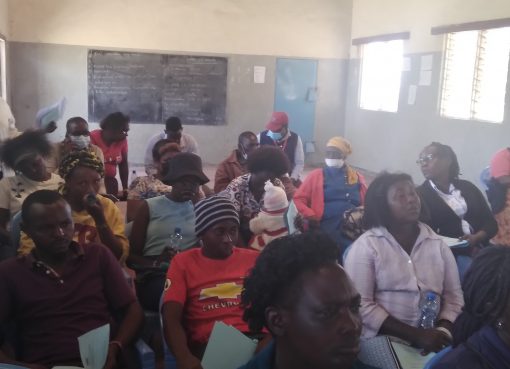
Speaking during the 6th Multidisciplinary Conference held at Rongo University, she said it was evident that many scholars do a lot of research that regrettably remains unutilised.
During the conference a number of scholars from various universities in Kenya presented their research papers, with Hunja saying more efforts must be put into ensuring research findings and recommendations are put into practice.
Dr Hunja, at the same time, said the ministry of Education was committed to funding research in the country, stressing, “The government allocates two per cent of the Gross Domestic Products (GDP) for research. Research is a priority for the government.”
Rongo University Vice Chancellor Prof. Samuel Gudu echoed similar sentiments, adding that the main purpose of research was to help in solving societal problems through innovation. He said the conference had helped in the exchange of ideas through innovation.
“By coming together through a conference of this nature, universities are able to promote research agendas through innovation. This helps to make a difference in society,” Professor Gudu said.
Prof. Gudu said research must go beyond theory and become a catalyst for practical solutions that are sustainable and impactful to society.
He added that the conference enhanced reflection on shared commitment to advancing knowledge, fostering innovation and addressing the complex contemporary challenges facing the society.
“This year’s conference theme, ‘Transformative Research and Innovation for an Inclusive and Sustainable Future’, speaks directly to the role of universities as a driver of meaningful change,” Prof. Gudu said.
He said innovation should empower communities, reduce inequalities, and create opportunities for all.
“This calls for collaborative, interdisciplinary approaches that bring together diverse expertise. Let us promote inclusivity by ensuring our research addresses the needs of all members of society,” he added.
The Conference Organising Committee Chairman Dr John Ambuchi expressed optimism that the knowledge shared during the conference will help address problems affecting local communities.
“Most of the presentations are research topics from this area. I am certain that the research will solve the local challenges,” Dr Ambuchi said.
By Davis Langat