The Bomet County government has intensified its efforts to restore the degraded Chepalungu Forest in a major stride towards environmental conservation.
Governor Prof. Hillary Barchok noted that the initiative targeting to plant over 100,000 indigenous and exotic tree seedlings at the Chepalungu forest during the 2026 tree-growing season was a concerted effort by his administration, national government agencies and stakeholders.
The initiative aims to rehabilitate the Chepalungu Forest ecosystem, which has suffered severe degradation following extensive human destruction since 2007.
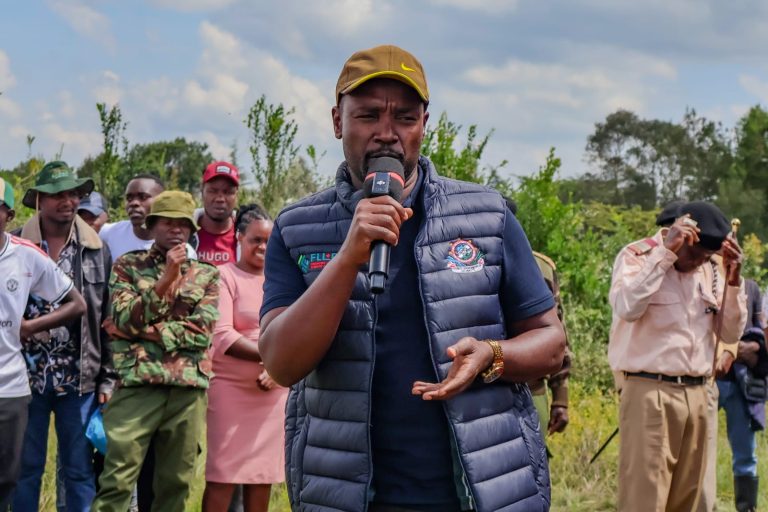
Speaking during the tree-planting exercise within the Siongiroi block of the forest, Barchok emphasized that the long-term survival of the forest relies heavily on the members of the surrounding community.
He appealed to residents neighbouring the expansive Chepalungu forest to strongly own, secure and protect it from further encroachment and destruction.
The governor reaffirmed the County Government’s commitment to environmental conservation, noting that the restoration of Chepalungu Forest is a flagship project in an ambitious strategy to enhance overall Bomet county tree cover to over 30 percent.
He requested members of the public to embrace the culture of tree growing and natural forest conservation for posterity.
Gracing the occasion, Head of Public Service, Felix Koskei, noted that revitalizing Chepalungu Forest is critical not just for increasing canopy cover, but for restoring biodiversity by bringing back indigenous flora and fauna in the region.
Koskei also observed that restoration of the natural ecosystem at Chepalungu would go a long way in enhancing ecological resilience against the harsh impacts of climate change and securing water conservation; adding the forest serves as a crucial catchment area for local rivers and streams within the wider South Rift area, which includes the Maasai Mara.
The ongoing tree-growing exercise is part of a sustained government campaign.
Since the adoption of the accelerated tree-growing initiative in 2024, over 600,000 tree seedlings have been planted in Chepalungu Forest alone.
The current 2026 tree-growing season is set to build heavily on this foundation, seeking to plant over 100,000 additional seedlings to seal the remaining deforested spots.
By Erick Ongeri