Western Kenya is experiencing a worrying upsurge in cancer cases, with a private health facility in Kakamega town seeing up to 150 cases every month.
The St. Gallen Oncology Network Health facility situated in Kakamega town records up to 50 new diagnosis cases every month, while 100 of these are repeat patients receiving ongoing treatment.
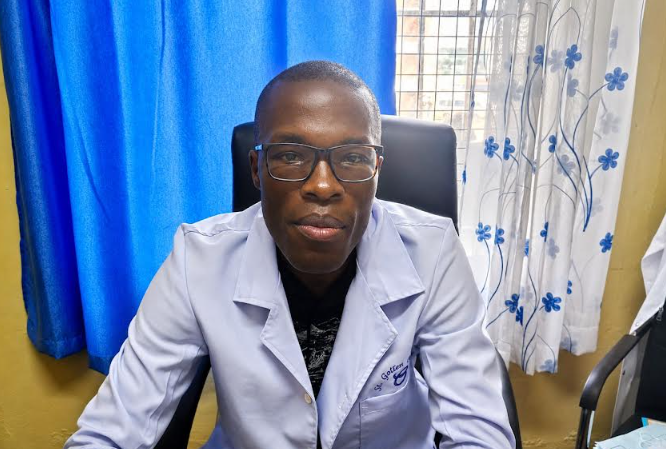
Clinical Oncologist at St Gallen, Dr. Calvins Omondi, reveals that the private health institution treats cancer patients from all over western Kenya and neighboring regions, offering chemotherapy and hormonal treatment.
The institution is now playing a significant role in facilitating access to specialized cancer care services in Kakamega County.
This trend mirrors a broader national surge where over 48,000 new diagnoses are recorded annually.
This rise is heavily attributed to late-stage presentation, lifestyle habits, and specific regional environmental risk factors.
Dr. Omondi said the most prevalent cancers diagnosed in men are esophageal, prostate, and stomach cancer.
Breast cancer, cervical cancer, and esophageal cancer are the most common cancers among women.
The trends are similar to national cancer statistics, where breast and cervical cancer rank among the top causes of cancer morbidity and mortality in Kenyan women.
The oncologist explained that there is no one definitive cause of cancer.
“Several risk factors are associated with the disease, including family history, tobacco use, repeated X-rays, and other lifestyle factors,” he added.
The medic affirmed that awareness of these risks can enable people to take preventive measures and seek medical attention early.
Dr. Omondi noted that although significant strides have been made in delivering cancer services, radiotherapy facilities in Western Kenya remain a significant challenge.
“The main radiotherapy center in the region is Moi Teaching and Referral Hospital in Eldoret, and patients are referred there for radiotherapy treatment. Patients often wait one to two months to get appointments owing to the high demand for services,” he added.
The oncologist regretted that radiotherapy referral delays can have a significant impact on treatment outcomes, and this is most likely to be an issue where patients have a more aggressive form of cancer that requires urgent action.
Dr. Omondi emphasized the need for cancer screening and early detection.
He recommended that adults aged 35 years and older, and those with a family history of cancer, get screened every year.
“One of the most effective methods of saving lives from cancer is through early detection,” he added.
He also advised residents to seek medical evaluation if they have any persistent symptoms or recurrent illnesses.
“Regular screening leads to early detection of abnormal cell changes before they develop into serious cancer, increasing the likelihood of successful treatment and recovery,” the oncologist said.
The medic observed that one of the success stories of the facility has been the provision of cancer treatment services closer to western Kenya, cutting travel costs and easing the burden of traveling long distances to access care.
The institution has also enhanced access to essential cancer drugs in the region.
“With cancer cases on the rise, there is a need to create more awareness about the disease among Kenyans, establish regular screening initiatives, invest in proper treatment facilities, and improve government support to reduce the cancer burden in Kenya,” he added.
The surging cancer burden in Western Kenya has left the regional oncology facilities critically overstretched, forcing many patients to wait for long periods, make extensive travels, or abandon treatment altogether.
With only about 50 oncologists nationwide to serve a population of over 58 million Kenyans, limited radiotherapy machines, prolonged waiting times, and services like PET scans and MRIs, it is extremely overwhelming.
Currently, the Social Health Authority (SHA) is providing an oncology benefits package of up to Sh800,000, though families still spend up to more than Sh3.8 million annually on complete care.
By Godfrey Wang’anya and AnnLinda Simiyu