Political leaders, school managers, teachers, parents and communities have been urged to strengthen collaboration to improve education standards and ensure learners are equipped with the knowledge and skills required to thrive in a rapidly changing world.
Education stakeholders say while government policies provide the framework for learning, sustained partnerships among leaders, schools and communities are essential for translating policy into improved infrastructure, better learning environments and stronger academic performance.
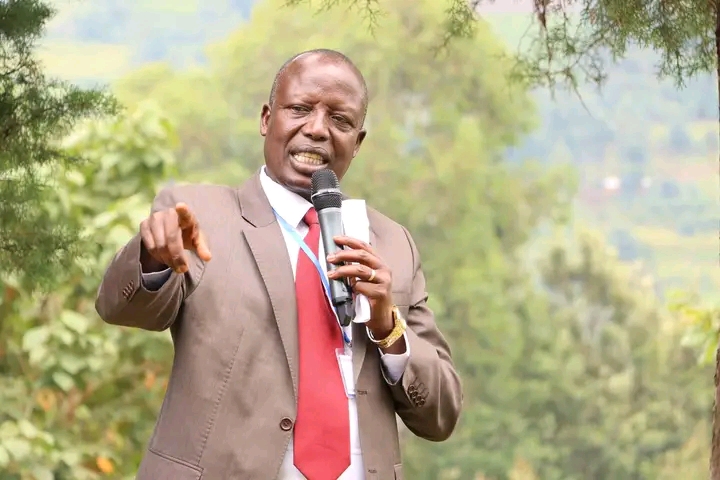
In Tinderet Sub-County, Nandi County, this collaborative approach is gaining momentum through regular engagements between area Member of Parliament Julius Melly and managers of learning institutions.
Over the past few weeks, the legislator has visited Fr. Boyle Kabalebo Senior School, Tinderet Technical and Vocational Training College (TVTC) at Sigoria and Chemamul Senior School, where discussions focused on infrastructure development, quality education and the implementation of the Competency-Based Education (CBE) programme.
Education experts say such engagements demonstrate the importance of leaders working closely with schools to identify development priorities, mobilise resources and monitor ongoing projects.
They note that schools benefit when leaders move beyond ceremonial visits and instead engage administrators on practical solutions to challenges affecting teaching and learning.
The interactions also promote accountability in the utilisation of public resources while assuring communities that education remains central to national development.
During his visit to Fr. Boyle Kabalebo Senior School, Melly inspected infrastructure projects funded through the National Government Constituencies Development Fund (NG-CDF).
He said the government and local leaders must continue investing in quality learning facilities to create an environment where students can excel academically.
“Our commitment is to ensure that every learner studies in a conducive environment. Education is the greatest equaliser, and we shall continue investing in classrooms, laboratories and other facilities through the NG-CDF so that our children can compete with the best anywhere in the country,” he said.
The legislator urged parents to remain actively involved in the education of their children by supporting teachers in nurturing discipline, monitoring academic progress and encouraging regular school attendance.
He also challenged school managers and boards of management to ensure prudent utilisation of public funds so that every development project delivers value to learners.
Education stakeholders observed that government funding alone cannot meet all the needs of schools and that partnerships involving communities, leaders and development partners are necessary to bridge existing gaps.
The same message featured prominently during Melly’s visit to Tinderet Technical and Vocational Training College at Sigoria, where he inspected a newly completed one-storey tuition block ahead of the commissioning of a modern Electrical and Electronics Engineering workshop.
The institution is among the technical training centres expected to play a key role in equipping young people with practical skills aligned to the needs of industry and the labour market.
Addressing tutors, administrators and students, Melly encouraged young people to embrace Technical and Vocational Education and Training (TVET), saying Kenya’s economic transformation depends on a skilled workforce capable of supporting industrial growth and innovation.
“Our young people require employable skills that respond to the changing labour market. Strengthening our technical institutions will empower graduates to create jobs, support industries and contribute meaningfully to the country’s economic growth,” he said.
The MP pledged continued support for expanding infrastructure at the institution to enable more students from Tinderet and neighbouring areas to access affordable, quality technical education.
Education experts say collaboration between political leaders and TVET institutions has the potential to improve access to modern workshops, specialised equipment and student support programmes, thereby producing graduates with competitive skills.
Melly later visited Chemamul Senior School, where discussions centred on preparations for the implementation of the Competency-Based Education programme at the senior school level.
Stakeholders noted that the transition to senior school under the new curriculum has created additional demands for classrooms, science laboratories, workshops, learning materials and qualified teaching staff.
Addressing members of the school management and Board of Management, the legislator said successful implementation of the education reforms would depend on sustained cooperation among all stakeholders.
“The Competency-Based Education programme calls for adequate infrastructure, teaching resources and close collaboration among all stakeholders. We cannot leave schools to shoulder this responsibility alone. Leaders, teachers, parents and communities must work together to ensure our learners receive quality education,” he said.
He reaffirmed his commitment to supporting the construction of additional facilities required to accommodate the growing number of learners joining senior schools under the CBE system.
Teachers welcomed the engagements, saying they provide an opportunity to present institutional priorities directly to policymakers and seek timely interventions before challenges affect learning outcomes.
Education analysts observed that communities where leaders maintain close working relationships with schools often record faster implementation of development projects, stronger accountability and increased public confidence in the education sector.
Parents were also reminded that their responsibility extends beyond paying school fees to supporting discipline, participating in school development initiatives and maintaining close communication with teachers.
Stakeholders said the combined efforts of committed teachers, supportive parents, responsive leaders and active communities create an environment in which learners can realise their full potential.
The experiences at Fr. Boyle Kabalebo Senior School, Tinderet TVTC and Chemamul Senior School illustrate that improving education standards is a shared responsibility requiring sustained partnerships among government, political leaders, school managers, parents, development partners and local communities.
By Sammy Mwibanda