The Government is working with partners in efforts to eliminate avoidable blindness and integrate eye health into the country’s Universal Health Coverage (UHC) agenda and strengthen Primary Health Care across the country.
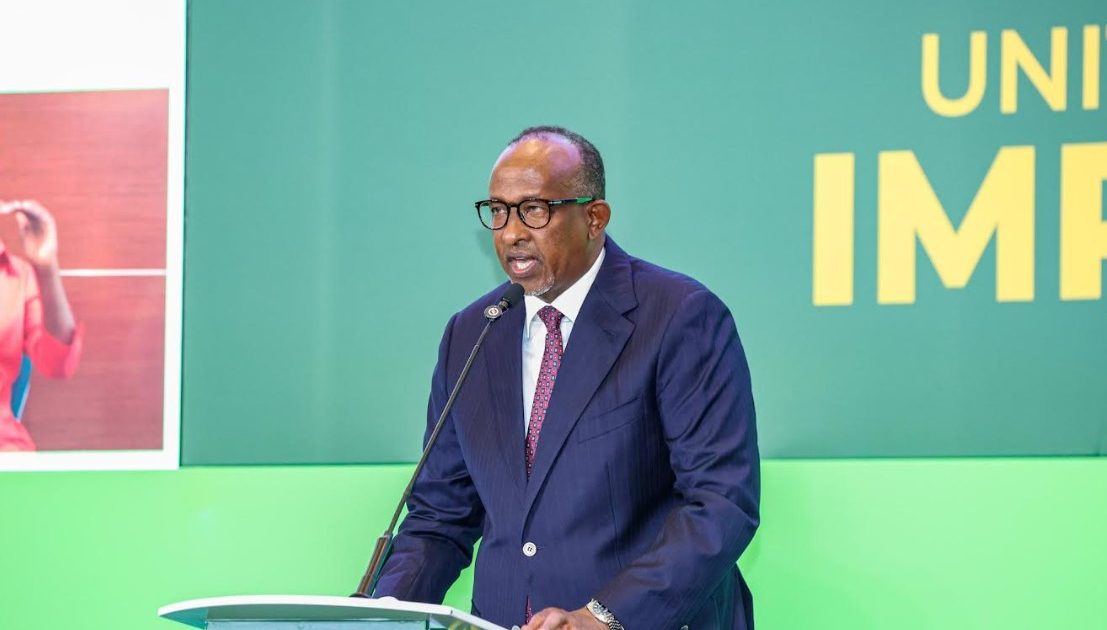
Speaking on Friday during the 2030 IN SIGHT LIVE International Conference in Nairobi, Health Cabinet Secretary (CS), Aden Duale, said avoidable blindness remains a major public health, development, and social equity challenge that continues to affect education, productivity, livelihoods, and quality of life.
He noted that more than 2.2 billion people globally live with blindness or visual impairment, with at least one billion cases being preventable or treatable.
The Cabinet Secretary said Kenya has made significant progress in expanding access to eye care services, with services now available in all 47 counties and increasing integration of eye health into the broader health system.
He noted that vision is central to learning, economic participation, dignity, and human capital development, making eye health a critical component of the country’s health and development agenda.
Duale highlighted ongoing investments in interoperable digital health systems aimed at strengthening service delivery, improving continuity of care, and supporting real-time evidence-based decision-making.
He said eye health is being deliberately integrated into digital platforms to support screening, referrals, patient tracking, reporting, and continuity of care across all levels of the health system.
The CS further noted that the Social Health Authority (SHA), which has registered more than 30 million Kenyans, is expanding financial protection by covering preventive, diagnostic, medical, and surgical eye care services, including treatment for cataracts and refractive errors, the leading causes of blindness and visual impairment.
He emphasised that no Kenyan should lose their sight because they cannot afford care.
Duale cited the Facility Improvement Financing (FIF) framework as a key reform supporting the sustainability of health services by enabling facilities to retain and reinvest locally generated resources into infrastructure development, equipment maintenance, and service improvement.
While acknowledging progress in expanding eye care services, the Cabinet Secretary noted that significant disparities remain in arid, semi-arid, remote, and underserved areas.
He said the Government is pursuing innovative service delivery models, digital health solutions, outreach programmes, and targeted investments to ensure equitable access to eye care for all Kenyans.
The CS emphasised that strengthening the eye health workforce remains a priority, noting that the Government is working with counties, training institutions, professional associations, and development partners to improve recruitment, deployment, retention, and continuous professional development of eye health professionals.
He further underscored the importance of integrating eye health into Primary Health Care and community health systems, noting that Community Health Promoters will play a critical role in early identification of eye conditions, referrals, and community awareness.
Duale called on devolved administrations, development partners, professional associations, academia, and the private sector to strengthen collaboration and move from commitment to action in addressing avoidable blindness.
He re-affirmed that eye health is not only a health issue but also an education, productivity, development, and equity issue, stressing that eliminating avoidable blindness is essential to ensuring that every Kenyan has the opportunity to learn, work, and live with dignity.
By Joseph Ng’ang’a