The Global Alliance for Improved Nutrition (GAIN) Kenya has called for increased investment and coordinated action to strengthen food safety systems across the country.
The organization has warned that that policy commitments alone are insufficient to guarantee safe food for consumers.
In a press release even as the world commemorated World Food Safety Day 2026 yesterday, the organization emphasized the need for practical implementation, surveillance, investment, and community participation to address emerging food safety challenges.
GAIN, through the CASCADE project (Catalyzing Strengthened policy action for healthy Diets and resilience), a 5-year initiative running from 2022 to 2026, aimed at improving food security and reducing malnutrition for women and children under five, has been working with national and county governments, private sector actors, and communities to improve food safety and nutrition systems.
The initiative has strengthened county governance structures, enhanced surveillance systems, built the capacity of food safety stakeholders, and promoted accountability mechanisms.
GAIN Kenya’s CASCADE Project Manager, Sheila Odhiambo, said food safety can only be achieved when systems function effectively and evidence is used to guide action.
She said the project supports practical solutions including surveillance, capacity building, market strengthening, and consumer awareness to promote safer food systems.
“The rapidly evolving food systems, growing urban populations, increased reliance on informal markets, and risks associated with food handling, storage, pesticide use, and distribution require stronger food safety interventions,” she emphasized.
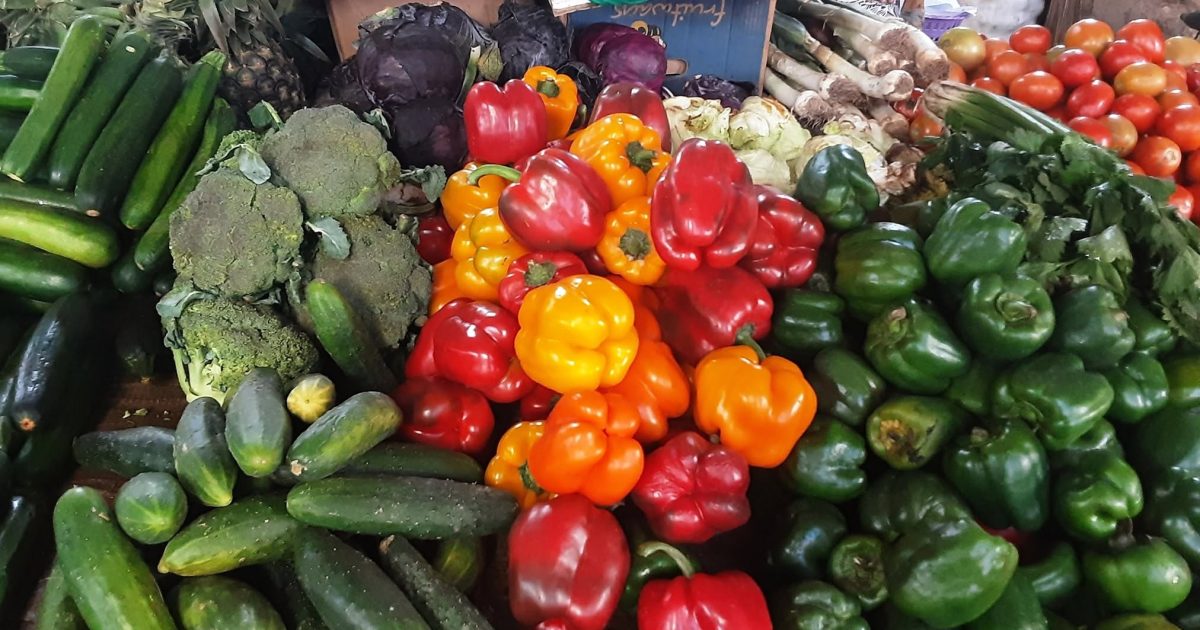
The organization has expanded food safety surveillance under the Vegetables for All project by monitoring pesticide residue levels in vegetables consumed across the country.
Recent surveillance involving 140 vegetable samples collected from five counties revealed that while most met acceptable safety standards, 46 samples exceeded internationally recognized Maximum Residue Limits (MRLs), highlighting gaps in pesticide application and compliance with food safety regulations.
According to GAIN, the findings underscored the need for continuous monitoring, improved traceability systems, farmer training, and stronger enforcement mechanisms to reduce food safety risks.
Odhiambo explained that GAIN is also working with traders, vendors, and market actors to improve hygiene standards and strengthen food safety compliance in informal markets.
The organization noted that private sector participation remains critical in promoting food safety through stronger compliance systems and shared responsibility among producers, processors, food businesses, and service providers.
In addition, GAIN continues to support food fortification initiatives and county-level implementation systems aimed at improving both food safety and nutrition outcomes.
Odhiambo said investing in food safety contributes to healthier populations, stronger markets, increased consumer confidence, and greater economic resilience.
GAIN has urged governments, development partners, and private sector stakeholders to increase investment in food safety surveillance, monitoring infrastructure, market systems, and cross-sector coordination to ensure safe food is accessible to all.
World Food Safety Day occurs annually on June 7. The global observance emphasizes the critical need to prevent, detect, and manage foodborne risks. Unsafe food causes millions of illnesses and hundreds of thousands of preventable deaths globally every year.
The 2026 theme campaign ran under “From burden to solutions—safe food everywhere.” Highlighting how surveillance data, health records, and scientific evidence can be transformed into cost-effective solutions to reduce foodborne illnesses.
By Wangari Ndirangu