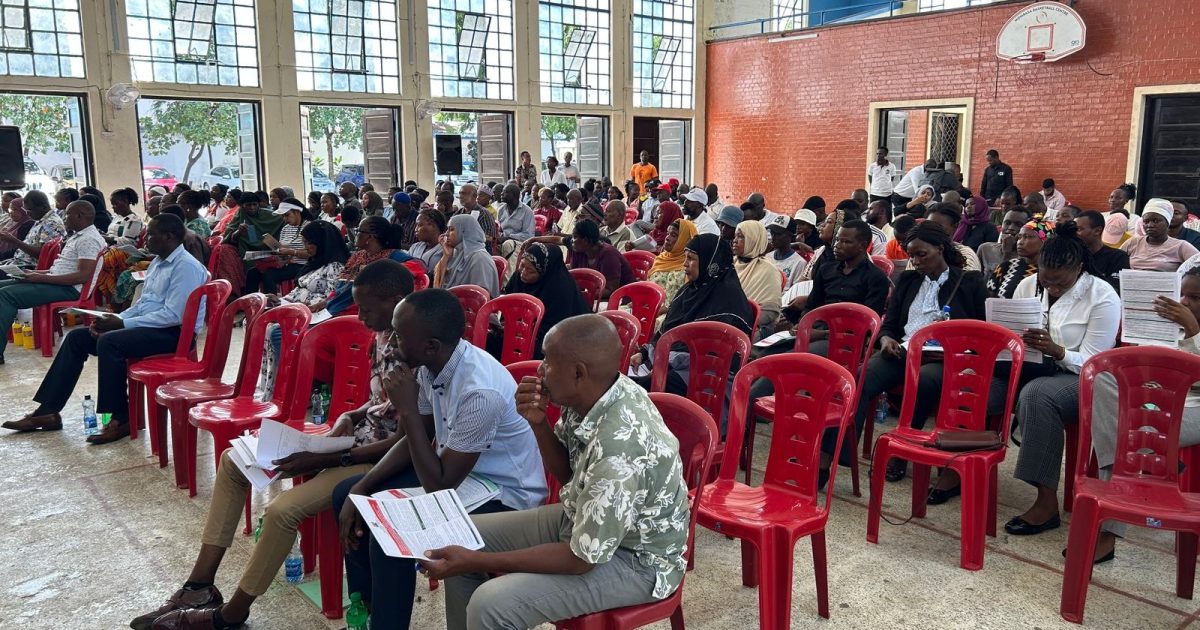
Kenyans earning Sh30,000 and below could soon be exempted from income tax, as the National Assembly Committee on Finance and National Planning moves to propose sweeping amendments to the Finance Bill 2026 following a public participation exercise.
The committee collected views on the Finance Bill, the Central Bank of Kenya (Amendment) Bill 2026, the Kenya Revenue Authority (Amendment) Bill 2026, and the Sovereign Wealth Fund (Amendment) Bill 2026.
Committee Chairperson Kimani Francis Kuria, also the Member of Parliament for Molo Constituency in Nakuru County, announced in Mombasa at the conclusion of the nationwide exercise, which gathered public input on the four key financial bills currently before parliament.
“Public participation is not a futile exercise. Kenyans can hold us accountable, the views from citizens across the country will be incorporated in our report, and you will see them in the amendments,” Kuria said.
Citizens across all counties consistently called for the full exemption of workers earning thirty thousand shillings and below from Pay As You Earn (PAYE) deductions, a proposal the committee intends to carry forward into its formal recommendations to the House.
The proposed mobile phone activation tax equally drew sharp opposition. Kuria said Kenyans objected to an additional levy upon activating a new handset, insisting taxation should occur only at the point of purchase.
“Kenyans want to buy a phone at the shop, pay once, and leave. They do not want to be taxed again during activation,” he said.
On presidential foreign travel, Kuria justified the trips as commercially productive, citing a direct tea export agreement from the President’s visit to Iran and the scrapping of visa requirements for Kenyans travelling to South Africa.
Kuria also pledged to summon Kenya Ports Authority management over longstanding pension grievances once the budget process concludes.
“A worker’s pension is money deducted from their own salary. There is no justification for anyone to retire and find their money missing. We will investigate and find a solution for Mombasa port workers,” he said.
Hussein Hussein, a representative of the Changamwe Citizens’ Assembly, said an analysis of the finance bill revealed that several provisions differ significantly from the current Finance Act, with several items previously classified as zero-rated having been moved to exempt status.
He noted that Clauses 45 and 47 touch on sectors directly affecting low-income earners, including small-scale traders who depend on mobile money for daily transactions. The bill proposes a twenty per cent levy, translating to Sh4.60 cents per transaction on platforms such as M-Pesa, which ordinary Kenyans use to pay rent, school fees, food, and transport.
“The cumulative effect of these deductions on low-income earners would be substantial,” Hussein said, adding that the assembly had formally submitted its concerns to the officials present at the forum.
On processed food, Hussein noted that Clause 45 of the current Finance Act carries a 16 per cent Value Added Tax (VAT), while the proposed bill introduces an additional 20 per cent levy alongside the existing VAT, a combination that could raise the cost of processed food for consumers.
George Ombala, Organising Secretary of the Changamwe Citizens’ Assembly, also urged the committee to review taxation on mobile phones, land, and food items used by low-income households.
“When they go to read that finance bill on the 18th, they must ensure they have considered the proposals of the ordinary citizen, and that their interests are put first,” Ombala said.
by Ramadhan Nassib and Mary Mtawa