Persons with Disabilities (PWDs) in Kakamega County have called on the County Government to establish a dedicated budget line for disability services and include them in procurement processes for assistive technology equipment.
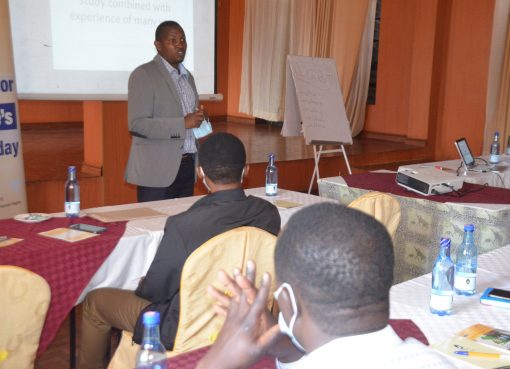
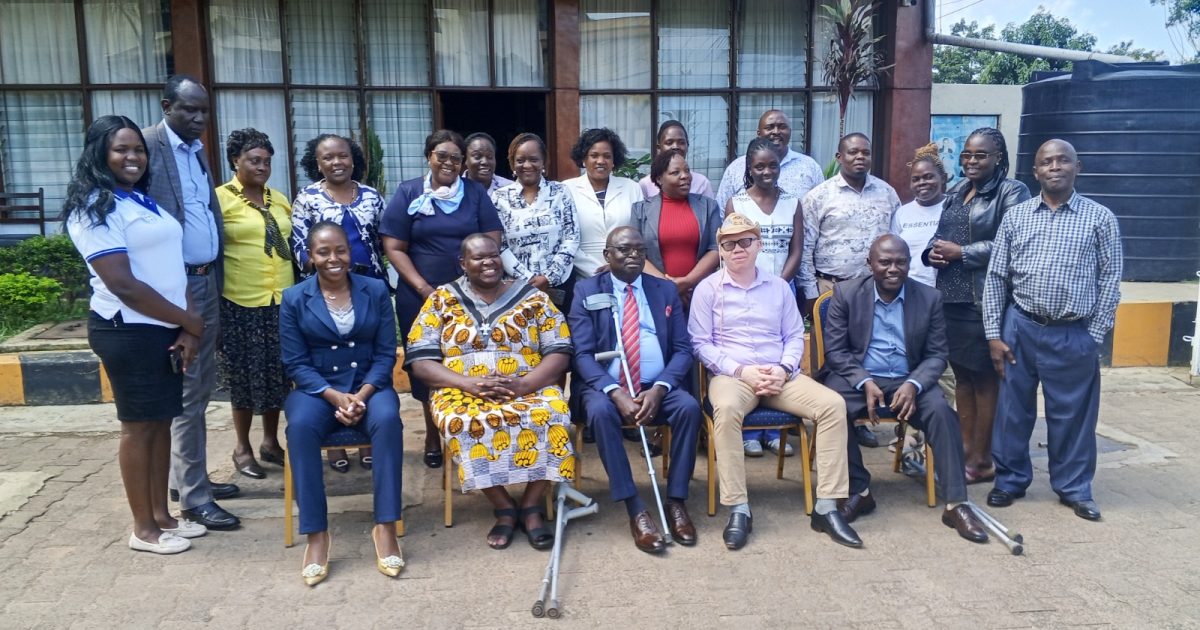
The calls were made during a stakeholders’ meeting on Assistive Technology (AT) held at a Kakamega hotel bringing together representatives from disability organizations, county government officials, Members of the County Assembly, health professionals, development partners and rehabilitation officers.
The meeting, chaired by Chairperson of the Kakamega County Disability Caucus, Lucy Mulombi, focused on strengthening county-level implementation of assistive technology programmes and localizing national AT commitments under the International Disability Alliance and the Assistive Technology Scale Initiative.
Participants acknowledged the efforts of the administration of Governor Fernandez Barasa, noting that the county government had committed approximately Sh6 million in grants for persons with disabilities, a programme expected to benefit disability groups across all twelve sub-counties.
Despite the recognition, leaders stressed that more needed to be done to mainstream disability inclusion across all county departments rather than confining it to a single office.
“We appreciate the goodwill demonstrated by Governor Barasa and the county administration. However, disability issues should not remain confined to one department. We want to see disability mainstreamed across all government ministries, with persons with disabilities adequately represented in decision-making structures,” some participants stated.
The Stakeholders raised concern about the complete absence of a dedicated budget line for disability services at the county level.
Member of the County Assembly for Ingotse-Matiha Ward Absolom Andati stressed that disability had no budget at the county level, a situation that severely constrained service delivery to the disability community.
“We are all candidates of disability since we know where we are but not aware of the future. It is therefore very important to facilitate and fund the organization heavily,” said Andati.
According to a census conducted by the county, there are approximately 18,600 persons with disabilities in Kakamega County, against a total of 531 assistive devices distributed, a figure participants described as insufficient given the scale of need.
The Deputy chair of the Disability Caucus Abel Ouma said devices distributed so far are only a drop in the ocean compared to the actual need.
“We require additional partners and resources to ensure more people receive the assistive devices they require. The PWD’s want to be included in the process of procurement to ensure the right devices are purchased,” he said.
He complained that more often low quality and substandard devices were being purchased due to failure to include them as key stakeholders while planning.
Ouma also called for the development of a comprehensive disability database system to capture information on persons with disabilities, assistive technology needs, service providers and available support programmes across the county in order to improve planning, accountability, procurement and equitable distribution of resources.
Employment discrimination against persons with disabilities was also raised, with participants expressing frustration that qualified PWDs continue to be excluded from public service recruitment despite constitutional and legal provisions mandating inclusion.
Some participants noted that most PWDs lived on minimum wages or were completely unemployed, making it impossible for them to afford assistive devices independently, creating a cycle that further limited their ability to participate in the workforce.
On access to government tenders the participants said that PWD-owned enterprises were often limited to supplying stationery and other low-value items when procurement opportunities arose, with major contracts remaining out of reach.
“When opportunities arise, persons with disabilities are often limited to supplying stationery and other small items. We want to see meaningful participation in larger procurement opportunities and timely payment for services rendered,” one participant observed.
The meeting was informed of several national policy frameworks governing assistive technology in Kenya, including the National Rehabilitation Strategic Plan 2023-2026, the Kenya Assistive Technology Essential List and the Kenya Medical Supplies Authority Assistive Technology Procurement Catalogue, all of which provide reference frameworks for county-level planning and procurement.
by Godfrey Wang’anya