Farmers in Kirinyaga Central and Ndia constituencies have been challenged to embrace coffee farming and gradually move away from maize cultivation, which stakeholders say offers lower returns compared to coffee production.
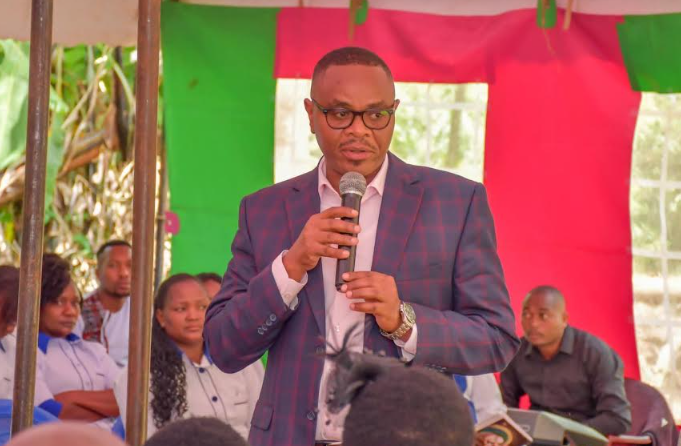
Speaking in Kaitheri Village, Kirinyaga Central Constituency, National Coffee Cooperative Union (NACCU) Chairman Felix Mwai said the two constituencies continue to record lower coffee production despite having the potential to compete with Gichugu Constituency, which remains the county’s leading coffee-producing region.
According to Mwai, who is also the Chairman of Inoi Coffee Cooperative Society, Kirinyaga Central and Ndia constituencies jointly produced about 16 million kilogrammes of coffee during the last season, compared to over 34 million kilogrammes produced by Gichugu Constituency alone.
“Kirinyaga Central and Ndia have great potential, but farmers need to invest more in coffee farming because the returns are far better than what they get from maize farming,” said Mwai.
He revealed that coffee farmers in Kirinyaga County earned approximately Sh 6.9 billion from coffee sales, with Gichugu farmers taking home more than Sh 5 billion. Farmers from Kirinyaga Central and Ndia shared about Sh. 2 billion.
Mwai attributed the impressive earnings to improved governance and management of cooperative societies, saying farmers are now receiving better prices for their produce.
“Due to good leadership and proper management of cooperative societies, farmers are now enjoying good returns from coffee, and that is why many are celebrating the current payouts,” he said.
He noted that coffee farmers are enjoying some of the highest cherry prices in recent years, with payouts ranging between Sh 120 and Sh 157 per kilogramme. The improved prices have significantly boosted household incomes and renewed confidence in the sector.
Highlighting Gichugu’s success, Mwai cited Baragwi Coffee Cooperative Society, which produced about 13 million kilogrammes of coffee and generated returns of approximately Sh 2.9 billion for its members.
He further challenged farmers, especially those in Ndia Constituency, to reconsider the viability of maize farming and utilize available land for coffee cultivation.
“A quarter-acre of land can only produce about four bags of maize, but the same land can accommodate more than 200 coffee bushes capable of earning a farmer over Sh 200,000 in one season,” he said.
Mwai assured farmers that there are sufficient coffee seedlings available in cooperative societies across the county for anyone willing to venture into coffee farming.
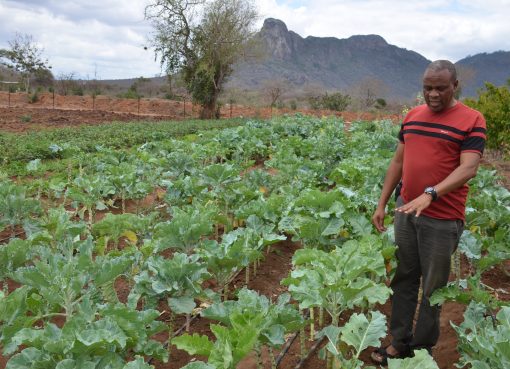
John Kariuki, a farmer from Ndia, said the area has immense potential to increase coffee production but requires more support from both the county and national governments.
He noted that farmers in Ndia are equally capable of matching the production levels recorded in the upper parts of Kirinyaga if they are provided with the necessary resources and support.
“Ndia has fertile soils and favorable climatic conditions for coffee farming. I have been growing coffee here for years and I believe that with proper support, we can perform just as well as farmers on the upper side of Kirinyaga,” said Kariuki.
The farmer said the region needs more cooperative societies to bring services closer to growers and help them access quality inputs, extension services, and better markets for their produce.
He added that the government’s subsidized fertilizer programme has played a crucial role in supporting coffee farming and reducing production costs.
“With the help of the available subsidized fertilizer, farmers in Ndia can increase production significantly. If the county and national governments continue supporting us through affordable farm inputs and extension services, coffee farming can transform the livelihoods of many families in this area,” he said.
Kariuki expressed optimism that with increased investment in coffee farming, improved farmer support programmes and stronger cooperative societies, Ndia and Kirinyaga Central could significantly increase their production and earnings in the coming years, further strengthening Kirinyaga County’s position as one of Kenya’s leading coffee-growing regions.
By David Wandeto