Kenya has secured the rights to host the fourth Responsible AI in the Military Domain (REAIM) Summit in 2027, marking a major milestone in the country’s growing influence in global technology diplomacy and international security discussions.
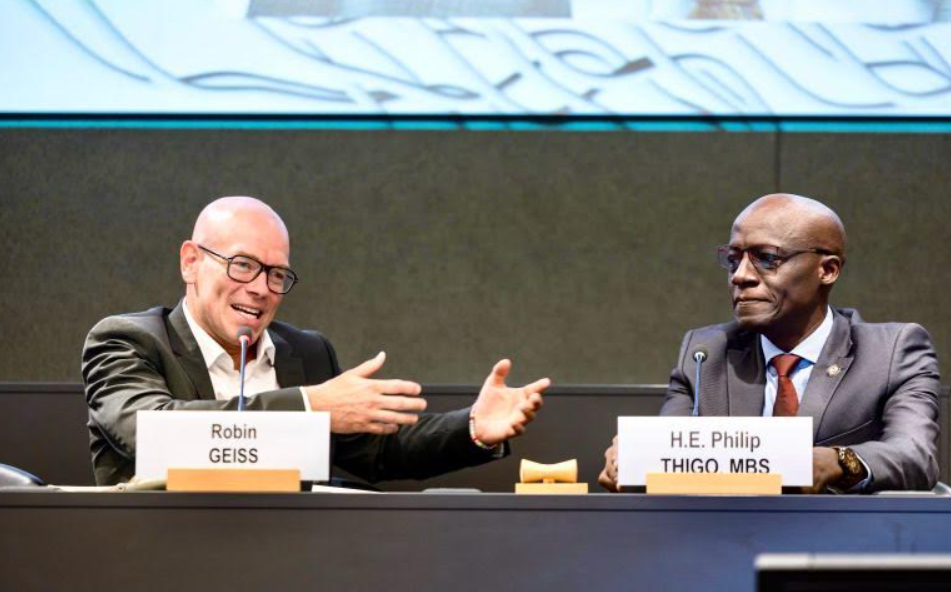
The announcement was made at the UN-affiliated AI, Security and Ethics Conference in Geneva by Kenya’s Special Envoy on Technology, Ambassador Philip Thigo, who represented Defence Cabinet Secretary Soipan Tuya.
Scheduled for April 2027 in Nairobi, the summit will make Kenya the first African country to host the prestigious global forum. Previous editions have been held in the Netherlands, South Korea and Spain.
The REAIM Summit is regarded as one of the world’s leading platforms for dialogue on the responsible use of artificial intelligence in military operations. It brings together governments, defence institutions, technology companies, researchers and international legal experts to discuss emerging technologies and develop policy frameworks for their responsible application.
Key topics expected to dominate the Nairobi summit include governance of autonomous weapons systems, machine learning in defence operations, algorithmic decision-making in warfare and international standards for responsible deployment of military AI technologies.
Kenya’s successful bid comes amid growing global debate over the rapid advancement of artificial intelligence in defence and security sectors. Discussions during the third REAIM Summit in A Coruña, Spain, highlighted the challenges of achieving international consensus, with only 40 of 85 participating countries endorsing the final “Pathways to Action” framework.
Observers note that increasing geopolitical competition and differing approaches among major military powers continue to complicate efforts to establish universally accepted rules governing military AI.
Kenya’s selection is expected to position Nairobi as a neutral platform where nations with differing strategic interests can engage constructively and strengthen cooperation on responsible AI governance.
Ambassador Thigo, who was recently recognized by Apolitical among global leaders in AI governance, said the 2027 summit would focus on translating discussions into practical action.
He noted that the agenda will prioritize regional capacity building, assessment of institutional preparedness within defence systems and development of public-private standards for responsible technology procurement.
A key objective of the summit will be ensuring that developing countries gain access to the expertise and tools required to audit military AI systems, protect digital sovereignty and prevent their territories from becoming testing grounds for foreign defence technologies.
Hosting REAIM 2027 is expected to strengthen Nairobi’s standing as a leading centre for technology policy, innovation and international diplomacy, while reinforcing Kenya’s role in shaping global conversations on the ethical and responsible use of artificial intelligence.
By Joseph Ng’ang’a