Mombasa Governor Abdulswamad Sharif Nassir has said traders at Majengo Market will receive sectional title to the new stalls to curb the resale of allocated stalls by traders to third parties.
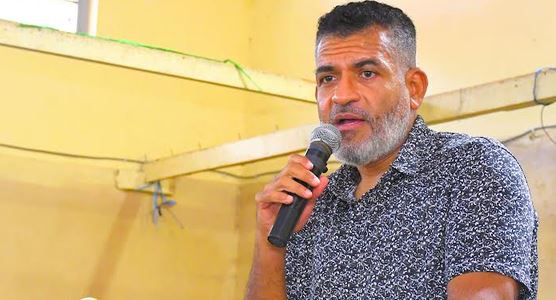
Speaking during a public participation forum at Majengo, Nassir said the sectional titles would give traders documented rights to their individual stalls while holding them accountable, since any future dispute over a stall would be traced back to the person who was originally allocated it.
“If you sell your stall, we will know it was you who sold it. There will be no room for blame game later,” Nassir said.
He said priority would go to residents of Majengo but that the county would also see to it that traders from other parts of Mombasa would also benefit from the new market.
The remarks come as the Makupa/Majengo market, popularly known as Majengo market, undergoes redevelopment into a modern trading facility.
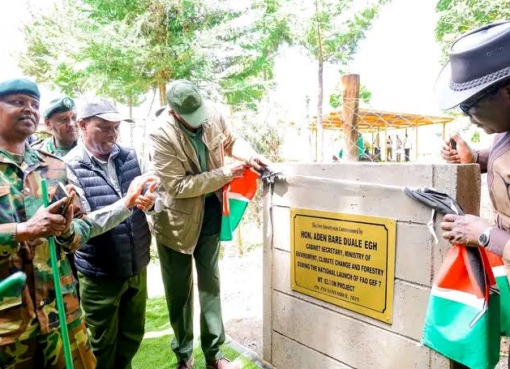
President William Ruto laid a foundation stone for the Makupa Mixed Use Development Market in Mvita Constituency during a visit to Mombasa on May 25, 2026, as part of a five-day Coast development tour.
The project, combining a modern market with affordable housing, is estimated to cost Sh600 million, and construction is expected to be completed in under 12 months, meaning the new market should be ready around mid-2027.
Traders currently at the market have been relocated to a temporary open-air site along Majengo Road for the duration of construction, with priority for the new stalls promised to those who previously operated in or around the old market.
The Governor reaffirmed this commitment by the President on redeveloping the area, saying the market and Majengo Dispensary need to expand together, since most patients at the facility are drawn from among market traders and their customers.
“As the market grows, it needs a bigger hospital, and it needs more parking too,” Nassir said.
He proposed redeveloping the market and dispensary into a multi-story building with dedicated parking, instead of constructing a hall.
On the sewerage crisis, Nassir said the problem in Majengo predates his administration, tracing it back through “many governments,” and blamed it on residents connecting household waste directly into storm water drains originally built to carry rain water into the ocean.
“These houses are ours. This problem did not start with the devolved government, or the one before it, or the one before that,” Nassir said.
He said the resulting contamination has damaged the drainage system over time, worsening flooding whenever it rains heavily, and acknowledged the county had inherited the problem.
To curb corruption in sanitation approvals, Nassir said the county was rolling out a technology-based inspection system requiring officers to physically verify sites before issuing approvals.
“The system we have put in place means the inspector must reach the site. If he does not reach the site, the machine will not work,” he said.
By Joan Kinuthia