The Kenya Agricultural and Livestock Research Organisation (KALRO) has announced a move to establish new Agri-Parks that will consolidate all research and new technologies for farmers’ access.
The move will see already-developed technologies and updated research on livestock breeds, seed varieties, animal feeds and drought-resistant crops brought under one roof, where farmers for easy access by farmers.
KALRO has 53 research centres across the country, each specializing in various forms of livestock and crop research, but has lacked a consolidated centre hosting all the technologies.
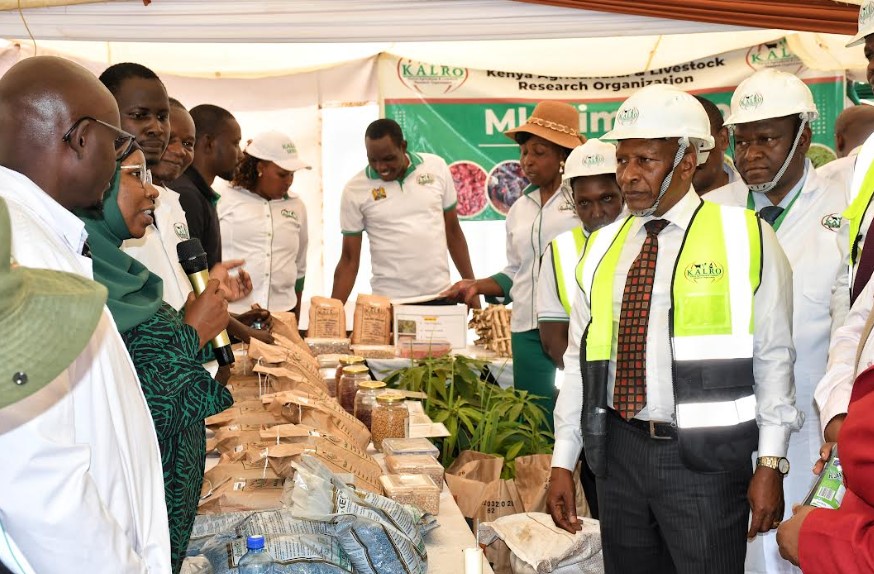
To address this gap, KALRO has been conducting free farmers’ exhibitions across its centres to raise awareness of newly developed varieties and encourage their adoption.
According to KALRO board chairman Dr Thuo Mathenge, the agri-Parks will bring research conducted by the organization over the years closer to farmers and end users.
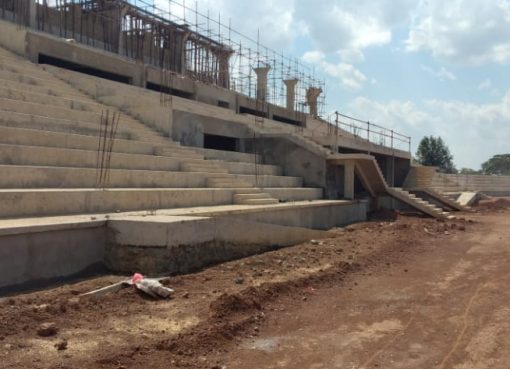
Speaking during the groundbreaking of the Agri-park at the Naivasha-based research centre, Dr Mathenge said accelerated adoption of these technologies by farmers would boost local production and cut high import costs.
“The Agri-Parks that we have established will consolidate all KALRO’s past research and developed technologies under one roof for easy access by farmers, scaling their use to boost production and mitigate against emerging crop diseases,” said Dr Mathenge.
This comes at a time when parts of the country are already feeling the full effects of drought, while fall armyworms have left a trail of destruction in maize-growing regions.
The chairman said KALRO had already developed crop and seed varieties capable of withstanding the devastating effects of fall armyworms, but that farmers lacked awareness of them.
According to the organization, food baskets across the country have recorded crop failure occasioned by climate change shocks and failed rainfall patterns.
KALRO Director-General Dr Patrick Ketiem said the parks would help scale up farmers’ adoption of newly developed technologies in crops, livestock and animal feeds to enhance production.
He said the organization was working closely with farmers on capacity building, the introduction of new drought-resistant crops, and encouraging the adoption of irrigation.
“We are finding that despite the technology, the issue of climate change is becoming very serious, and across the country maize has performed poorly due to depressed rainfall,” he said.
The Director-General said plans were under way to open more Agri-Parks in Thika, Kipkelion and Nyeri as part of efforts to bring KALRO’s services and products closer to farmers.
“The research Agri-Park is designed to bring researchers, farmers and other partners into one space, and to scale up some of the technologies and innovations we have developed over time,” he said.
Naivasha Deputy County Commissioner Josiah Odongo identified land grabbing as one of the major challenges facing KALRO, adding that the government had embarked on a process of reclaiming the vast land.
Odongo noted that most parts of the sub-county have recorded crop failure which posed a threat to food security, adding that farmers’ access to KALRO’s new research and technologies would address these challenges.
The Naivasha based research centre continues to champion quality livestock breeds like the Sahiwal breeds suitable for drought stricken ASAL regions, highly productive pigs breeds, goats and kienyenji chicken to boost farmers earnings.
In addition, the centre has scaled up its fodder production capacity on its swaths of land that were highly nutritional and protein rich and were offered to farmers at affordable prices to enhance production.
By Erastus Gichohi/Orpah Gesare