By W, KNA
The Kenya Bureau of Standards (KEBS) has reaffirmed Africa’s commitment to advancing innovation, industrialization, and sustainable growth through strong quality infrastructure and international standards.
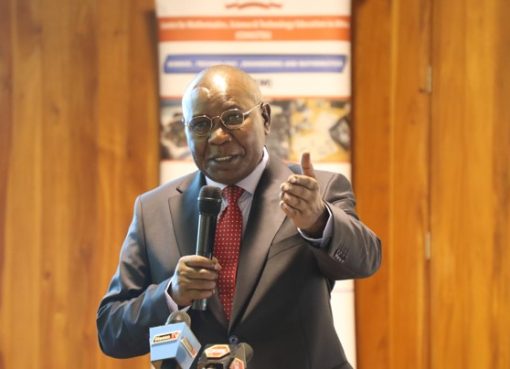
Speaking during the 10th anniversary celebrations of the International Electro Technical Commission (IEC) Africa Regional Centre (AFRC) at the Kenyatta International Convention Centre (KICC) in Nairobi, KEBS Managing Director (MD) Esther Ngari noted the event marked a significant milestone in Africa’s journey towards strengthening its presence in the global electrotechnical community.
“On behalf of the Kenya Bureau of Standards and the Government of Kenya, it is my great honour and privilege to welcome you to Nairobi for this historic celebration,” expressed Ngari.
She disclosed that the establishment of the IEC Africa Regional Centre in 2015 was a decisive and visionary step, a commitment aimed at strengthening Africa’s voice and ensuring the bureau’s active participation within the global electro technical community.
Further, the MD pointed out that the Centre had, over the past decade, evolved into a hub of collaboration, innovation, and technical capacity, highlighting that it has been a vital engine for capacity building, a catalyst for collaboration, and a crucial bridge connecting African institutions with the broader IEC family.
The anniversary was celebrated alongside the inaugural Africa Electro Technical Quality Infrastructure Week, which brought together government officials, policymakers, engineers, industry leaders, and experts from across Africa and the world.
Ngari said the occasion was both a moment of pride and a call to action. “As our theme reminds us, we are here to ‘Innovate for a Sustainable Future’. This is not just a reflection; it is a call to deepen our collective commitment to building a robust quality infrastructure that underpins Africa’s industrialization, competitiveness, and integration into global value chains,” she emphasized.
Similarly, the MD observed that Africa stands at a critical turning point in its development, saying, “We are at the forefront of the clean energy transition, embracing digital technologies that redefine industries, and strengthening resilient supply chains for a rapidly evolving world”.
According to Ngari, international standards and conformity assessment systems play a vital role in enabling growth and trust in global markets.
She maintained that for Africa, these tools are vital in unlocking the full promise of the African Continental Free Trade Area by enabling goods, services, and ideas to move across borders with confidence and credibility while supporting the Bureau’s mission to extend universal electricity access to millions who remain underserved.
Ngari further established that the collaboration among the IEC, AFSEC, PAQI institutions, national standards bodies, policymakers, and academia will remain central to shaping Africa’s sustainable and inclusive growth.
“This event is a forward-looking dialogue on Africa’s future. Over the next three days, this conference will serve as a platform for strategic engagement, knowledge exchange, and partnership building. We are here to chart the course for the next decade of Africa’s electrotechnical journey,” she remarked.
Also speaking at the event, IEC President Jo Cops commended the strides made since the Centre’s establishment, noting that Africa’s participation in international standardization and conformity assessment had grown stronger.
“When we established this centre in 2015, we took an important step in expanding IEC’s presence across the African continent. Over the past decade, this centre has strengthened Africa’s participation in international standardization and conformity assessment, building capacity, fostering engagement, and delivering real results,” stated Cops.
Additionally, he expressed gratitude to the Government of Kenya and KEBS for their partnership and continued support, saying the regional centre had become a cornerstone of Africa’s engagement with international standards.
Importantly, Cops highlighted tangible progress achieved over the decade, including 18 African countries attaining Affiliate Plus status and several others voluntarily adopting IEC conformity assessment systems.
“When African countries participate in these systems, they reduce costly duplicate testing, speed up market access, protect consumers from substandard goods, and build confidence among trading partners,” Cops explained.
He added that partnerships between IEC and regional bodies such as AFSEC, ECOWAS, and the East African Community had enhanced harmonization and strengthened quality infrastructure across Africa.
“These partnerships have created stronger alignment and cooperation to support safer, more efficient, and more sustainable development,” he affirmed.
At the same time, Cops predicted that the next decade would require deeper African engagement in shaping the standards that will govern emerging technologies stressing, “For ten years, we have focused on bringing IEC to Africa. Now it’s time to bring Africa to the IEC.
The IEC President urged African experts and policymakers to play a more active role in developing standards rather than only adopting them.
He indicated that standardization and conformity assessments are strategic tools that shape trade policies, drive industrial development, and determine technological sovereignty.
“We need African countries to co-create standards, not just adopt them,” demanded Cops.
He further emphasized that the participation of ministers, permanent secretaries, and heads of regulatory bodies was essential to ensure that standardization aligns with national development goals.
“Your involvement guarantees that standards support national strategies, regional integration, and innovation-driven growth,” he added.
Reaffirming the IEC’s commitment to Africa’s development, Cops said: “Our regional centre in Africa demonstrates our belief in Africa’s potential not as a recipient of standards, but as a full partner in development”.
During the same event, delegates reflected on the progress made in strengthening Africa’s electro technical capacity and discussed future strategies to expand cooperation, improve infrastructure, and enhance technical competence across the continent.