A study by the National Council of Churches of Kenya (NCCK) has found that 91 per cent of Kenyans believe candidates cannot win elections without giving money or gifts to voters.
The findings underscored the growing concerns over the influence of money in the country’s electoral process.
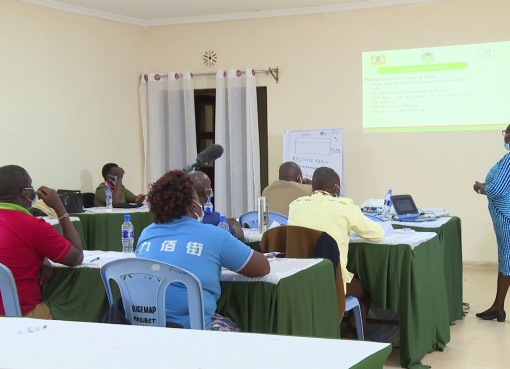
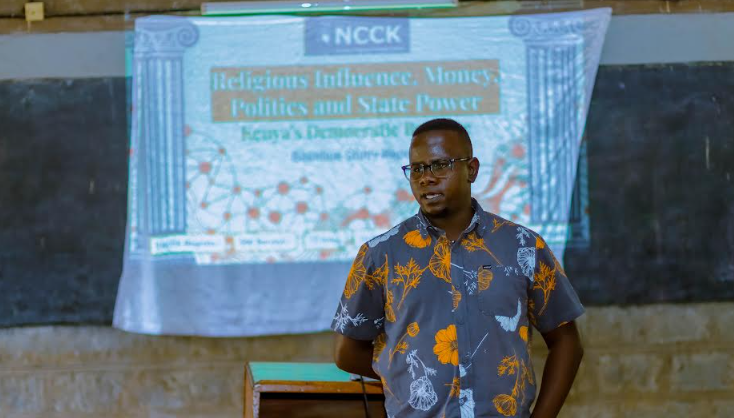
The report was released during a governance forum held at Kirigiti in Kiambu County under the theme “Strengthening Governance, Accountability, and Trust for Credible Elections.”
According to the study, dubbed the ‘Angaza Project’, the widespread perception that financial incentives are necessary for electoral success is eroding public confidence in democratic institutions and the credibility of elections.
The report attributes the growing culture of voter inducement partly to economic hardship, noting that 22 per cent of Kenyans earn Sh10,000 or less per month, while 31 percent earn between Sh10,001 and Sh30,000.
NCCK said financial vulnerability has made many voters more receptive to campaign donations, gifts, and cash handouts, creating an environment conducive to voter bribery and transactional politics.
The study also identified the high cost of elective politics as a significant barrier to political participation.
It estimates that a candidate requires at least Sh5 million to run a competitive campaign for a Member of County Assembly (MCA) seat, Sh50 million for a Member of Parliament (MP) or Senate seat, Sh100 million for a gubernatorial contest, and approximately Sh12 billion for a presidential campaign.
Of the estimated presidential campaign budget, about Sh7 billion would be spent on logistics, while the remainder would go towards campaign mobilization and voter handouts.
Speaking during the forum, NCCK Coordinating Committee Secretary Bishop Joseph Ngigi said the findings highlighted the urgent need to strengthen institutions responsible for holding elected leaders accountable.
“We must bring our leaders to account. They must be answerable to the people of Kenya. Sovereign power belongs to the people as stipulated in the Constitution,” he said.
Bishop Ngigi called for reforms to strengthen constitutional provisions on the recall of elected leaders, saying members of Parliament should also be subject to effective recall mechanisms where they fail to fulfill their mandate.
“We are saying that the Article on the recalling of an MP should be strengthened. It should not only be governors or the President who can be removed from office. If an MP is not performing, the people should have an effective mechanism to recall them,” he said.
He also urged religious institutions to play a more active role in promoting good governance and civic responsibility.
“People are saying that the current oppressive leaders were put into power by the Church, and now the same Church has the responsibility to help the country correct that. It is time for the Church to wake up,” Bishop Ngigi added.
The study found that 84 per cent of Kenyans trust religious institutions, making them among the country’s most trusted institutions for civic engagement and governance advocacy.
NCCK Monitoring and Evaluation Officer Dennis Bosire cautioned against the growing perception that ‘Generation Z’ alone would determine the outcome of the 2027 General Election.
“Only about 33 per cent of the population falls within the 20 to 24-year age bracket. If we rely solely on this group to change the direction of the vote, we will be setting a dangerous precedent. Every Kenyan must turn out to vote,” Bosire said.
To address the governance challenges highlighted in the report, NCCK said it is implementing initiatives such as the ‘Vijana’ to Thrive program to equip young people with employability skills, mentorship, and access to economic opportunities while reducing their vulnerability to political manipulation.
Bosire said the council is also strengthening governance watch programs through churches and working with communities to enhance civic education, accountability, and public participation.
NCCK said the ‘Angaza’ Project Report will be released to the public together with action guides to support churches in promoting accountable leadership and strengthening democratic governance at the community level.
By Rose Muthoni and Grace Naishoo