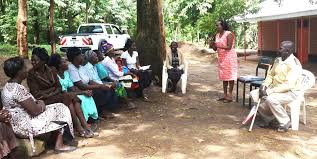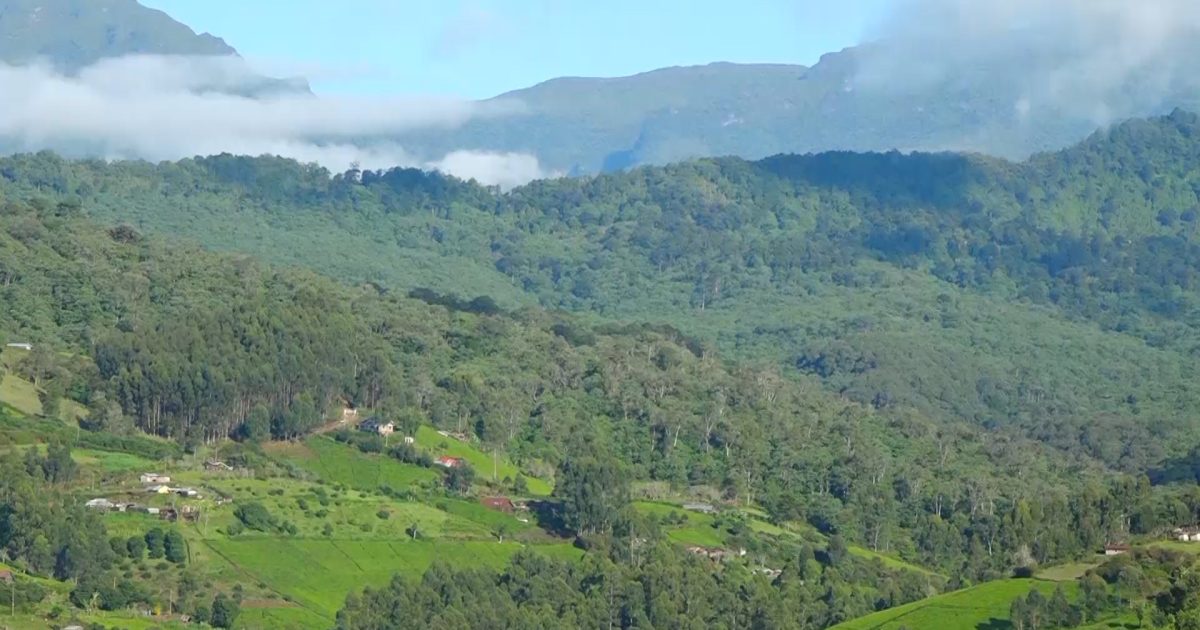
Residents living around the Murang’a side of the Aberdare Forest are calling for improved infrastructure to unlock the region’s untapped tourism potential and position it as a major destination for eco-tourism, cultural tourism and adventure travel.
They say poor road networks, limited visitor facilities and difficult access routes have hindered the growth of tourism in an area endowed with waterfalls, scenic viewpoints, rich biodiversity and historical sites despite its proximity to Nairobi.
The Aberdare ecosystem, stretching about 170 kilometres across Murang’a, Nyeri, Kiambu, Nyandarua and Laikipia counties, is one of Kenya’s most important natural resources. The montane forest is also a key water tower that supports agriculture, hydroelectric power generation and millions of livelihoods.
However, residents argue that the Murang’a section of the forest remains largely unexplored compared to other parts of the Aberdare accessed through established tourism gates in Nyeri and Laikipia.
Zack Githeca, proprietor of Aberdare Cottages and Fishing Lodge in Mathioya, said improving accessibility would encourage more visitors to explore the Murang’a side of the ecosystem.
“Unlike other sections of the Aberdare ecosystem that are accessible through established gates in Nyeri and Laikipia counties, much of the Murang’a side can only be explored on foot through rugged undeveloped trails that are dangerous and time consuming,” said Githeca.
He noted that the absence of all-weather roads and visitor facilities has pushed many tourists to access the Aberdare through neighbouring counties, denying Murang’a residents opportunities presented by the tourism sector.
Githeca said improving access would create a complete tourism circuit that would encourage visitors to stay longer, benefiting hotels, restaurants, tour guides and local businesses.
“In the hospitality industry, success is measured by the number of days visitors stay in a destination. Opening up the Aberdare would ensure tourists stay here for several days, significantly boosting the local economy,” he said.
He added that improved infrastructure would make the destination accessible to more people, including visitors who may not be physically able to undertake long hikes through challenging terrain.
Residents have also taken an active role in conserving the ecosystem, with community groups participating in forest restoration and guiding visitors through nature trails.
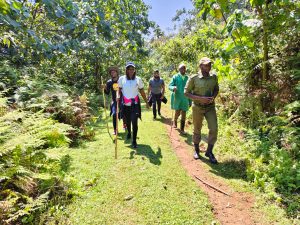
Bernard Muraguri Wangui, a member of the Green Shine Aberdare conservation movement, said protecting the forest has become a collective responsibility among local communities who believe tourism development would improve livelihoods.
“We also act as tour guides for visitors who want to access the nature trails,” he said.
The group’s secretary, Kariuki Kagure, said the initiative has planted more than 86,000 indigenous tree seedlings in the Aberdare Forest as part of conservation efforts.
He said 10 per cent of the planted trees are fruit varieties distributed to community members participating in conservation activities, providing an additional source of income while encouraging environmental protection.
Kagure said restoring the forest is vital because the region’s agricultural productivity depends on rivers and a stable climate supported by a healthy Aberdare ecosystem.
He noted that many Kenyans remain unaware of the tourism attractions found on the Murang’a side, including Gatangu Waterfall, the clear waters of River Mathioya, which support fly fishing, and the Gikae View Point that offers panoramic views of the forest canopy.
According to residents, Gikae View Point also carries historical significance as it was used by colonial authorities as a detention camp for Mau Mau fighters during the State of Emergency period.
“This is not just a tourist attraction but also a site with historical importance. From the viewpoint, colonial officers could monitor a wide section of the forest,” said Kagure.
The Aberdare ecosystem hosts diverse wildlife and plant species, including more than 250 bird species, over 200 indigenous tree species, forest elephants, colobus monkeys and hyenas.
Residents are now appealing to the county and national governments, the Kenya Forest Service, Kenya Wildlife Service and other tourism stakeholders to collaborate in opening up the Murang’a section of the Aberdare Forest.
They believe investment in infrastructure, conservation and tourism promotion would transform the area into a leading eco-tourism destination while creating employment opportunities and improving community livelihoods.
By Florence Kinyua