More than 300 marine engineering graduates in Kenya have been locked out of jobs in the maritime sector due to a shortage of sea-time training placements, the Kenya Maritime Authority (KMA) has said.
Sea-time training, a mandatory practical requirement for professional certification, has become the single biggest obstacle preventing qualified graduates from joining the workforce, even as opportunities expand under the country’s growing blue economy sector.
The event was attended by Bandari Maritime Academy, Technical University of Mombasa, Kenya National Coast Polytechnic and Kenyan Methodist University among other training institutions.
To address the gap, KMA has signed a Memorandum of Collaboration with Saflog Group, a shipping and logistics firm, aimed at opening up internship and industrial attachment opportunities for maritime students.
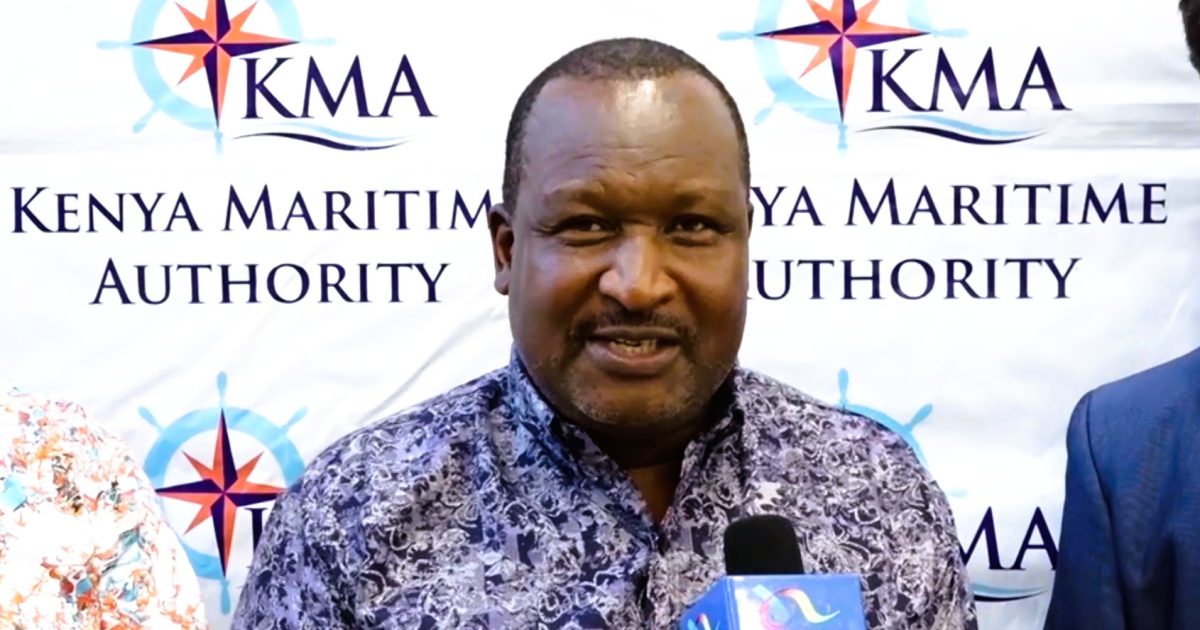
Speaking during the signing ceremony at Bandari Maritime Academy in Mombasa, KMA Director-General (DG) Omae Nyarandi said the shortage of placements aboard ships had left many aspiring seafarers unable to complete the practical training needed for certification, both locally and internationally.
“This is a pilot initiative. We have signed this memorandum today, and we are engaging other shipping agents, shipping lines and logistics companies to work with training institutions so that graduates can acquire the practical experience required by the industry,” Nyarandi said.
The KMA DG said the partnership marks the first in a series of planned collaborations between KMA and private sector players to widen access to internships and attachments for maritime students, whose training has often stalled at the classroom stage for lack of onboard exposure.
CPA Nyarandi described the collaboration as an important step towards strengthening collaboration between industry and maritime education in offshore maritime training.
Nyarandi added that KMA was also working to improve the quality of maritime training by reviewing and standardizing curricula across institutions.
He said the authority had already developed a Level Five curriculum in transport logistics and was reviewing the Level Six curriculum to align graduates’ skills with national and international industry standards.
Saflog Group Managing Director (MD) Suleiman Bachoo described the agreement as a strategic step toward bridging the divide between what students learn in class and what the industry actually demands.
“We have to blend academic knowledge with practical know-how. That is where the private sector comes in by providing students with real industry exposure. We are optimistic that this collaboration will contribute to developing future leaders in the maritime sector,” Bachoo said.
Under the agreement, Saflog Group will offer four paid internship positions to maritime students, giving them direct exposure to shipping and logistics operations. The company will also sponsor 72 students to obtain the internationally recognized Certificate of Proficiency (CoP), a qualification required for employment on both local and international vessels.
Officials said the partnership is expected to support the government’s Blue Economy agenda by widening access to sea-time training, improving graduates’ chances of employment, and easing the shortage of certified seafarers in the country.
KMA said it would continue reaching out to shipping lines, agents and logistics firms to replicate the model signed with Saflog Group, with the goal of absorbing more of the backlog of trained but unplaced graduates.
“We are optimistic that this collaboration will contribute to developing future leaders in the maritime sector,” he said.
By Ramadhan Nassib