Human rights defenders and civic actors in Mombasa County have been urged to embrace income-generating ventures that can cushion them financially and reduce their heavy reliance on donor funding, which officials say has left many activists exposed and vulnerable.
The call was made during the launch of a Civic Wealth Creation Baseline Survey in Mombasa, part of the Enterprise Development Program run by Inuka Kenya Ni Sisi, an organisation working with civic actors across 24 counties.
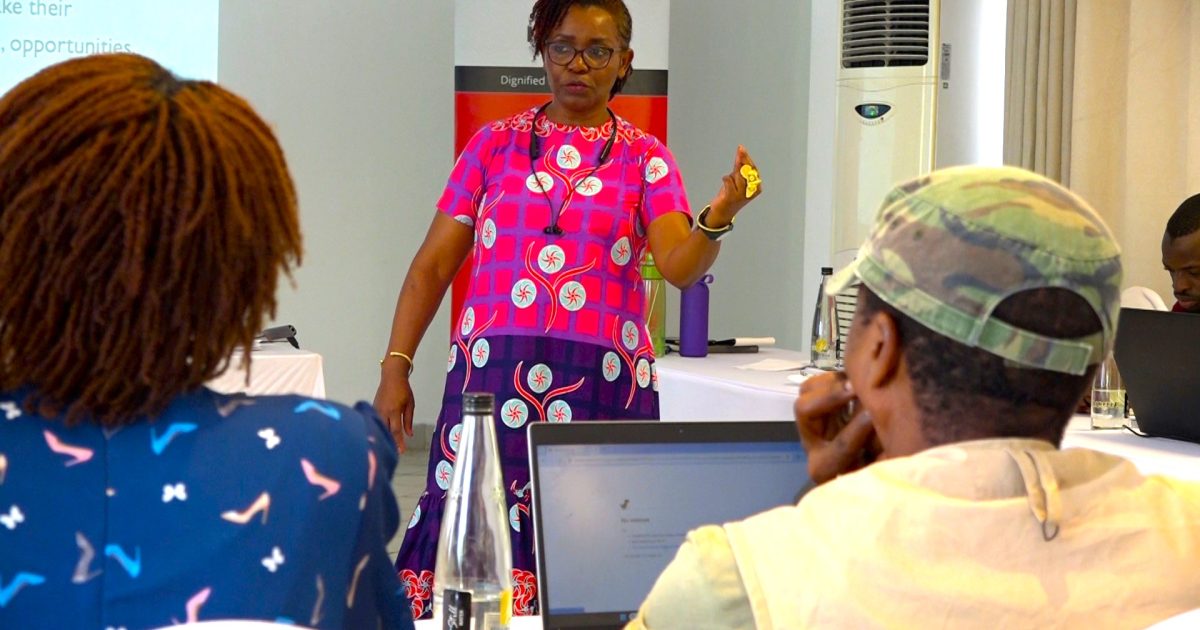
Speaking during the launch, Inuka’s Enterprise Development Program Officer Eunice Wanjiru said the initiative was designed to help civic actors establish sustainable enterprises so they can continue their advocacy work without being compromised by financial hardship.
“The objective of this program is to help civic actors and catalysts establish income-generating ventures so that they can continue with their work of advocacy,” said Wanjiru, adding that financial precariousness often leaves activists open to manipulation and unable to see their work through to completion.
She said the Mombasa launch forms part of a nationwide mapping exercise to identify civic wealth creators, understand the enterprises they run, and find ways of helping human rights defenders earn a living alongside their advocacy work.
Athman Abdalla, representing Persons with Disability under the Coast Civil Society for Human Rights, called for greater protection of vulnerable groups within the civic space.
He cited an incident last month in Nakuru where a Person with Disability was harassed during a demonstration, despite the constitutional right to participate in protests.
He urged authorities to protect the rights of all citizens, including persons with disabilities, in civic spaces.
FIDA Kenya legal counsel Lavender Odipo said the conversation around financial independence was especially critical for women in human rights work, noting that donor funding had become increasingly unpredictable amid shifting global political administrations.
“Finding ways to be self-reliant and not depend on donor funding, which is very fluctuating, is crucial,” Odipo said, emphasising that safety and financial sustainability must go hand in hand for women defenders to carry out their work effectively.
Edwin Shamir, Coordinator of the Coast Civil Society Network for Human Rights, said the training came at an opportune time as the country heads towards elections, a period activists often find themselves torn between political engagement and advocacy work.
He said poor financial management, and not only donor dependency or state repression, has contributed significantly to the shrinking of civic space in Kenya.
“We are not going to have these scenarios where a human rights defender is sick and cannot go to the hospital, or cannot send their children to school,” Shamir said, adding that the initiative would help defenders sustain their work with dignity while safeguarding the credibility of human rights advocacy in the region.
By Ramadhan Nassib