Cancer remains one of Kenya’s leading health challenges, ranking among the top causes of death in the country, with an estimated 44,000 to 48,000 new cases reported annually and more than 32,000 deaths linked to the disease.
Women continue to bear a significant burden, with breast and cervical cancers among the most frequently diagnosed, while prostate, esophageal and colorectal cancers account for a large proportion of cases among men.
Fifteen years ago, Kisumu Governor Prof. Peter Anyang’ Nyong’o encountered a life-changing diagnosis in a doctor’s office, which could have killed the heart and spirit of any person, but it didn’t; instead it ignited hope and strength that is now saving lives in various counties in the country.
Instead of letting the news of the diagnosis dampen his spirit, Prof. Nyong’o instead embarked on a mission that would transform cancer care for thousands of Kenyans by founding the Africa Cancer Foundation (ACF).
What began as a personal battle against prostate cancer for him has evolved into a nationwide movement advocating for early detection, affordable treatment, and renewed hope for cancer patients across the country.
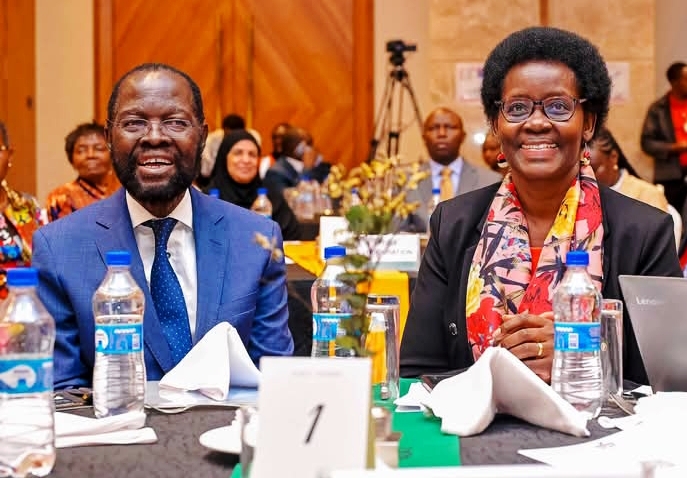
As the Africa Cancer Foundation (ACF) celebrated its 15th anniversary in July under the theme “Own Your Cancer Story”, the occasion was more than a celebration of milestones achieved. It was a powerful reminder that while significant progress has been made, Kenya’s fight against cancer is far from over.
Reflecting on the foundation’s journey, Prof. Nyong’o recounted the emotional moment that changed his life forever. Confronted with the reality of a cancer diagnosis, he and his wife, Dorothy Nyong’o, affectionately known as Mama Kisumu, resolved that no Kenyan should face cancer alone simply because they could not afford treatment.
From that deeply personal promise emerged the Africa Cancer Foundation, an organization that has spent the last decade and a half championing cancer awareness, supporting patients and survivors, and advocating for policy reforms that have improved access to quality cancer care.
The anniversary celebrations brought together government leaders, healthcare professionals, development partners, cancer survivors, donors, volunteers, and supporters who have walked alongside the foundation throughout its journey.
Dr. Gladwell Kiarie, a senior oncologist, attended the function as the chief guest and called for more efforts from all stakeholders in handling this scourge in the country.
Yet beyond the speeches and celebrations lay the real stories that continue to define the foundation’s work. Stories of mothers unable to afford chemotherapy, young people overwhelmed by the fear of a cancer diagnosis, and families forced to choose between paying for treatment and meeting their daily needs. These experiences reflect a reality that extends far beyond hospital rooms and beds.
“For many patients, cancer is not just a medical condition; it is a financial, emotional, and social crisis that affects entire families,” Prof. Nyong’o observed.
He noted that restoring hope, preserving dignity, and ensuring equitable access to treatment remain at the heart of the foundation’s mission.
Over the past fifteen years, the Africa Cancer Foundation has expanded cancer awareness and screening programmes into communities where fear, misinformation, and stigma once discouraged people from seeking help.
Through sustained advocacy, public education, and strategic partnerships, the organisation has contributed to policy reforms that continue to strengthen cancer prevention, diagnosis, and treatment across Kenya.
Among the key milestones of the ACF programmes is its continued support for establishment of Kenya’s first public Bone Marrow Transplant Programme at Jaramogi Oginga Odinga Teaching and Referral Hospital (JOOTRH) in Kisumu.
The construction of a comprehensive cancer centre at JOOTRH is underway at a cost of Sh.400 million, funded jointly by the national government and the county government of Kisumu. The facility will enhance specialised cancer diagnosis and treatment services.
Once complete, the facility is expected to provide life-saving treatment to patients who previously had limited options or were forced to seek expensive care outside the country.
The foundation also reaffirmed its commitment to supporting the construction of the Chun Jeong Un Nyong’o Cancer Centre in Kisumu, a specialised facility expected to improve access to comprehensive cancer diagnosis and treatment services for mostly sickle cell patients across western Kenya.
Speaking during the launch of a mobile Cancer screening clinic by ACF at JOOTRH recently, Principal Secretary for Medical Services, Mary Muthoni Muriuki, described the initiative as a significant step towards strengthening cancer prevention, early diagnosis, and treatment across the country.
The campaign is taking this screening to unreachable rural areas while sensitising communities about cancer.
She noted that many Kenyans, particularly those living in rural and underserved communities, continue to face barriers in accessing cancer screening services, resulting in delayed diagnosis and poor treatment outcomes. The sentiments were echoed by Mrs Dorohty Nyong’o.
Muriuki applauded the Africa Cancer Foundation for its enduring partnership with the Ministry of Health in advancing cancer awareness, education, and early detection.
She said the foundation has complemented government efforts through community outreach programmes that encourage regular screening and promote public awareness about cancer.
“The Mobile Cancer Clinic reflects our commitment to ensuring equitable healthcare for every Kenyan, regardless of where they live,” she said.
She reiterated that the Ministry of Health would continue supporting the programme by providing skilled healthcare workers, medical equipment, and other essential resources needed to deliver quality cancer services.
The Principal Secretary also urged Kenyans to become ambassadors of cancer awareness through the “Tell a Friend to Tell a Friend” campaign, stressing that early detection remains one of the most effective ways of reducing cancer-related deaths.
Echoing her sentiments, JOOTRH Chief Executive Officer, Dr. Joshua Clinton Okise, said the hospital remains committed to expanding access to specialised cancer care through innovation and strategic partnerships.
He explained that while JOOTRH has significantly strengthened its oncology services over the years, the Mobile Cancer Clinic will take these services beyond the hospital walls and directly into communities where they are needed most. Dr Okise described the mobile clinic as more than just a healthcare project.
“It is a symbol of hope for thousands of patients who previously had to travel long distances in search of cancer screening and treatment,” he said.
He further reaffirmed JOOTRH’s commitment to supporting national efforts aimed at reducing the country’s cancer burden through early diagnosis, timely treatment, continuous public education, and stronger collaboration with development partners such as the Africa Cancer Foundation.
The newly launched Mobile Cancer Clinic will provide life-saving screening services through outreach programmes in markets, schools, churches, and other public spaces, bringing healthcare closer to communities while promoting early detection one of the most effective strategies for improving cancer survival rates.
Although the Africa Cancer Foundation celebrated fifteen years of remarkable achievements, its leaders acknowledged that the journey is far from complete.
They renewed their commitment to building a future where every Kenyan has access to timely diagnosis, quality treatment, and compassionate care, regardless of their financial circumstances or geographical location.
As the celebrations drew to a close, one message resonated throughout the event: the fight against cancer belongs to everyone.
Survivors, families, healthcare workers, policymakers, community leaders, and ordinary citizens all have a role to play in raising awareness, encouraging regular screening, supporting those living with cancer, and breaking the stigma that still surrounds the disease.
For the Africa Cancer Foundation, a journey that began with one man’s personal battle has become a national story of resilience, compassion, partnership, and hope a powerful reminder that while cancer changes lives, collective action can change outcomes.
By Mabel Keya – Shikuku and Robert Onyango