Health facilities whose negligence contributes to the deaths of mothers and newborns during childbirth could face hefty fines and jail terms if a Bill proposed in Parliament becomes law.
The Maternal, Newborn, and Child Health Bill, proposed by Nominated Senator Beatrice Ogolla, seeks to hold health facilities and individual practitioners accountable for preventable deaths in maternity wards.
Those found negligent could be fined up to Sh1 million or sentenced to a maximum of five years in prison.
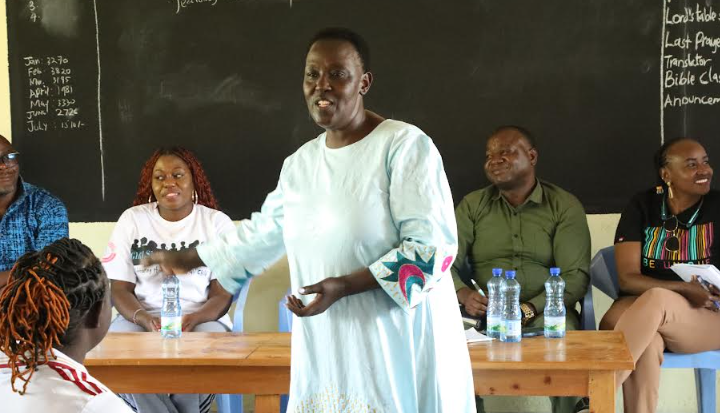
Senator Ogolla, who spoke during a public sensitisation forum in Ndhiwa, said the proposed legislation was necessary to strengthen efforts to reduce maternal and child deaths, which remain a major concern in some parts of the country.
“The Bill has provisions that will impose penalties on people who practise negligence. There are penalties that medics will face, which include a fine of up to Sh1 million or a jail term of up to five years,” she said.
The Senate has already debated and passed the Bill, which is now awaiting consideration by the National Assembly.
Senator Ogolla called on Members of Parliament to approve the legislation, saying it would help protect mothers and children from preventable deaths and strengthen accountability within the health sector.
Homa Bay County is among areas recording high maternal and child mortality rates, with maternal deaths ranging between 516 and 583 for every 100,000 live births, compared with the national rate of between 355 and 488 deaths per 100,000 live births.
According to the 2022 Kenya Demographic and Health Survey, Homa Bay’s neonatal mortality rate stands at 31 deaths per 1,000 live births, while infant mortality is recorded at 42 deaths per 1,000 live births.
The Bill also proposes closer monitoring of expectant mothers throughout pregnancy and after delivery. Women who fail to attend scheduled hospital visits would be followed up to ensure they receive the necessary care.
Senator Ogolla said early preparation and regular medical care could help prevent complications during pregnancy and childbirth.
“Women need to be prepared when they are pregnant just as you prepare your farm before planting. The government must put in place services that prepare women for pregnancy. This will reduce medical emergencies,” she said.
The proposed law further outlines maternal health services that should be available during pregnancy, delivery, and after childbirth. It also provides for the needs of expectant mothers with disabilities.
The senator said mothers should continue receiving support after giving birth rather than having healthcare programmes focus only on infants. She urged residents to support the Bill and efforts to ensure women give birth safely.
Mark Okundi, a communication and advocacy officer at MSI Reproductive Choices, said several barriers continue to prevent women from accessing reproductive health services.
He said some women are unable to obtain their preferred family planning methods, while shortages of medicines also affect access to quality healthcare.
“The Bill will eliminate some of the problems women face when it comes to their reproductive health. Besides, it will enable hospitals to have adequate stocks of medicine,” Okundi said.
Homa Bay County medical outreach coordinator Molly Ochar said pregnant women should have easy access to healthcare services whenever they need them.
She said the county government was working with community health promoters to identify and link expectant mothers with health facilities where they can receive safe delivery services.
By Brenda Odindo and Sitna Omar