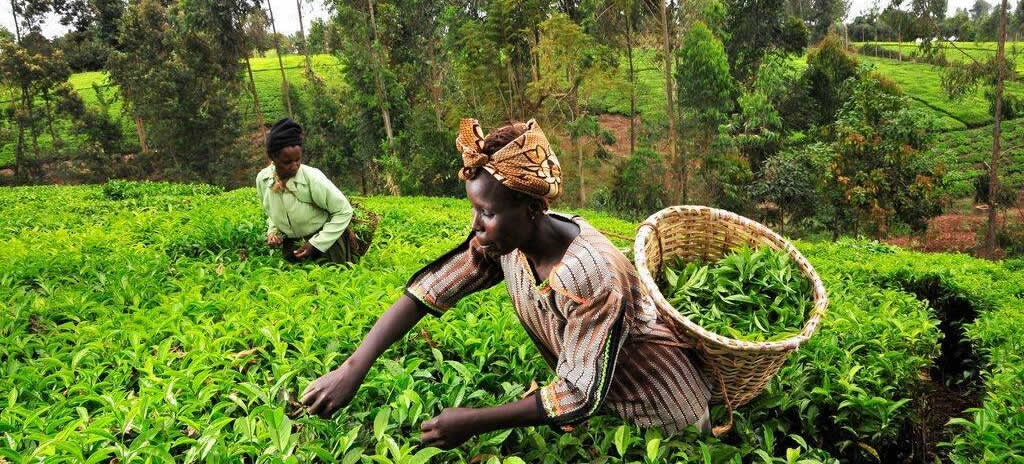
The Kenya Tea Development Authority (KTDA) will supply two million bags of fertiliser to more than 600,000 tea farmers starting next month, following delays in the shipment of the consignment.
KTDA National Chairman Enos Njeru said the authority had procured 99,000 metric tonnes of fertiliser, equivalent to two million 50-kilogramme bags, which are expected to arrive early next month and be distributed to farmers immediately.
“We have procured 99,000 metric tonnes, worth two million bags (50 kg) of fertiliser, which will arrive early next month and will be supplied to farmers immediately, amid delays from the source,” said Njeru.
The fertiliser was initially expected to reach farmers this month ahead of anticipated rains, but technical and logistical challenges affected the shipment schedule.
Njeru said KTDA was also pursuing market diversification for Kenyan tea to improve farmers’ earnings following a decline in tea prices over the past few months.
He said the authority was awaiting court directions on implementation of the 0.8 percent levy gazetted by Agriculture Cabinet Secretary Mutahi Kagwe after a section of farmers petitioned the courts over the matter.
Njeru also said allegations of irregular or illegal payment of approximately Sh322.5 million to one of the fertiliser suppliers were under investigation by relevant authorities.
“The alleged payment of Sh322.5 million to one of the fertiliser suppliers is currently under investigation by the relevant investigating authorities, and we will allow the competent authorities to complete their work, establish the facts, and issue their findings,” he said.
He said KTDA remained committed to accountability and transparency in its operations to safeguard the interests of the more than 600,000 smallholder tea farmers across the country.
Speaking to the press on the sidelines of a meeting with tea sector stakeholders in Naivasha, Njeru cautioned against spreading unverified allegations through social media, sensational headlines, speculative commentary, and irresponsible blogging.
He said the authority remained open to constructive proposals aimed at reforming the tea sector and improving returns to farmers.
“The interests of individual persons or groups must never supersede the interests of the millions of tea farmers whose livelihoods depend on this industry,” said Njeru.
The chairman said KTDA leadership was strengthening governance, financial discipline, accountability, and transparency across its operations.
He welcomed the national government’s decision to provide a grant for replacement of old machinery in tea factories, saying the investment would improve efficiency and reduce operational costs.
Njeru said modern machinery would help factories process tea more efficiently while improving the overall competitiveness of the sector and returns to farmers.
He further disclosed that KTDA-managed factories had installed anti-tampering devices to curb green leaf fraud associated with manipulation of weighing scales.
He warned that those found tampering with weighing equipment would face action in accordance with the law.
The fertiliser distribution comes as the tea sector continues to play a significant role in Kenya’s agricultural economy and foreign exchange earnings.
According to the Tea Industry Performance Report released by the Tea Board of Kenya in April 2026, tea export earnings increased to Sh186 billion in 2025 from Sh181 billion in 2024.
The report showed that tea export volumes rose by 9.81 percent to 652.80 million kilogrammes in 2025, compared with 594.50 million kilogrammes recorded in 2024.
Domestic tea sales also increased by six percent to Sh19.13 billion, while the total marketed value of tea rose from Sh215.21 billion in 2024 to Sh218.79 billion in 2025.
Kenya has expanded its tea export destinations to 100 countries from 96 in 2024, with increased demand reported in Pakistan and Egypt.
The sector has also opened emerging markets in countries including Oman, Ireland, Japan, and Kazakhstan.
By Erastus Gichohi and Beatrice Wanjiku