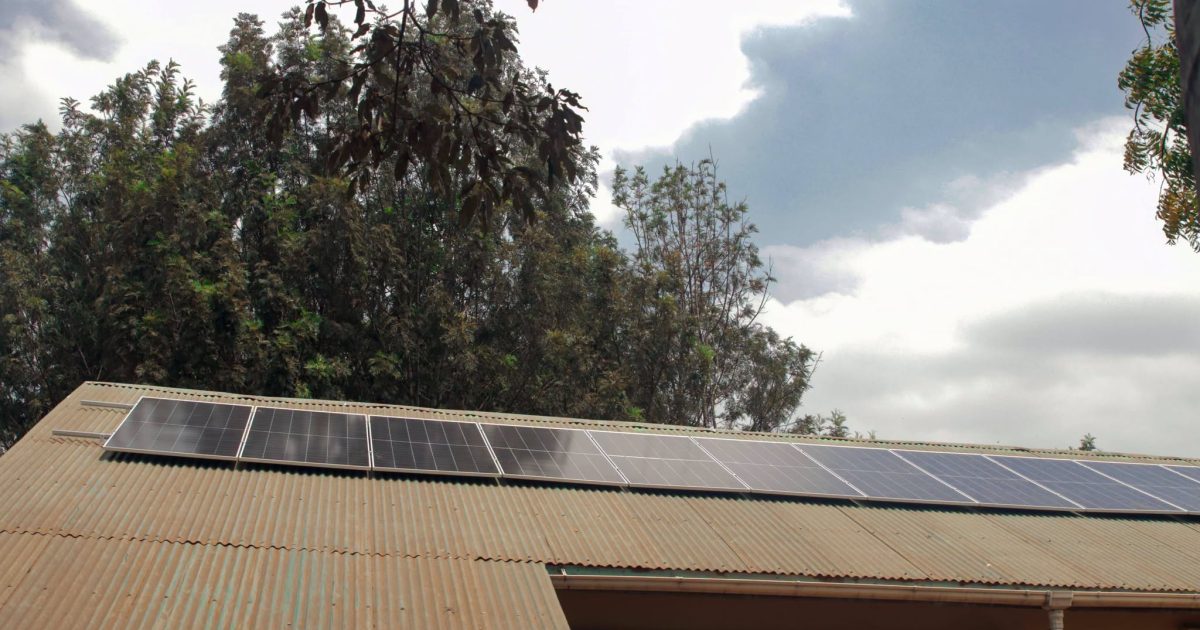
Mary Immaculate Kiamumbi Primary School has installed two solar power systems in an initiative expected to reduce electricity costs and improve reliability of power supply at the institution.
Kiambu Town Member of Parliament Machua Waithaka said one of the solar systems would serve the entire school, while the second system had been dedicated to powering the school’s borehole.
Waithaka said the investment would provide the institution with a more reliable and sustainable source of energy while reducing the financial burden associated with electricity bills.
“Previously, the school was spending approximately Sh50,000 every month on electricity bills. This investment in solar energy will significantly reduce recurrent energy costs and ensure that more resources are directed towards our learners and other critical needs of the institution,” said Waithaka.
The legislator said the installation formed part of a wider plan to promote the use of renewable energy in schools within the constituency, noting that the initiative would also help institutions cope with rising operational costs.
He said the solar systems would provide a dependable source of power for essential school operations, including lighting and other activities that require electricity, while ensuring that the borehole continues to provide water even when there are interruptions in the conventional power supply.
Waithaka said his office was committed to ensuring that more schools benefit from solar power, with the ultimate goal of making schools less dependent on electricity from the national grid.
“Our intention is to connect all our schools to solar power, providing reliable, affordable and sustainable energy while reducing the financial burden of electricity bills,” he said.
The MP said savings made from reduced electricity expenditure would allow schools to channel more resources towards improving learning facilities, supporting learners and addressing other priority needs.
The move comes as schools and other public institutions increasingly explore renewable energy solutions to reduce operational expenses and promote environmental sustainability.
Waithaka said investing in clean energy was not only about reducing costs but also about preparing schools for a more sustainable future.
“This is about investing in our schools today while building a more sustainable future for our learners,” he said.
Waithaka, who represents Kiambu town Constituency in the National Assembly, has continued to prioritise education and infrastructure development in schools. Parliament lists education and research among his areas of interest.
By Kipkorir Felix and Grace Naishoo