Egerton University’s Agro-Science Park in collaboration with private and public industry stakeholders, has developed high-yielding, drought- and disease-resistant crop seed varieties as measures of coping with effects of climate change.
Egerton University’s Director for Agro-Science Park Professor Paul Kimurto said the initiative was also stepping up efforts to train farmers to embrace innovative farming practices to address post-harvest losses occasioned by emerging cases of new pests and diseases that have been affecting yields.
Professor Kimurto noted that with the climate change realities experienced, the University and its partners have endeavored to research and avail seed varieties adaptable to nature’s climatic vagaries.
He said climate change had become a threat to food security the world over, with its effects including unpredictable rains, leading to decreased yields and increased production costs.
“Unless we help our farmers embrace climate-smart agriculture, production will continue to dwindle, leading to deceased incomes, job losses and hunger,” he explained.
Among the high yielding, disease and drought resistant varieties released to the market by the institution include Egerton Mbaazi M1, Mbaazi M2 Mbaazi 3 and Mbaazi M4) pigeon pea seeds, 29 new cassava varieties, Tasha, Ciankui and Chelalang bean varieties that are all suitable for warm areas and Nyota and Mwangaza groundnuts seeds.
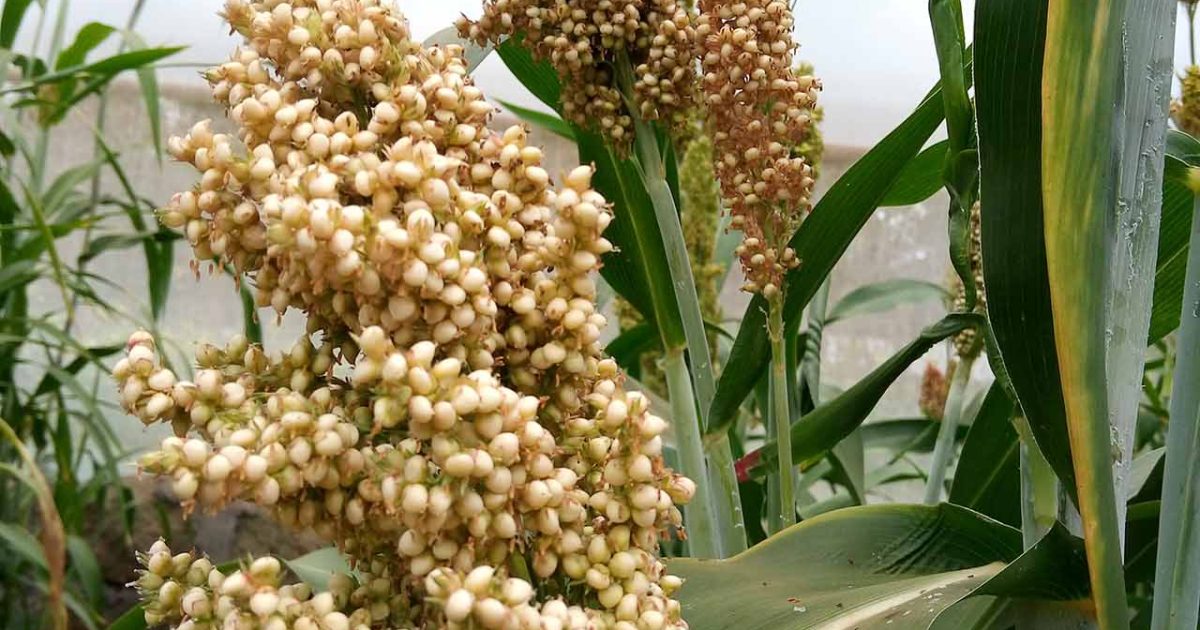
Others are new sorghum varieties EUS 130, EUS1, EU-SS-10 and ‘EU-SS-11 finger millets (Snapping green) and chickpeas (Saina ka1).
Professor Kimurto observed that for more than a decade, the Agro-Science Park had been at the forefront of transforming agricultural research, science and innovation into practical solutions for farmers, entrepreneurs and industry.
Established in 2011, the Agro-Science Park was conceived to bridge the gap between the laboratory and the marketplace by promoting innovation, technology transfer, commercialization and University–industry linkages.
The AgroScience Park, the Don added, provides a platform for research, demonstration, training, incubation, agro-processing and commercialization of agricultural innovations, with its 50-acre facility designed to bring together researchers, students, farmers, entrepreneurs, agro-processors and industry partners.
The Park has also supported innovations in honey, yoghurt, fish farming and agricultural mechanization.
The Park is also envisioned as part of the larger Egerton University Agri-City Agro-Industrial Park, a transformative concept aimed at creating an integrated hub for agricultural production, agro-processing, technology, research, investment and enterprise development, added Professor Kimurto.
In researching and developing the climate smart seeds Egerton University has been collaborating with the International Crops Research Institute for the Semi–Arid Tropics (ICRISAT), the Kenya Plant Health Inspectorate Service (Kephis) Community Action Research Project (CARP+) and Kenya Agricultural Livestock Research Organization (KALRO).
Other partners include the Centre of Excellence in Sustainable Agriculture and Agribusiness Management (CESAAM), East African Breweries Limited (EABL), Regional Universities Forum for Capacity Building in Agriculture (RUFORUM), the MasterCard Foundation and Alliance for a Green Revolution in Africa (Agra).
Professor Kimurto further said there should be sustained innovation in drought-resistant seed varieties, environment friendly practices and better post-harvest management to reduce losses. We have also been empowering farmers to make informed decisions such as planting at the right time and the right crop.
According to the don the use of climate-smart agriculture innovations and technology is often limited to large scale farmers.
“Knowledge dissemination to small scale farmers is critical. Today, the Agro-Science Park stands as a reflection of Egerton University’s long-standing leadership in agricultural education and research—and its commitment to ensuring that knowledge does not remain in laboratories, but grows into innovations, enterprises, jobs and solutions that improve lives,” he added.
The groundnut varieties developed by the University according to Professor Kimurto are offering farmers up to 20-25 bags per acre of unshelled nuts if good husbandry is done. They do well in hot, dry areas like Turkana, where farmers normally don’t harvest much.
He added that the seeds can also be grown in dry parts of Nyanza (south), Western and Eastern regions. Besides providing the seeds, Professor Kimurto said farmers were trained on crop husbandry that included planting 30kg of groundnuts per acre instead of 25kg.
The university initially offered the drought-resistant Tasha, Ciankui and Chelalang beans to 100 farmers in Nyandarua, Uasin Gishu and Nakuru counties.
The Director for the Agro-Science Park said the beans were released after thorough research and in response to climate change that has made many places warmer.
He said the hybrid varieties produce 20 to 30 beans in each pod, unlike the other beans, which offer about half. The varieties, the Don said, cook faster; thus, one saves fuel and time.
They are also said to have less gas, unlike the typical beans and are enriched with higher levels of zinc and iron.
By Esther Mwangi