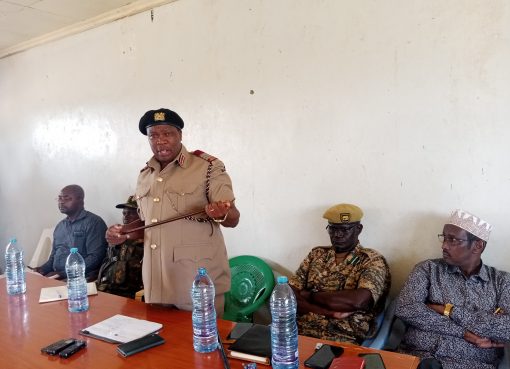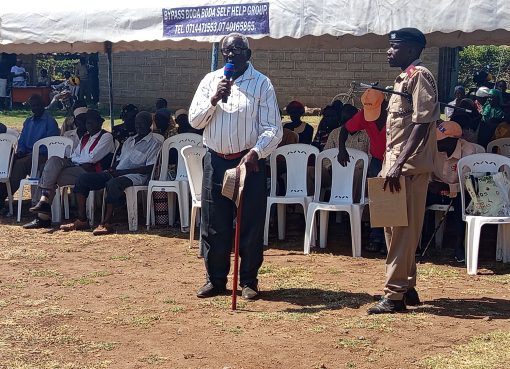
The Lamu County Government has put in place a disaster preparedness workplan aimed at cushioning residents against the impacts of the anticipated El Niño rains expected to hit the region in October.
Speaking at the Kenya Forestry Institute (KEFRI) in Mokowe, Lamu, County Executive Committee Member (CEC) for Agriculture James Gichu said the administration has taken measures to strengthen coordination, preparedness and response mechanisms ahead of the rains.
Gichu called on farmers across the county to harvest their crops early, warning that delays could result in devastating losses that would plunge households into panic and dependence on relief assistance.
He urged residents to treat early harvesting not merely as a precaution but as a frontline defense against the kind of food insecurity that has historically followed extreme weather events in the region.
The CEC issued a direct appeal to herders in flood-prone areas saying, “In the case of pastoralists, we urge those with animals in areas such as Didewaride, Moa and Chalaluma, which are prone to experience flooding, to move their livestock to higher ground,” pointing out the specific zones that have previously borne the brunt of seasonal flooding.
He further disclosed that the county government had already developed a working instrument designed to guide the disbursement of relief in real time as any crisis unfolds, allowing responders to act swiftly rather than scrambling to design interventions after disaster strikes.
Gichu also urged farmers to harvest and store their produce properly in dry stores, cautioning that improperly stored grain left exposed to moisture risks aflatoxin contamination—a health hazard that has plagued parts of the Coastal region during previous rain seasons and can render entire harvests unfit for consumption or sale.
Speaking at the same forum, Hindi Ward Representative James Njaaga said the County Assembly was working on an acceptable relief fund allocation, one intended to minimize destruction of lives and property once the rains set in.
His remarks pointed to an emerging alignment between the executive and legislative arms of county government on the urgency of the matter, with budgetary support seen as key to translating preparedness plans into action on the ground.
Chief Officer in charge of Public Service, Khadija Fumo, echoed similar sentiments, stressing the need for coordinated action across departments and partners.
“We must ensure that our plans are practical, coordinated and responsive to the needs of our people,” she said, adding that the county government was working closely with humanitarian organizations to ensure El Niño preparedness is addressed comprehensively and not left fragmented across different agencies.
World Vision Lamu Programme Manager Michael Mulei called for collective responsibility among all stakeholders, noting that El Niño preparedness cannot rest on the shoulders of a single department.
He urged all parties, government departments, humanitarian actors and community representatives alike, to work together in strengthening coordination and ensuring that anticipatory actions are implemented before disaster strikes, rather than after.
By Joy Wanjiru and Amenya Ochieng