Uasin Gishu County has launched a multi-partner drive to reverse years of soil degradation and put more money back into farmers’ pockets through smarter use of inputs.
The County Government is working with Homa Lime, the Kenya Plant Health Inspectorate Service (KEPHIS) and Moiben Connection to offer subsidized soil testing and agricultural lime to smallholder farmers.
The programme will start with 100 farmers every month translating to about 1,200 a year and could expand depending on testing capacity.
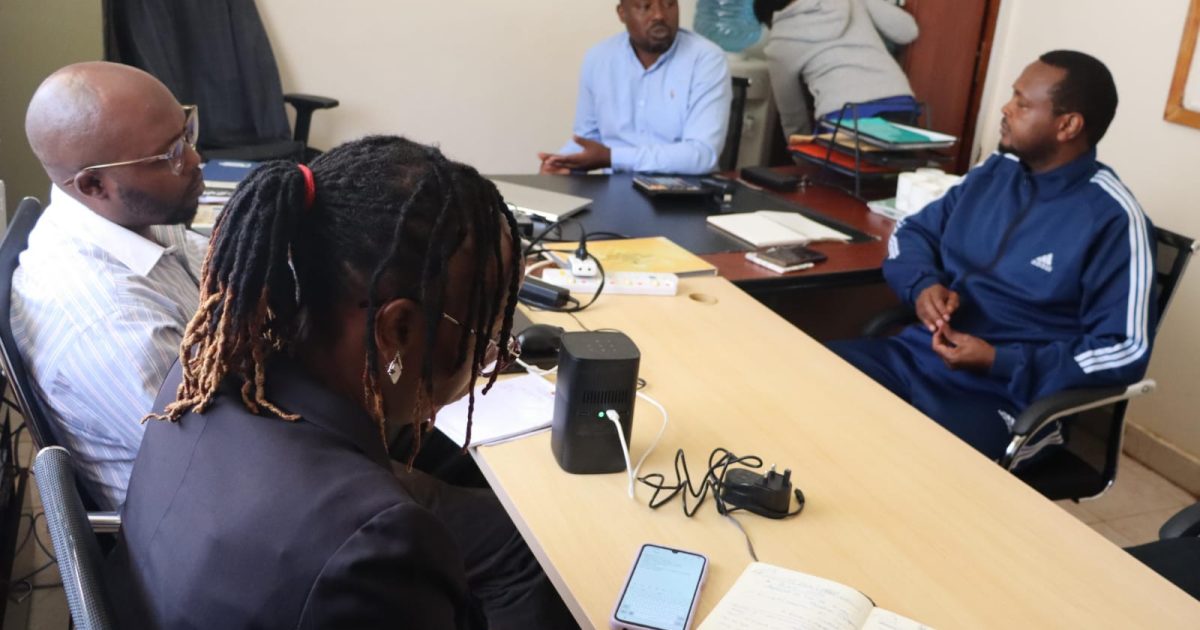
“Farmers have been mining the soil for years without putting anything back,” said National Agricultural Value Chain Development Project (NAVCDP) Coordinator Cosmas Lang’at during a meeting at his office in Eldoret City.
“Continuous cultivation has stripped the land of essential nutrients and driven up acidity. This partnership gives us a practical way to test the soil properly and apply the right solutions,” added Lang’at.
Lang’at said NAVCDP agripreneurs will be equipped to mobilize farmers, collect samples and deliver them for testing.
“They will also receive training and technical support so they can later offer soil-health management and lime-application services to other farmers,” he added.
Mr Antonio David of Moiben Connection and Lang’at of Homa Lime, who cover Uasin Gishu and Nandi counties, confirmed they have already secured subsidized testing rates with KEPHIS.
“The tests will tell farmers exactly what their soil needs,” David said. “We will know whether lime is required and at what rate, instead of guessing.”
Homa Lime will supply the product and technical expertise, while Moiben Connection will make the lime available to farmers at a heavily subsidized price of Sh500 for a 50 kg bag.
“Participating farms will also act as living classrooms,” Homa Lime’s Lang’at noted.
“Neighbors will see the difference and learn the correct practices,” he added.
The initiative promises training, follow-up support and clearer guidance on input use, a combination county officials hope will lift both yields and incomes across Uasin Gishu’s farming communities.
By Maurice Aluda