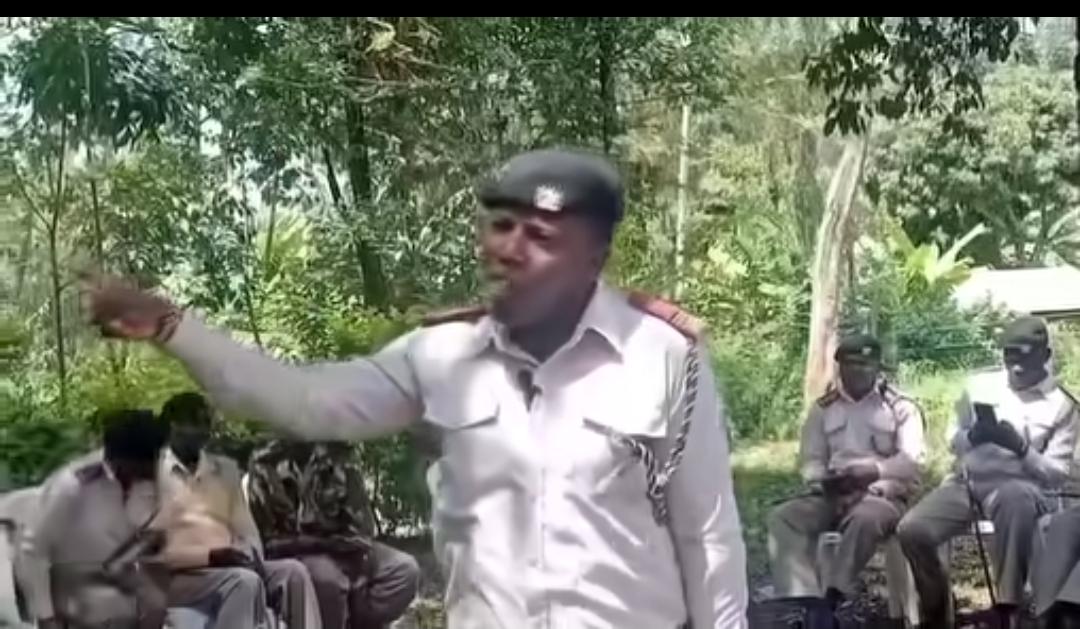
Ekwanda Assistant County Commissioner, Geoffrey Ng’enoh, has warned youths and members of the public against engaging in the controversial “Reggae na Lami” funeral processions, popularly known as “Msafara,” saying the practice will soon attract legal action.
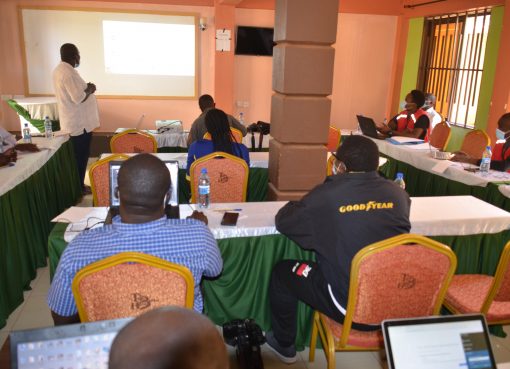
Speaking during the Kaila Baraza attended by local administrators, security officers, and community leaders, Ng’enoh condemned the growing culture where large groups of motorcycle riders escort deceased persons from mortuaries to burial homes while playing loud music along major roads.
The administrator noted that the processions have become a nuisance along the Kisumu–Busia highway, especially around the Maseno–Luanda route, where they often cause traffic congestion, disrupt transport, and endanger other road users.
Ng’enoh said the government is concerned that the trend has increasingly become disorderly and a source of public disturbance.
He warned that authorities are preparing to ban the practice and that anyone found defying the directive will be arrested and prosecuted according to the law.
The Assistant County Commissioner also criticized roadside funeral contributions, commonly referred to as “Mchango” or “Harambee,” where loud music and gatherings are organized along roadsides to raise funeral funds.
According to Ng’enoh, such activities not only interfere with smooth transport operations but also disrupt learning in nearby schools and inconvenience members of the public.
He emphasized that families found organizing unlawful funeral processions or disruptive roadside fundraisers will be held responsible for any violations committed during the events.
Ng’enoh described the statement as an official warning to youths and the general public, adding that immediate enforcement measures will follow after the notice period.
He urged residents to cooperate with authorities and avoid blaming security agencies once arrests and legal action begin against offenders.
By Kelly Barasa and Maureen Imbayi