The historic Inanduru Cave in Tharaka Nithi County is emerging as a tourist attraction and a source of income for local residents due to its large bat population and organic manure production.
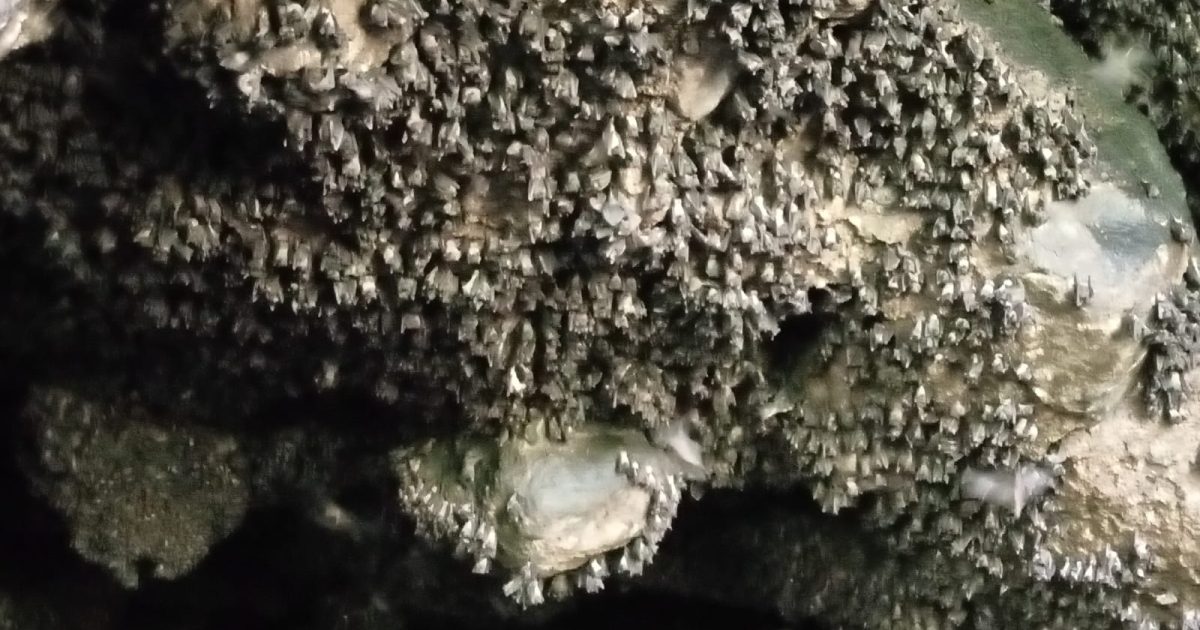
The one-and-a-half-kilometer cave, located along the cliffs of River Maara in Kanoo village, Ganga Ward, is home to nearly one million bats of different species.
The site, which has existed for many years, is now attracting conservation efforts aimed at protecting the nocturnal mammals and promoting eco-tourism.
Speaking at the site recently, Inanduru Heritage Conservancy Site Chief Executive Officer and founder Anderson Kimathi said the community had taken steps to conserve the cave and create a suitable environment for the bats by planting trees around the area.
“We have taken the initiative to take care of this once neglected and isolated site by planting trees to make the area conducive for the bats. We want to preserve the cave and ensure the bats do not become extinct because this site is an economic boost not only for this locality but also for Tharaka Nithi County,” said Kimathi.
He said the conservancy is inviting researchers and scientists to study the cave and identify the various bat species inhabiting the site.
He noted that residents who initially viewed the cave as a curse linked to ancestral beliefs had gradually embraced the bats and their ecological importance.
Experts say bats play a critical role in the ecosystem through pollination, seed dispersal and natural pest control by feeding on insects that destroy crops, reducing the need for pesticides.
Local residents are also benefiting economically from bat droppings, commonly known as guano, which are used as organic fertilizer.
Brian Kimathi, a resident, said farmers harvest and sell the manure at Sh500 per 50-kilogram sack due to its high demand among farmers.
“The bat dropping is highly valued because it improves soil fertility and crop production more than many other organic fertilizers,” he said.
Residents now hope the conservation of the cave will attract more tourists, researchers and investors to the area while supporting environmental conservation and sustainable farming.
By Dickson Mwiti and Beatrice Mwende