Environment, Climate Change, and Forestry CS Dr. Deborah Barasa has led a high-stakes inspection of the Nairobi River system, marking a significant escalation in the government’s crackdown on environmental degradation.
The CS also declared that the era of “pollute now, pay later” has officially ended, reaffirming that environmental compliance is a mandatory legal and moral obligation for all industries operating in Kenya
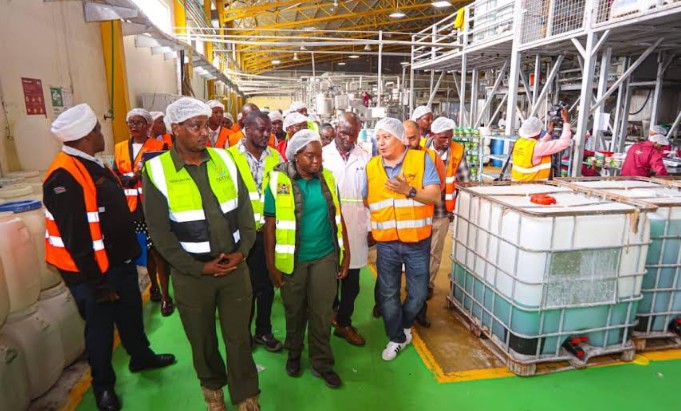
Accompanied by the Director General of the National Environment Management Authority (NEMA) Dr. Mamo B. Mamo, Barasa toured various industrial sites to evaluate the measures taken by the private sector to prevent the discharge of harmful effluents into the city’s primary waterways.
During the visit, the CS emphasized that the condition of the Nairobi River has evolved from a mere environmental worry into a critical, measurable challenge that directly threatens the health of the ecosystem.
The inspection highlighted a sobering scientific reality, where the river system is currently overwhelmed by a cocktail of industrial chemicals, raw sewage from informal settlements, and hazardous stormwater runoff.
It is estimated that over 70 per cent of the wastewater generated within Nairobi is released into the environment entirely untreated, a fact that Barasa identified as a primary driver of the ongoing crisis.
In response, a directive was issued to NEMA to move beyond simple acknowledgment and begin a phase of uncompromising enforcement, targeting all facilities that have long allowed industrial negligence to dictate the health of the river.
To address these systemic failures, the CS outlined a strict “zero tolerance” policy for specific violations that will now trigger immediate sanctions and facility closures.
Key among these is the operation of any facility without a functional effluent treatment plant or the use of treatment systems that fail to meet national discharge standards.
“The Ministry is targeting the open burning of waste, a practice prohibited under the Air Quality Regulations of 2024 due to the release of carcinogenic dioxins, and the failure to implement proper waste segregation using color-coded bins as mandated by the Sustainable Waste Management Act of 2022,” said Dr. Barasa.
The CS also addressed the broader responsibilities of producers and the importance of ecological buffers. Under the Extended Producer Responsibility (EPR) Regulations, companies are legally required to take responsibility for the waste their products generate, and the Ministry has called for better incentivization of waste pickers within this value chain.
Additionally, the enforcement of riparian setback lines between 6 and 30 meters was emphasized as essential for natural flood control and water filtration.
By Joseph Ng’ang’a