The Ministry of Agriculture and Livestock Development has reaffirmed its commitment to supporting the National Biosafety Authority (NBA) in regulating genetically modified organisms (GMOs) and promoting the adoption of modern biotechnology to enhance Kenya’s food security and agricultural productivity.
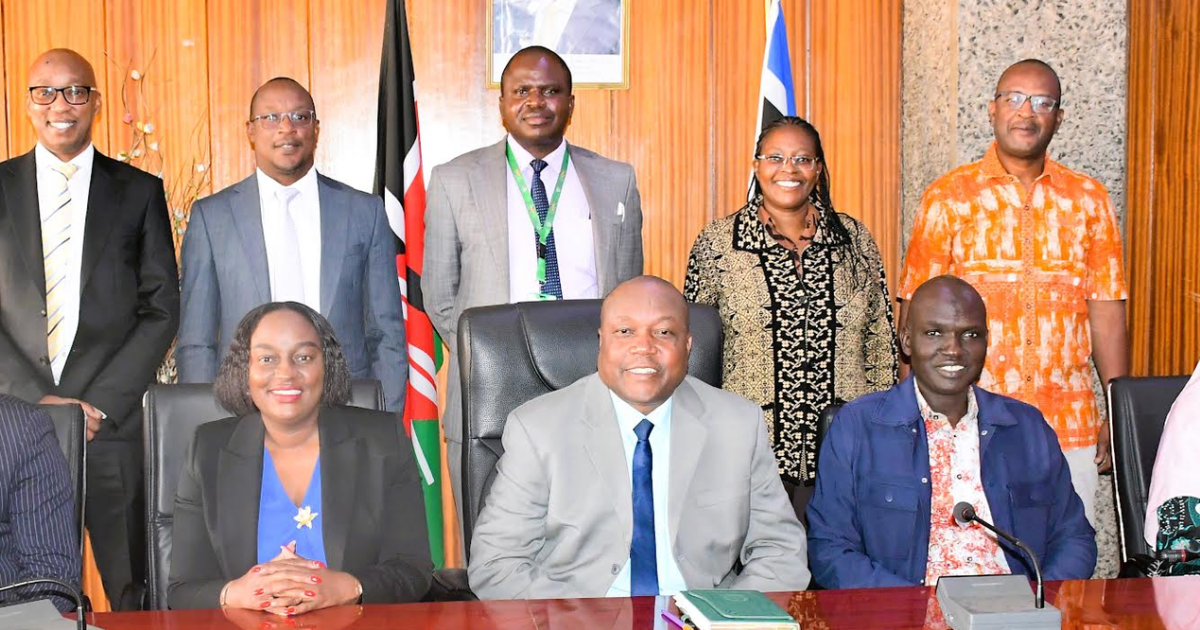
Speaking at Kilimo House in Nairobi during a courtesy call by a visiting delegation from Senegal’s National Biosafety Authority, the Director of Crop Resources, Agribusiness and Market Development, Douglas Kangi, who represented the Principal Secretary for the State Department for Agriculture, Dr. Paul Ronoh, underscored the critical role played by the NBA in ensuring Kenya achieves food and nutrition security.
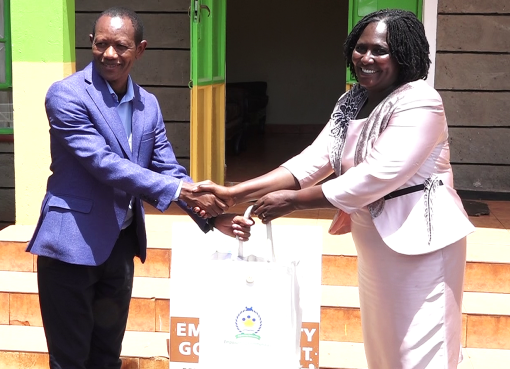
The Senegalese delegation was led by Director General Prof. Aliou Ndiaye and included General Secretary Dr. Colonel Lamine Kane and Ms. Aïssatou Ndiaye. They were hosted by Kenya’s National Biosafety Authority, led by Acting Chief Executive Officer Dr. Ann Karimi, alongside Directors Josphat Muchiri and Nehemiah Ngetich.
“As a country, we continue to face challenges such as drought and pest infestations. As a Ministry, we have a responsibility to ensure that all Kenyans are food secure.
However, productivity across the agricultural value chain remains low, which is why we are embracing emerging technologies to bridge these gaps,” Kangi pronounced.
He challenged the Authority to intensify public awareness campaigns across the country to counter misinformation and disinformation about GMOs, which continue to undermine public trust and confidence.
“There is still a negative public perception of GMOs. As a Ministry, we will continue to support your public awareness efforts across the country,” he added.
The Director also welcomed the collaboration between the Kenyan and Senegalese biosafety authorities and called for the development of a continental framework for the regulation of GMOs to strengthen biosafety governance across Africa.
In her remarks, the NBA Ag. CEO thanked the Ministry for its continued support to the Authority in advancing its mandate of ensuring the safe development, transfer, handling, and use of genetically modified organisms.
Prof. Ndiaye on the other hand expressed his appreciation for the warm reception and the partnership between the two institutions, noting that the Senegalese delegation had gained valuable insights from Kenya’s experience in regulating GMOs.
Meanwhile, the benchmarking visit seeks to share Kenya’s experience in biosafety legal, policy, and institutional frameworks; facilitate the exchange of knowledge on GMO application review, risk assessment, decision-making, inspection, and post-approval monitoring; demonstrate the role of GMO testing laboratories in biosafety regulation and trade facilitation; showcase confined field trial management practices; and identify priority areas for collaboration, capacity building, and possible formal cooperation between the two biosafety authorities.
By Michael Omondi