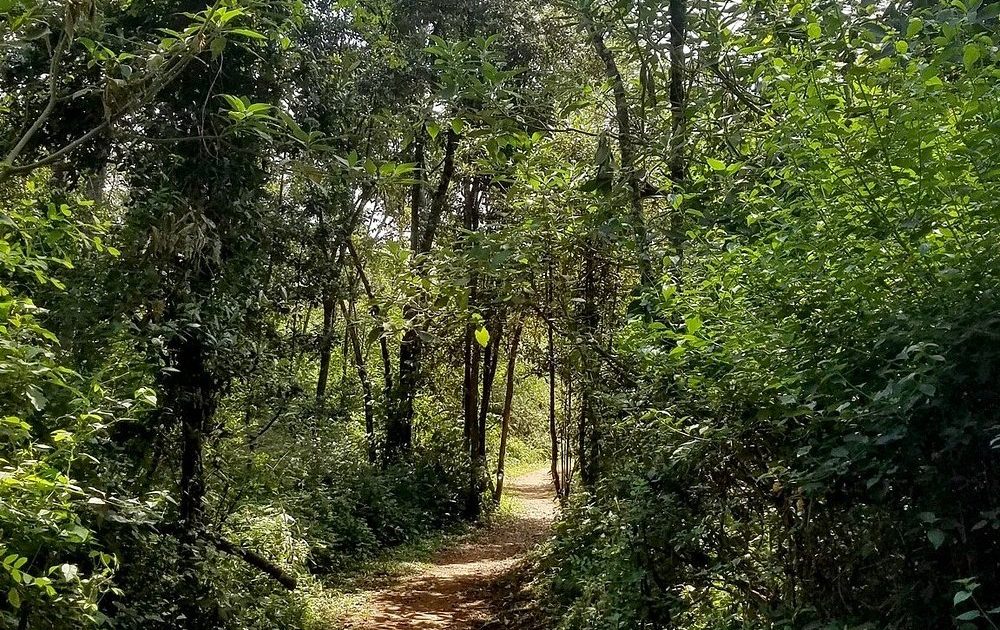
The Green Belt Movement (GBM) has strongly condemned the proposed amendment to Section 56(2) of the Forest Conservation and Management Act, 2016, saying it could open the door to widespread destruction of public forests across the country.
The environmental organization said the amendment seeks to grant the Kenya Forest Service authority to issue easements for public roads, utilities, and other public installations within protected forest areas.
In a press release, GBM cited ongoing developments within Ngong Road Forest as an example of increasing commercial encroachment into public forests.
“At the Ngong Road Forest, we are witnessing increased commercial encroachment through the ongoing construction of a luxurious hotel using early entry permits and administrative approvals that ignore environmental safeguards and public participation,” the organization stated.
The organisation also raised concern over plans to allocate 10 hectares of forest land for the construction of a road linking Bomas of Kenya and Talanta Stadium. “This is not a coincidence; it is a pattern where first comes a road, then utilities, then temporary access, and eventually commercial developments,” the statement added.
The Movement warned Kenyans against being misled by the terms “public utility” and “public installation”, arguing that the amendment would legalize deforestation for infrastructure and commercial interests.
“This amendment is not innocent. It aims to fully legalize the destruction of public forests for roads, infrastructure, utilities, and commercial developments that will lead to eventual environmental degradation,” the organization claimed.
It referenced a similar dispute in 2024 involving Karura Forest, where there was an attempt to excise 51.64 hectares for the expansion of Kiambu Road stating: “It took public outrage, legal action, and court intervention to stop the destruction. The court ultimately restricted the allocation and exposed serious procedural irregularities and lack of public participation.”
The organization further argued that the proposed changes violate constitutional protections for public forests. “The Constitution of Kenya is clear that public forests are public land held in trust for the people of Kenya. This amendment undermines constitutional protections, weakens oversight, and creates opportunities for abuse, corruption, and irreversible environmental destruction,” the statement said.
The proposed amendment to Section 56(2) seeks to introduce the following clauses; easement for public roads and other public installations and way leaves for public utilities.
The Movement said the proposal comes at a time when Kenya is already grappling with the effects of climate change, including drought, flooding, rising temperatures, and water insecurity.
“At a time when Kenya is facing climate change and environmental crises, weakening forest protections is reckless and irresponsible,” the organization decried.
It called on Kenyans, civil society groups, faith leaders, environmental defenders, professionals, students, and communities across the country to reject the amendment in entirety.
The Green Belt Movement (GBM) is a renowned environmental conservation grassroots organization in Kenya, founded in 1977 by Nobel Laureate, the late Professor Wangari Maathai.
It empowers communities, especially women, to combat deforestation, poverty, and environmental degradation by planting trees.
by Eugene Ngigi