The Agricultural Society of Kenya (ASK) has affirmed its commitment to promote climate-smart agriculture and trade initiatives ahead of the Kitale National Show.
Kitale Show Branch Manager Emily Awor said the show would focus on climate-smart agriculture and showcase innovations aimed at helping farmers adapt to the effects of climate change while improving food production.
“We welcome everyone to come and learn how to farm and deal with climate change and hunger,” she said.
Awor said more than 10 exhibitors were expected to participate in the show for the first time, with new entrants drawn from sectors, including irrigation, organic fertiliser, education, manufacturing and retail.
The four-day event, to be held from October 7 to 10 under the theme “Promoting Climate Smart Agriculture and Trade Initiatives for Sustainable Economic Growth”, will bring together players from agriculture, manufacturing, banking, small and medium enterprises (SMEs), development organisations, retail and other sectors to showcase products, technologies and services.
The exhibition is expected to provide opportunities for businesses to market their products, close sales, conduct market surveys, benchmark against other industry players, build networks and strengthen their brands.
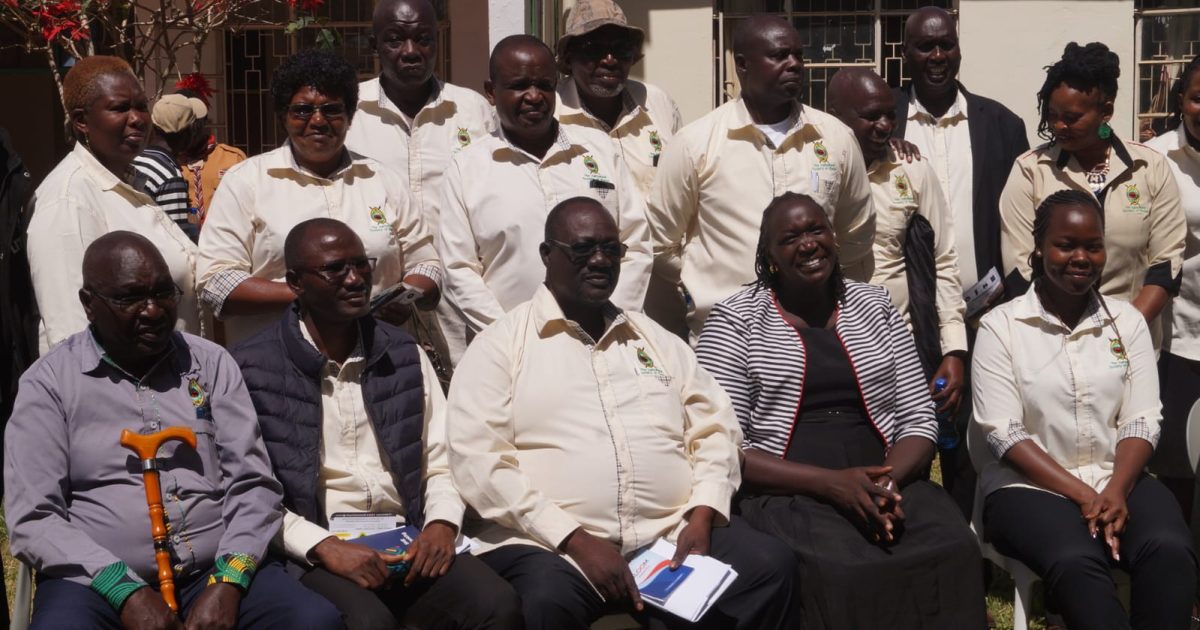
Speaking during the stakeholders’ breakfast meeting at the Kitale National Showgrounds, Assistant County Commissioner (ACC), Risper Kitum, said the exhibition would provide an important platform for farmers, businesses and other stakeholders to learn, network and adopt new technologies to improve agricultural production.
“Last year I attended this show, and I learned something from a primary school that was showcasing a kitchen garden. When I went back to my residence, I decided to establish a kitchen garden, and it is doing very well. It has helped me reduce some costs,” she said.
Kitum urged farmers and other stakeholders to attend the exhibition and implement knowledge gained from the various displays.
ASK Kitale Show Marketing Specialist Fredrick Kemboi Tarus said more than 100 exhibitors were expected to participate in this year’s event.
“Last year we had about 80 exhibitors, and this year we are expecting 100 or more exhibitors to display their exhibitions, so it’s an improvement,” he said.
He urged farmers, students, businesses and members of the public from Trans Nzoia and neighbouring counties to attend the exhibition and take advantage of the technologies, products and services on display.
“I want to invite everyone to attend because farmers will have an opportunity to interact directly with agricultural suppliers, learn about new technologies and place orders for products from the showground,” he stated.
He cited seed companies, including Kenya Seed, Western Seed and SeedCo, which are expected to participate in the exhibition and urged farmers to take advantage of the agricultural technologies and services that will be showcased.
Stakeholders at the meeting also called on farmers to move away from overreliance on rain fed agriculture and embrace irrigation and other technologies to cope with increasingly unpredictable weather patterns, noting that changing rainfall patterns had made agricultural production more challenging, and requiring farmers to explore alternative methods of sustaining production.
Moses Sekina Makoha, a stakeholder from Bungoma, said crop diversification could help communities cushion themselves against food shortages caused by prolonged dry spells.
“We need people to try to diversify the way we are doing things in farming, so that we don’t rely so much on maize,” he said.
Makoha encouraged farmers to explore crops such as sorghum and cassava and use agricultural exhibitions as learning platforms to identify crops and technologies suited to changing climatic conditions.
Last year’s show attracted more than 80,000 visitors, according to officials, with organisers expecting attendance to increase this year.
The organisers urged farmers, businesses, students and members of the public to attend the exhibition and use the platform to learn about new technologies, establish business linkages, market their products and explore opportunities across the agricultural and trade sectors.
By Isaiah Nayika and Sandra Omondi