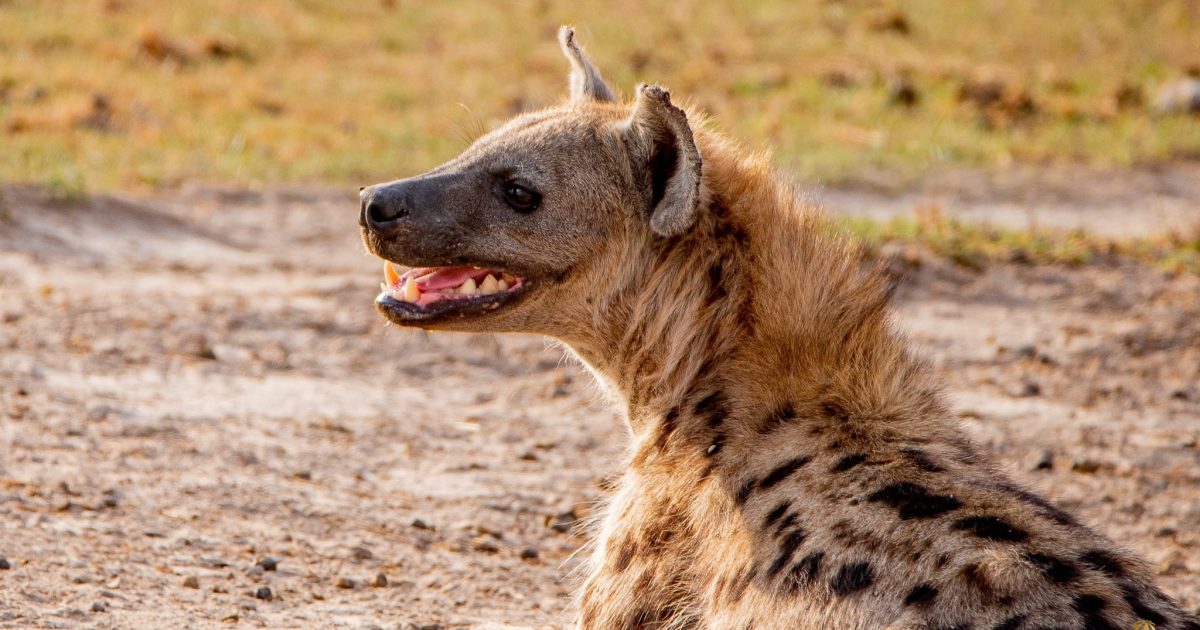
The Kenya Wildlife Service (KWS) has issued a high-level public health advisory following an incident in Kamenu, Thika West, where residents reportedly killed and butchered a hyena that had been scavenging on discarded poultry waste.
KWS officials warned the public of severe health risks associated with handling or consuming such wildlife, noting that scavengers are often carriers of dangerous pathogens.
According to KWS reports, the incident occurred over the weekend when a hyena was spotted within a residential area. Despite the deployment of a wildlife response team, members of the public intercepted and killed the animal before it could be secured.
The agency reported that parts of the carcass, including internal organs, were taken away by residents before authorities could fully assess the scene.
In a statement issued through its official social platforms, KWS strongly prohibited the handling or consumption of the hyena meat, warning that such actions bypass essential food safety and veterinary inspections.
“Anyone exposed to this carcass is at serious risk of infection. Wildlife must never be consumed outside regulated systems,” the agency stated.
KWS further warned that scavengers such as hyenas are potential carriers of rabies, anthrax, brucellosis, and other severe zoonotic diseases that can be transmitted from animals to humans.
The agency emphasised that rabies remains one of the most dangerous risks, noting that it is almost always fatal once symptoms appear but is fully preventable if post-exposure treatment is administered promptly.
“Time is critical in managing rabies exposure. Anyone who had contact with the animal must seek immediate medical attention for post-exposure prophylaxis, including wound cleaning, immunoglobulin, and vaccination,” KWS said.
The agency also cautioned that bacterial infections such as anthrax and brucellosis pose serious threats, especially when individuals handle carcasses without protective equipment.
Anthrax, caused by Bacillus anthracis, can lead to rapid tissue destruction and death if not treated early, while brucellosis may result in long-term complications if diagnosis and treatment are delayed.
KWS urged residents to report wildlife sightings immediately instead of resorting to mob action, noting that human-wildlife encounters are often worsened by improper waste disposal that attracts scavengers into residential areas.
“Proper waste management is key to preventing such incidents. Dumped animal waste attracts wildlife into human settlements, increasing risks of conflict and disease transmission,” the statement added.
The agency reiterated that handling wild animals without professional training poses extreme danger and should never be attempted under any circumstances.
Residents who may have come into contact with the hyena carcass have been urged to seek urgent medical screening at the nearest health facility.
KWS reaffirmed its commitment to public safety and wildlife protection, calling for increased vigilance and cooperation with authorities to prevent similar incidents.
By Hellen Lunalo