A senior government official has raised the alarm over a critical funding gap in the Social Health Authority (SHA), revealing that while millions of Kenyans have registered for the new healthcare scheme, a vast majority are failing to pay their monthly premiums, a trend that is now straining the authority’s operations.
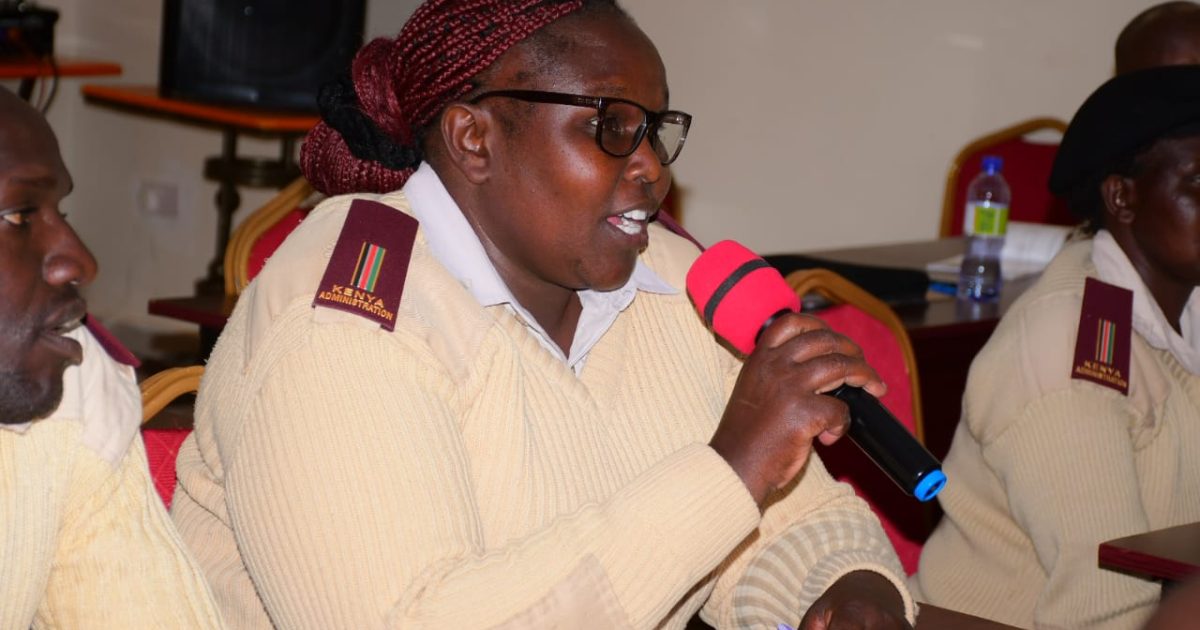
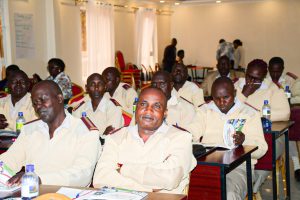
Speaking to chiefs from Keiyo North sub-county during a BETA sensitisation programme, Dr Loice Rono, a medical advisor in the Office of the President, urged local administrators to aggressively sensitise citizens not just on registration but on the necessity of consistent premium compliance.
Dr Rono expressed regret that a significant portion of non-salaried Kenyans have adopted a culture of only paying their dues when they fall ill and require immediate admission or treatment.
“It is common for non-employed Kenyans to pay, for example, Sh6,000 in annual payments just so SHA can clear a hospital bill that runs into hundreds of thousands of shillings,” Dr. Rono observed.
She warned that this practice defeats the insurance principle of pooling risks and leaves the authority financially strained when trying to offer comprehensive medical coverage.
She was responding to the chiefs who noted that many citizens are resisting the premium rates which shifted from the flat Sh500 rate under the defunct National Hospital Insurance Fund (NHIF) to a means-tested system.
However, Dr. Rono emphasized that the government has built-in relief measures, saying for those unable to pay a lump sum, there is the Lipa Pole Pole (pay-as-you-go) instalment plan now available within the SHA system.
“Any individual who feels their means-tested valuation is unfairly high retains the right to lodge an official appeal with the authority for reassessment,” she said.
The advisor cautioned Kenyans against providing false information during registration to evade higher brackets, revealing that the state possesses robust, cross-referenced data infrastructure to ascertain real household incomes.
“The government has data which it relies on when allocating each individual a premium apart from the information provided,” Dr. Rono said, citing M-Pesa transaction histories and the subsidised fertiliser programme registry as primary benchmarks.
“M-Pesa transactions can give us an estimate of how much you earn given the amount transacted daily or monthly.”
While 32.3 million Kenyans have successfully registered with SHA, only an estimated 5 million members are actively remitting monthly premiums. This leaves a staggering 80% of the registered population relying on a tiny pool of active contributors, mostly formal salaried workers, creating severe cash flow pressures that slow down hospital claim settlements and threaten the sustainability of specialized care.
Addressing the same forum, Elgeyo Marakwet Youth County Director Alex Oyuga reminded residents to clear their outstanding Hustler Fund loans. Oyuga clarified that the fund is not a government grant but taxpayer money intended to revolve through the community to cushion small traders against predatory shylocks.
Dr. Rono urged residents to tap into the government’s Affordable Housing Program through the Boma Yangu portal, pointing out that citizens can purchase the subsidised homes in any major city across the country as a long-term investment or a rental income stream for their families.
By Alice Wanjiru