Habitat for Humanity Kenya has called for closer coordination between the government and other stakeholders to address the country’s housing crisis through the adoption of modern, affordable construction technologies.
The NGO, which has operated in Kenya for 45 years and built hundreds of housing units for vulnerable groups, noted that many Kenyans in both rural and urban areas still live in poorly constructed homes lacking basic amenities such as water and sanitation.
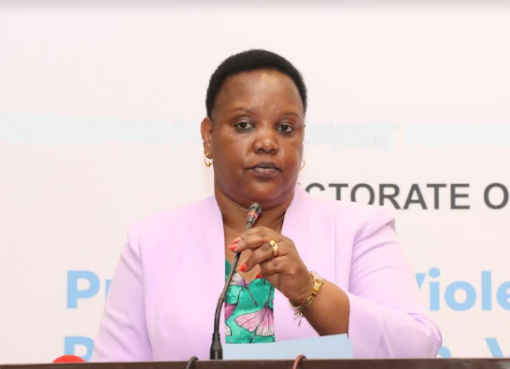
Speaking in Nanyuki Town, Laikipia County, during a Housing Innovation Forum and Expo, Habitat for Humanity Kenya National Director Eileen Mokaya urged stakeholders to embrace innovative technologies that use locally available materials to reduce construction costs by up to 25 per cent while still delivering decent housing.
“Always the cost of transporting materials is higher than the commodity itself. That is the beauty of these technologies, because you are able to make construction materials on site, thereby cutting down expenses,” said Mokaya.
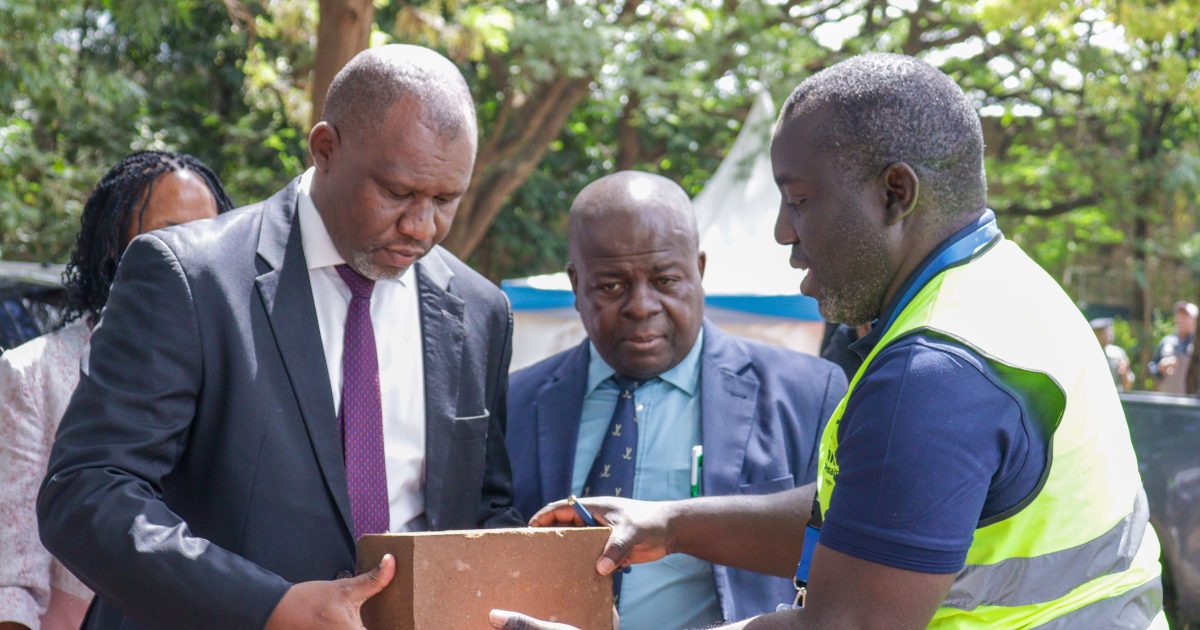
She highlighted innovations such as Compressed Soil Blocks (CSB) and Interlocking Stabilized Soil Blocks (ISSB), noting that they also promote participation of youth and women in housing-related enterprises while supporting environmental conservation.
“The advantage of the construction technologies you have witnessed is that you are able to use locally available materials to build and at the same time encourage environmental conservation,” she said.
During the one-day expo themed “Catalyzing Sustainable Demand for Alternative Building Technologies,” Mokaya urged both county and national governments to engage youth and women groups as key players in addressing housing needs.

She said Habitat for Humanity Kenya has operated in Laikipia for several years and continues to support integrated programmes aimed at promoting holistic community development and ensuring access to decent housing for all.
The organization has also trained youth and women groups to form social enterprises that produce and sell locally made building materials to earn a livelihood.
Laikipia Deputy Governor Reuben Kamuri noted that while affordable housing technologies exist, land ownership challenges remain a major barrier to adequate housing in the county.
He said the county government has partnered with Habitat for Humanity Kenya to improve access to land documentation and surveying services.
Kenya continues to face a significant housing deficit driven by rapid urbanization, limited access to mortgage financing and high construction costs.
According to the 2019 Kenya Population and Housing Census, the country had a deficit of 14.7 million habitable rooms. A 2023/2024 housing survey further showed that home ownership stands at 22.8 per cent in urban areas and 85.5 per cent in rural areas.
By Muturi Mwangi