The Nakuru County Assembly is actively strengthening the agriculture sector through a combination of increased budget allocations, targeted legislative reforms and stricter policy oversight.
The clerk to the Assembly Mr Joseph Malinda said the Assembly has enacted several legislations, policies and frameworks to shift from conventional farming to climate-resilient, eco-friendly and economically viable systems.
These regulatory frameworks, according to Mr Malinda, address the intersections of food security, climate change and environmental protection and singled out the recently operationalized Nakuru County Agroecology Policy which he described as a farmer-led initiative that guides agricultural transformation by promoting organic soil fertility, composting, minimal tillage and agrobiodiversity.
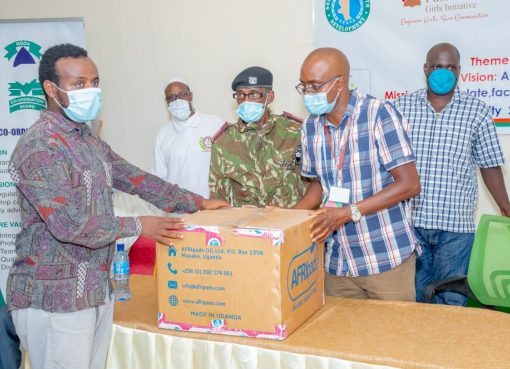
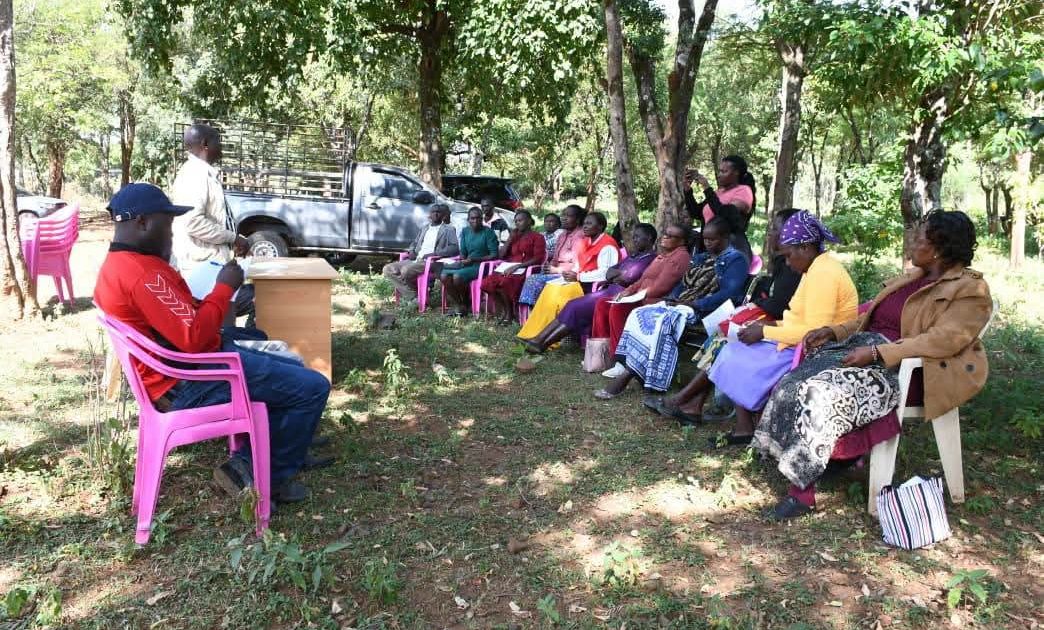
Speaking during an agroecology symposium held for small holder farmers at the Agricultural Society of Kenya grounds in Nakuru, the Clerk explained that the policy is aimed at providing proper legal policies and strategies that support and allow the adoption and promotion of agroecology.
“The policy strengthens local food systems, empowers smallholder farmers, boosts climate resilience through nature-based solutions and aligns county agricultural strategies with national and global sustainability goals.
Mr Malinda pointed out that agroecological practices offer numerous benefits beyond just farming; they significantly reduce pollution, conserve water and protect natural habitats, ultimately contributing to the overall health and ecological balance of the ecosystem.
He pledged that the House will remain focused on ensuring policies and public investments translate into improved livelihoods for farmers and sustainable agricultural growth.
“Our role is to provide the legislative and oversight framework that enables agriculture to thrive and delivers value to the people of Nakuru,” said Mr Malinda.
He indicated that the Assembly has been working on motions to earmark budget lines for Climate Smart Agriculture, including water harvesting infrastructure, drought-resistant seeds, farmer training programs and strengthening extension services by ensuring that the County Government is properly funded to train frontline agricultural extension officers, translating scientific information into practical advice for local farmers.
Mr. Malinda explained that the Nakuru County Sustainable Forest Management and Landscape Restoration Policy and Bill, 2026 was a legislative framework designed to legally protect vital agricultural catchment zones across the devolved unit.
“This legislative framework legally protects vital agricultural catchment zones and safeguards the critical Mau Ecosystem and the Lake Naivasha Basin from agricultural encroachment and it establishes strict regulations and resource mobilization channels for integrating commercial forestry with everyday crop and livestock systems. This is to mitigate effects of climate change,” he added.
Agriculture Committee Chairperson Ms Isabella Makori urged farmers and the youth to embrace climate-smart farming and emerging technologies to unlock new opportunities in the sector.
“Agriculture is changing. Innovation, technology and value addition are key to increasing productivity and creating jobs, especially for our young people,” said Ms Makori.
The Chairperson who is also the Subukia Ward Member of County Assembly (MCA) said they were encouraging public-private partnerships geared towards increasing uptake of climate-smart innovations and technologies by small holder farmers to help them reduce production costs and boost their incomes.
She reiterated the County Assembly’s commitment to encouraging sustainable farming practices in its policies and budget to ensure food and nutrition security and build resilience against climate change shocks.
Ms Makori indicated that they were working on empowering farmers through climate-smart agriculture and diversification and promoting fruit farming towards improving nutrition and creating sustainable sources of income in the region.
She stated that they were partnering with various State agencies, local and international firms and research institutions to strengthen the capacity of both small holder and large-scale farmers in practicing sustainable agriculture towards improving crop yields, stimulating the economy and helping mitigate climate change.
She underscored the need to train small holder farmers on new climate smart farming technologies, use of certified pest control drugs and certified seeds.
She observed that climate change has different effects on different geographical regions and crop performance and stated that vulnerable populations are likely to be the most negatively affected.
Ms Makori added “The growing urban populations in Africa drive up the demand for food and this could be achieved if smallholder farmers embrace climate-smart agriculture practices which will cushion them against climate change challenges like drought, floods, pests and diseases.”
The MCA indicated that the 2022-2026 Climate Smart Agriculture Multi Stakeholder Platform strategic plan (CSA-MSP) being spearheaded by the national government, aims to equip farmers with adaptation practices on climate action, geared to increase food production hence, reducing the food prices.
She hailed the County Government for small holder farmer training initiatives on water harvesting, drip technology, use of quality inorganic and organic fertilizers and hybrid seeds and drought tolerant varieties and Integrated Pest Management (IPM).
This, Ms Makori observed, was part of efforts aimed at achieving the United Nations’ Sustainable Development Goal number 2 of ending hunger, achieving food security and improved nutrition, and promoting sustainable agriculture.
“There is an urgent need to increase technical know-how of farmers on Climate-Smart Agriculture approaches, unlock market driven value-chains for youth and women and improve their capacity to participate in productive land and water management and increase the women in agribusiness’ access to finance,” stated the MCA.
She assured residents that they will continue collaborating with other public and private sector partners to ensure farmers access crop varieties that are resilient to drought.
“We are committed to work with research institutions, state agencies and private firms to have our farmers rear more heat-tolerant and disease-resistant livestock breeds that are better adapted to the prevailing tough climatic conditions, and which can feed on fodder more efficiently to reduce greenhouse gas emissions per unit of product (such as milk, meat and eggs, among others),” noted the MCA.
By Jane Ngugi and Jefther Afuyo