Residents of Nakuru can track government projects with ease from the comfort of their gadgets after the County unveiled a portal with real-time information on the progress made.
According to County Director for Information Communication Technology (ICT), Mr Leonard Kirui, implementation of the Geographic Information Systems (GIS)-enabled Project Management Information System (PMIS) will allow for real-time monitoring of completed, ongoing, and stalled projects, thereby reducing duplication and inefficiencies.
Kirui stated that by automating project monitoring, evaluation, and management, the devolved unit’s Administration aims to significantly reduce the operational costs and time delays that comes with physical project tracking
He explained that the system will be integrated with Geographic Information System (GIS) technology, allowing for real-time verification of works through live photo and video updates from project sites.
“Project Management Information System provides an immediate solution to the challenges of tracking and monitoring milestones and offers a crucial platform for capturing public opinion, ensuring that development is not only efficient but also responsive to the needs of the residents,” he elaborated.
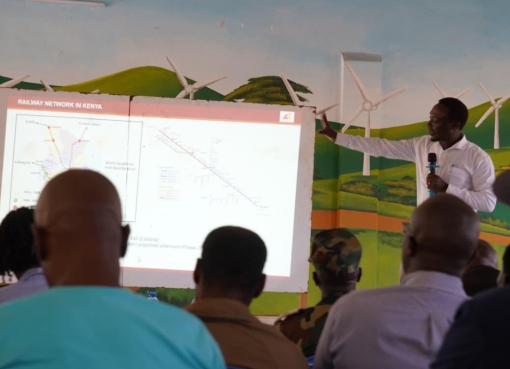
Speaking during inauguration of a technical training program for the implementation of the PMIS, the Director explained that the platform will integrate a citizen feedback mechanism and provide comprehensive information on county projects, enabling residents to monitor the progress and development of projects across the County.
‘Citizens will also have the opportunity to share their views and comments regarding project implementation,’ added the official.
The system will also serve as a central repository for project information, including implementation timelines, progress updates and completion status.
The technical training program is being spearheaded by the County Department of Education, ICT, e-Government, and Public Communication in collaboration with the Directorate of Efficiency and Monitoring and is designed to equip technical teams and key personnel with the skills necessary to digitise the lifecycle of all County projects.
Director for Efficiency and Monitoring Unit, Mr Patrick Kigunda, contended that a well-structured monitoring and evaluation system is crucial for tracking public project progress, identifying challenges and making data-driven decisions that lead to successful project implementation.
He emphasized that effective monitoring and evaluation was vital for ensuring projects deliver intended outcomes and contribute to national development.
The system, he added would also ensure that every shilling spent on public infrastructure projects translates into measurable improvements in governance and service delivery.
“The roll-out of a Project Management Information System (PMIS) is a bold initiative set to redefine how development projects are planned, executed, tracked, and delivered for the benefit of the people,” he added.
Mr Kigunda noted that by embedding transparency, strengthening systems, and leveraging technology, the County is laying the groundwork for sustainable, inclusive, and impactful development.
He said previously the absence of a centralized project database meant that departments operated in silos, thus leading to duplication, inefficiencies and missed opportunities for learning and improvements.
Kigunda explained that the GIS-enabled project management information system will enable real-time tracking, improved coordination, and enhanced transparency.
“This is a system where every project can be tracked, monitored and evaluated in real time. This is how we ensure accountability and better service delivery,” he noted.
He stated that the outcomes of the initiative are expected to be both immediate and transformative with a verified and comprehensive database of all county projects including clear identification of completed, ongoing, stalled and abandoned projects.
The Official observed that success of the project will depend on the active participation of all stakeholders, including the County Departments, the County Assembly, development partners, civil society organisations and local communities.
By addressing fragmented reporting and strengthening data-driven decision-making, Mr Kigunda pointed out that the Project Management Information System will enhance coordination across county departments while building public trust through greater openness and accountability.
Lead Trainer Professor James Njihia noted that the PMIS follows the successful implementation of the Human Resource Integrated Management System (HRIS) and the automated Revenue Collection System.
Professor Njihia further added that the PMIS provides an immediate solution to the challenges of tracking and monitoring milestones and offers a crucial platform for capturing public opinion, ensuring that development is not only efficient but also responsive to the needs of the residents.
by Esther Mwangi