The Kenya National Bureau of Statistics (KNBS) is undertaking nationwide Public Participation forums on the proposed Statistics Bill, 2026, with stakeholders raising concerns over costly research permits, data privacy and the need for more accessible statistics to guide youth employment and national planning.
The proposed law seeks to repeal the Statistics Act of 2006 and transform KNBS into the Kenya Statistics Authority, with expanded powers to collect, analyse and validate official data across the country.
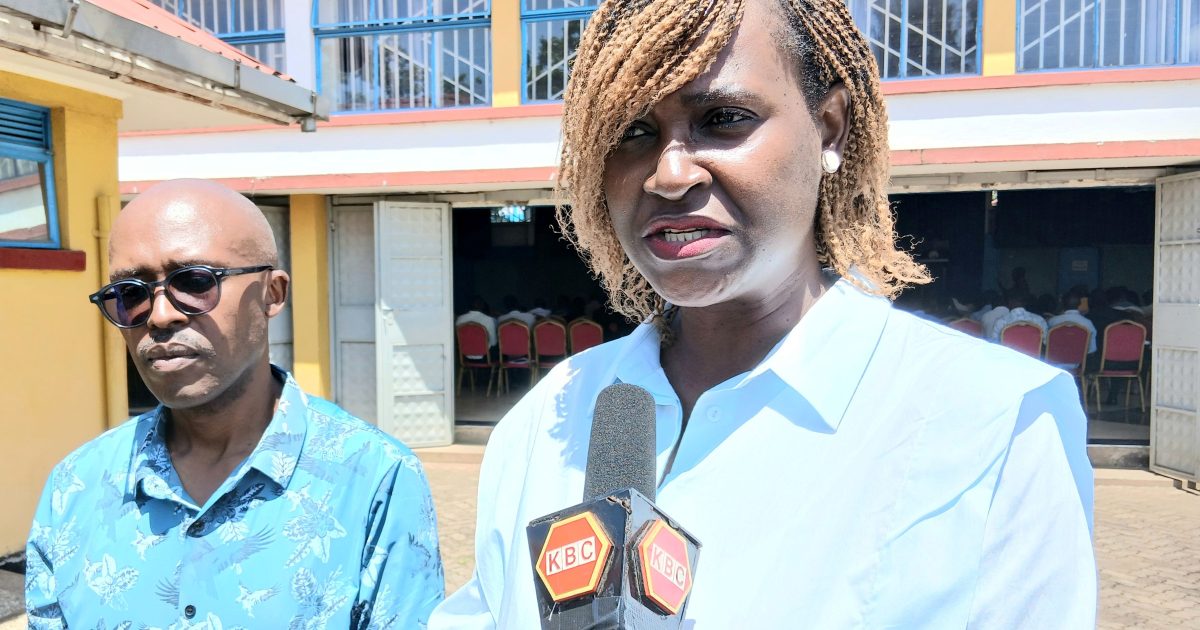
Speaking during the Lake Region Public Participation forum held at Mama Grace Onyango Social Hall in Kisumu on Thursday, KNBS Acting Corporation Secretary Linda Olueny said the Bill aims to strengthen the country’s statistical systems in response to emerging technologies and the growing demand for reliable data.
She said the proposed law would also establish a Statistics Fund to support statistical operations and widen the scope of official data collection to accommodate new producers and users of statistics.
“The statistical space has widened significantly. We now have new producers and users of official statistics, and the Bill seeks to recognise all the data being collected in the country for purposes of informing policy,” said Olueny.
She said public submissions would help shape the final structure of the proposed Authority, including the composition of its Board after concerns were raised that some sectors had been left out.
“We are guided by law in establishing the Board, but the views from the public are very key and instrumental in ensuring the Board is well constituted with progressive minds in the statistical environment,” she said.
Olueny also assured Kenyans that the proposed legislation would strengthen safeguards around confidentiality and data protection.
“The data collected over the years has remained secure and confidential. The proposed legislation will further strengthen that protection with the sensitivity required,” she said.
The Public Participation exercise, which began earlier this month, is expected to end on May 20, although written memoranda would continue being received online and physically at KNBS Nairobi Headquarters until the end of the month.
During the forum, participants criticised the current system that requires researchers and consultants to obtain approvals from multiple regulatory agencies before conducting surveys and field data collection.
Educationist, Dr. Winda Akach argued that the proposed Authority should focus on accessing and managing statistical information, rather than licensing research activities.
“For me, the Statistics Authority should not be given licensing powers. There are already ethical institutions, professional bodies and county administrative structures handling those responsibilities,” she said.
Dr Akach also faulted the current state of public data, saying there was inadequate and outdated information to help young people make informed career choices.
She said the Agency must provide updated labour market statistics, including data on employment opportunities in different professions and subject combinations.
“Learners should know whether the courses they are pursuing can lead to jobs. That data can also help governments avoid spending public funds on training programmes that do not improve the economy,” he said.
A private research consultant, Elisha Otieno of Integrated Broad-based Analytics Research Consultants, called for a streamlined and affordable licensing system for researchers, consultants and non-governmental organisations.
Otieno said researchers are currently forced to seek permits from multiple agencies, including the National Commission for Science, Technology and Innovation (NACOSTI) and sector-specific professional bodies, making the process expensive and confusing.
“We are requesting that research be streamlined so that permits are obtained from one authority instead of several bodies. We also need assurance that our data is protected and all ethics are followed,” he said.
He said licensing fees vary depending on the nature of the project and can be prohibitive for young researchers and consultants entering the field.
“We are requesting the Kenya Statistics Authority ensure these costs are reduced and made affordable to young people and private sector players,” he said.
Otieno also called for tighter regulation of private organisations and NGOs involved in data collection to prevent unauthorised exportation of Kenyan data.
Another participant, Caleb Danga, backed the establishment of a central statistical authority, saying it would help improve accountability and reduce disputes arising from inconsistent national data.
“For a long time we have run the country without a proper authority managing our data. Once there is a mess in data collection, there will also be a mismatch in how resources are distributed,” he said.
Danga cited disputes arising from the 2019 population census, saying inaccurate statistics could affect revenue sharing among counties and national planning.
He also called for greater transparency in the collection and use of personal data.
“I must know what my data is being collected for, who is collecting it and what it will be used for,” he said.
Danga further urged KNBS to provide regular public reports on economic trends, land value changes and employment projections, to help guide investment and development decisions.
According to the KNBS Public Participation schedule, the forums are being conducted in regional clusters covering all counties, with meetings held in Nairobi, Makueni, Embu, Nakuru, Eldoret, Bungoma, Kisumu, Kisii, Mombasa and Isiolo.
by Chris Mahandara