The County Government of Nakuru is developing a comprehensive Culture and Arts Policy aimed at transforming the creative arts sector from an informal space into a structured economic industry capable of generating employment, protecting artists’ rights and promoting cultural heritage.
The draft policy seeks to establish systems for monetizing creative talent, safeguarding intellectual property, improving access to financing and creating training opportunities for artists and cultural practitioners across the county.
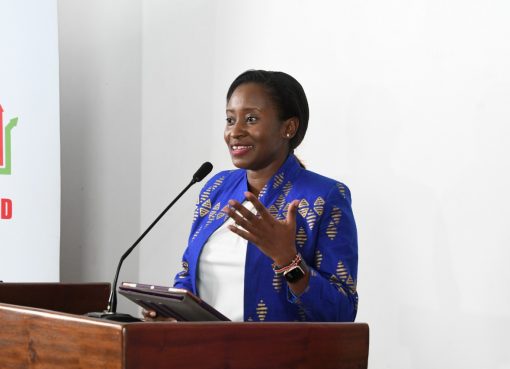
Deputy Governor, Dr David Kones, said the policy, being developed in collaboration with GoDown Arts Center, will provide a framework to preserve Nakuru’s diverse cultural identity, traditional practices and historical heritage while promoting creativity and innovation.
He said culture and creative industries should no longer be viewed only as entertainment but as important drivers of economic growth, youth empowerment and sustainable development.
“A robust culture policy will help unlock the enormous economic benefits in the creative and cultural industry beyond financial gains. It will drive growth that reaches our artists, entrepreneurs and young people across the county,” said Dr Kones.
The Deputy Governor said the policy is anchored on the Constitution of Kenya, Vision 2030 and regional and international frameworks that recognize culture as a pillar of national cohesion and development.
He noted that Article 11 of the Constitution recognizes culture as the foundation of the nation and the cumulative civilization of the Kenyan people.
According to Dr Kones, the policy will help the county document and protect cultural heritage, support cultural festivals, preserve historical sites and safeguard indigenous knowledge for future generations.
The framework will also support artists through targeted capacity-building programmes, including training, mentorship, workshops and opportunities to access local and international creative networks.
“Our artists and creatives will benefit from targeted capacity building through training programmes, mentorship, workshops and access to elite networks, enabling them to compete both nationally and internationally,” he said.
Nakuru’s move comes two years after the county was designated a UNESCO Creative City of Crafts and Folk Art, making it one of the few cities globally recognized for its commitment to placing culture and creativity at the centre of development.
Dr Kones said the UNESCO recognition requires the county to adopt evidence-based cultural policymaking and strengthen partnerships among government agencies, private sector players and communities.
He said the policy will reposition Nakuru’s creative sector as a key pillar for youth employment, cultural entrepreneurship and urban development.
The draft document addresses challenges affecting creatives, including copyright protection, access to finance, infrastructure development, market access and fragmented support systems.
Among the proposed interventions is the establishment of an Art Fund and management framework, which will provide financial support to creative practitioners. The policy also proposes improving skills development, enhancing resource capacity, promoting technology use and documenting Nakuru’s cultural heritage.
Dr Kones said the county’s creative economy already contributes significantly to Kenya’s creative Gross Domestic Product, with Nakuru ranked among the top-performing counties after Nairobi and Mombasa.
He added that the creative sector has the potential to generate more employment opportunities, particularly for young people, while supporting innovation and economic growth.
The United Nations Educational, Scientific and Cultural Organization (UNESCO) has emphasized that culture plays a central role in sustainable development, social cohesion and shaping communities’ identities.
Dr Kones observed that Nakuru’s recognition as a UNESCO Creative City provides an opportunity for the county to strengthen cultural industries and create platforms where artists can benefit economically from their work.
In 2024, the Kenya National Commission for UNESCO (KNATCOM) and the Kenya National Bureau of Statistics (KNBS) selected Nakuru as a pilot city to map cultural heritage and creative industries and assess their contribution to the local economy using the UNESCO 2030 Culture Indicators Framework.
Kenya’s creative sector has continued to grow, contributing approximately five per cent to the country’s Gross Domestic Product. The industry includes fashion, film, music, design, digital art, photography and other creative fields that provide employment and promote cultural expression.
However, despite its potential, the sector continues to face challenges such as limited funding opportunities, inadequate infrastructure and weak support systems.
Dr Kones said Governor Susan Kihika’s administration recognizes the value of the arts and is committed to supporting the continued growth of the creative economy.
He noted that the creative industry aligns with the fifth pillar of the Bottom-Up Economic Transformation Agenda (BETA), which seeks to transform creativity into a sustainable sector that supports decent livelihoods.
He said the time had come for creatives to earn meaningful incomes from their talents, adding that government interventions would help protect intellectual property and create more opportunities for artists.
The Economic Survey 2023 identified arts, recreation and entertainment as contributing about five per cent of Kenya’s GDP and playing a role in employment creation and improved quality of life.
Dr Kones said supporting the creative sector would enable the county to nurture innovation, address unemployment and build a stronger cultural identity for Nakuru residents.
By Esther Mwangi