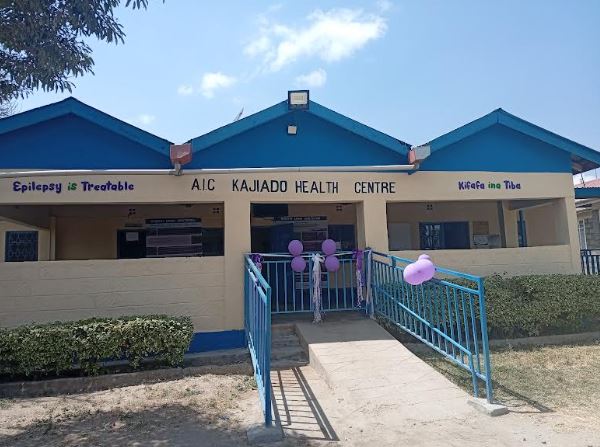
A new specialized epilepsy clinic has been opened at the AIC Child Care Centre in Kajiado County, offering renewed hope to people living with the condition through improved access to treatment, medical support and awareness services.
The facility, established through a partnership between the Kenya Association for the Welfare of People with Epilepsy (KAWE), the County Government of Kajiado and the United States-based BAND Foundation, aims to bridge the treatment gap and address stigma associated with the neurological disorder.
Speaking during the launch, BAND Foundation Trustee Ms Gardner Lapham said increased public awareness would encourage more people living with epilepsy to seek medical attention.
Ms. Lapham said many people continue to suffer due to misconceptions surrounding the condition, which has prevented them from seeking proper medical care.
“Once people understand that epilepsy is a treatable medical condition, they will actively seek care. Simple medicine can truly transform and save lives in a very affordable way,” said Ms. Lapham.
During the launch, community members participated in a “Stigma Bench” session, which provided an opportunity to challenge cultural beliefs associated with epilepsy and promote understanding that the condition is a brain disorder requiring medical care rather than a curse or contagious illness.
KAWE Chief Executive Officer (CEO) Patrick Ng’echu said the opening of the clinic was a major milestone in the organization’s 40-year history of creating awareness and providing care for people living with epilepsy.
“This clinic opening marks a major milestone in KAWE’s 40-year history of offering public education and managing epilepsy clinics across the country,” said Mr. Ng’echu.
He said the location of the facility at the AIC Child Care Centre would enable patients to receive holistic care, as the centre already supports children with neurological conditions, including cerebral palsy and autism.
He said KAWE currently supports 25,000 active patients in Nairobi through its primary care model, adding that Kajiado had become the 24th region to benefit from its decentralized outreach programme.
Mr. Ng’echu said investment in epilepsy management has economic benefits since patients who receive proper care are able to return to school, work and engage in other productive activities.
“For every single shilling invested in managing epilepsy, there is an estimated five and a half shilling return on investment to the economy as patients regain control of their lives and productivity,” said Mr. Ng’echu.
He urged county governments to allocate resources towards neurological disorders, noting that epilepsy remains among the conditions that receive limited attention despite affecting many people.
KAWE Clinical Officer Nicholas Otieno said the new facility would provide a permanent referral point for patients who have struggled to access specialized services.
“About one in every 18 Kenyans is estimated to suffer from epilepsy. Despite this high prevalence, the national treatment gap stands at 80 percent, meaning only 20 percent of patients receive proper medical management,” said Mr. Otieno.
He said many patients who do not receive medical care often turn to traditional healers and spiritual practitioners due to myths and lack of awareness, leaving them vulnerable to exploitation.
Mr. Otieno said stigma continues to affect people living with epilepsy, particularly women, who often face discrimination and isolation due to misconceptions about the condition.
He said affected women often face isolation and discrimination due to misconceptions that epilepsy can be passed to their children.
“Epilepsy is not strictly hereditary, and the belief that women living with the condition cannot have healthy children is medically unfounded,” he said.
Mr. Otieno added that stigma had contributed to some children being hidden from school and adults being denied employment opportunities.
To ensure sustainability of the clinic, KAWE has trained local healthcare workers and community health promoters to identify cases at the community level and support patients through primary healthcare services.
He called on health stakeholders and community leaders to support the programme by ensuring availability of epilepsy medication. He further urged families to bring people living with epilepsy out of isolation and take advantage of available medical services at the facility.
“Families should bring people living with epilepsy out of isolation and take advantage of available medical services at the clinic. Epilepsy is a treatable condition and those affected should not continue to suffer in silence,” he said.
Geoffrey Hinga, a person living with epilepsy, shared his personal experience, highlighting the challenges he has faced since developing the condition at the age of 12.
Mr. Hinga, a trained beautician, said stigma remains a major challenge, particularly when people living with epilepsy seek employment opportunities.
“Many employers think that a person with epilepsy cannot perform duties safely because they fear a seizure might occur at the workplace. As a result, some of us lose opportunities despite being qualified,” said Mr Hinga.
He said there are still very few clinics in Kenya that cater specifically for people living with epilepsy, making it difficult for many patients to access specialized care.
Hinga welcomed the opening of the Kajiado clinic, saying it would provide much-needed support to people living with epilepsy and encourage more patients to seek medical attention.
By Rop Janet