The National Land Commission (NLC) has pledged to intensify efforts to address public land grabbing and historical land injustices, under a new initiative to secure title deeds for public institutions, and specifically prioritising schools.
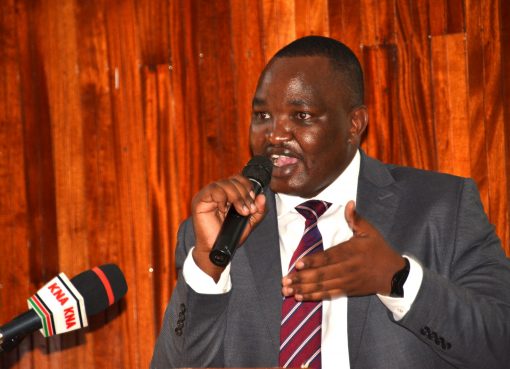
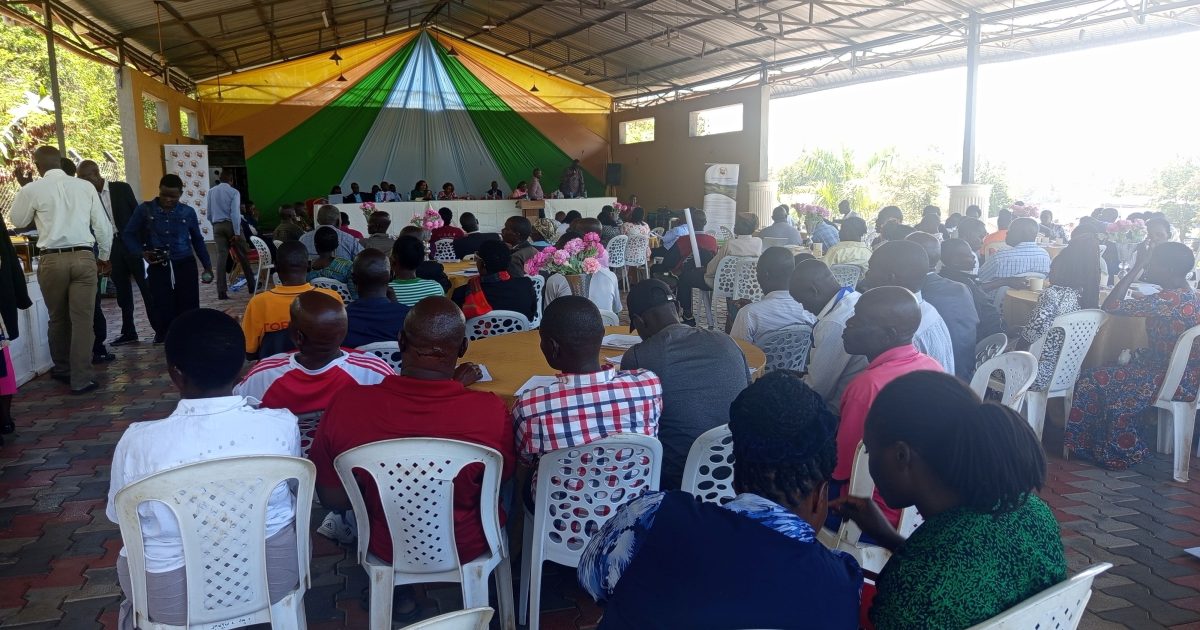
Speaking during a public participation forum in Homa Bay County, NLC Vice Chairperson Dr Julie Oseko said residents had raised concerns over the alleged irregular and illegal acquisition of public land by private individuals, calling for the recovery of such land for the benefit of the public.
The forum brought together participants from Homa Bay, Nyamira, Kisii and Migori counties to discuss draft regulations on the review of grants and dispositions of public land, as well as regulations relating to historical land injustices.
Dr Oseko said the commission was awaiting the completion and gazettement of the regulations to pave the way for hearings and the formal receipt of complaints from affected communities.
She noted that the commission would examine each case on its merits and seek appropriate remedies for longstanding grievances, some of which date back more than a century.
“What we are waiting for is for the regulations to be gazetted. This will open up space for us to conduct hearings and receive complaints,” she said, adding that the commission was committed to finding solutions to the historical disputes.
According to Dr Oseko, public land grabbing is not unique to Homa Bay but a nationwide challenge, with similar concerns emerging from the Coast, Western and northern parts of the country, where the commission has already conducted public engagements.
Dr Oseko attributed public land disputes to several factors, including population growth, increasing demand for land, historical displacement, corruption and fraudulent land documentation.
She observed that while the country’s population continues to grow, the amount of land remains constant, increasing pressure on available resources.
She also noted that some communities had experienced displacement dating back to 1895, with their grievances remaining unresolved for generations.
In some cases, she said, landless people had moved onto vacant public land because they had nowhere else to settle.
“Deliberate land grabbing, the use of fake title deeds, fraud and abuse of public office are also contributing to the problem,” said the vice chair.
Dr Oseko said public education and community sensitisation were necessary to help Kenyans understand their rights, particularly regarding public land, and prevent future disputes.
She argued that communities that are well informed would be able to protect public property and identify irregular dealings involving land.
The commission has also prioritised the protection of school land through an initiative known as the Piga Nduru (Raise the alarm), a campaign that is designed to safeguard, verify and secure title deeds for public school land.
It seeks to address the loss and encroachment of school property.
Dr Oseko noted the initiative aims to ensure that schools across the country acquire title deeds to secure their land and establish the boundaries of their properties.
She explained that proper documentation would help the commission identify cases of encroachment and determine the extent to which school land may have been occupied unlawfully.
“Where investigations establish that land was reserved for a school, the commission would pursue its return to the institution,” she noted.
According to Dr Oseko, more than 20 schools in Homa Bay had already obtained title deeds since the initiative was launched.
Dr Oseko said the commission would work to secure the title deeds for schools as quickly as possible.
She cited possible court cases, negotiations with families and agreements involving communities as some of the factors that could affect the pace of implementation.
“Some school properties were donated by churches, families or individuals, while others were provided by the government, requiring consultations to resolve ownership and boundary questions,” Oseko stated.
Homa Bay is being used as a pilot county for the school land protection initiative, with the commission planning to replicate the approach across the country if it proved successful.
The vice chair emphasised that the commission’s focus on schools was driven by the need to protect children’s learning environments, although the broader goal was to safeguard land belonging to all public institutions.
The initiative comes amid continuing concerns over the security of public land and the need to resolve historical ownership disputes through established legal and administrative processes.
Dr Oseko said the commission remains committed to working with communities and relevant authorities to protect public land, address historical grievances and ensure that public institutions retain the land reserved for their use.
By Sitna Omar