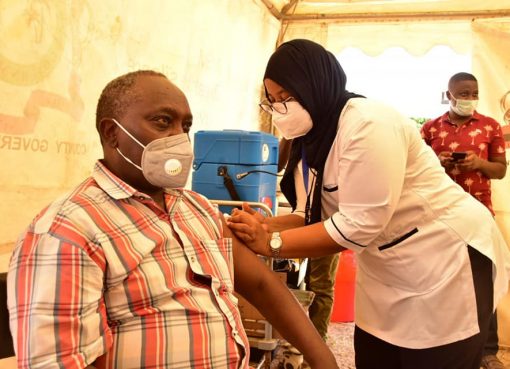
Nakuru County has trained 3,689 health workers to provide specialized mental health support in a move aimed at strengthening community-level mental health services.
The health workers who comprise 3,459 Community Health Promoters (CHPs) and 230 nurses and clinicians are expected to offer first-line support and initial psychosocial care for mental health disorders, raise awareness, and refer affected community members to specialized mental health services where necessary.
County Mental Health Coordinator, Ms Lydia Nyaga said the health workers had undergone extensive training to help them detect and address mental health challenges at the community level, courtesy of an initiative supported by AMREF and Johnson & Johnson (J&J).
The coordinator observed that currently there was a notable increase in referrals by Community Health Promoters (CHPs) of mental health disorders to formal health facilities for further care and specialist support following the training program.
Ms. Nyaga stated that the CHPs were also enhancing continuity of care by following up on referrals, promoting adherence to treatment, and offering basic psychosocial support.
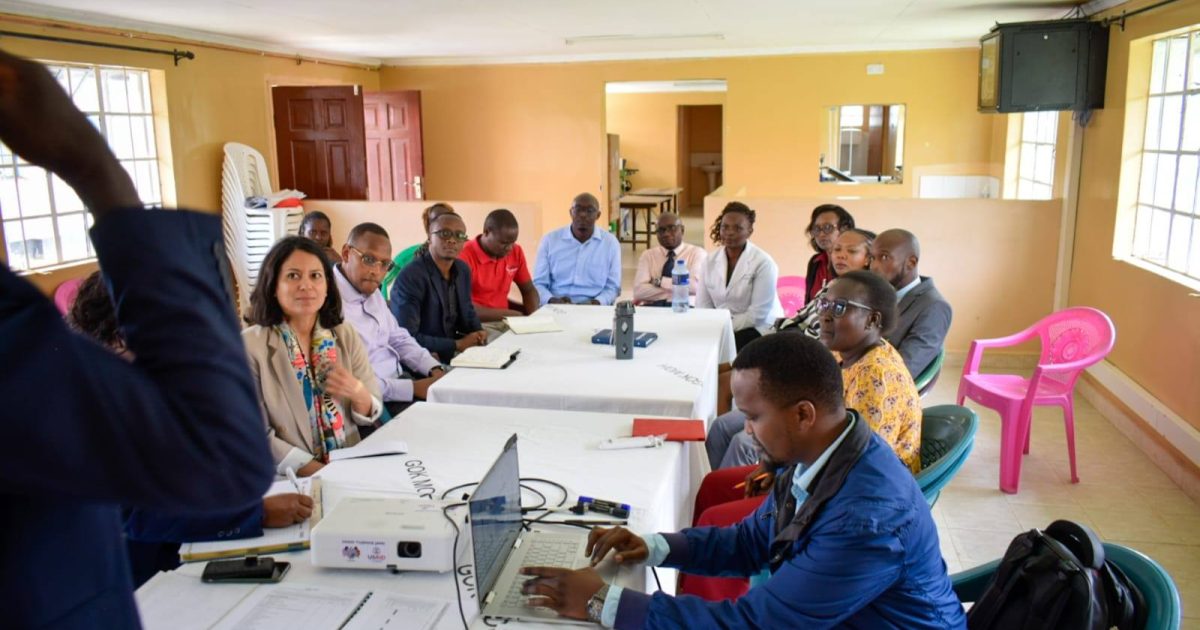
Speaking during a meeting between officials from Department of Health and a delegation from Johnson & Johnson led by the head of Market Access and General Manager for Sub-Saharan Africa Mr Mousannif Sanae and Ms. Nyaga noted that the structured referral pathway strengthened the health system and aligned with recommendations by the World Health Organization to integrate mental health into primary healthcare.
While affirming that Governor Susan Kihika’s administration remained committed to strengthening mental health services and advancing priority interventions to improve community well-being, Ms. Nyaga noted that health workers had been equipped with skills to create awareness and provide accurate information towards reducing the stigma and discrimination associated with mental health ailments.
By training the health workers, the official said the County government had fostered improved health outcomes by strengthening community-level mental health services.
“Community Health Promoters serve as a crucial link between their communities and the formal health system, making essential health services more accessible,” the coordinator indicated.
She said the initiative was also expected to create a more supportive and responsive healthcare environment for both patients and healthcare providers.
The training program facilitated through the electronic Community Health Information System (e-CHIS) platform brought on board the beneficiaries drawn from all the 11 sub-counties within the devolved unit.
The official further explained that the program was part of the County’s strategy focusing on providing support within communities and at workplaces, including training of supervisors to recognize signs of mental health issues and offering appropriate support.
Community Health Information System (e-CHIS) is a digital platform developed and implemented by the government to digitize community health services. It supports Community Health Promoters (CHPs) by replacing paper records with a mobile application for managing household data, tracking patient care, and enabling data-driven decision-making at national and county levels.
E-CHIS is a key component of the national strategy to digitize community health services in Kenya, aiming to improve data accuracy, consistency, and timeliness. It facilitates better data collection, analysis, and reporting for community health workers, supervisors, and health system managers.
Ms. Nyaga pointed out that the training had also focused on providing psycho-educational support and training for health care professionals across all cadres towards promoting free discussion on mental health challenges and empowering members of Kenyan society on how to identify, cope with and respond to mental health concerns.
The Johnson & Johnson delegation were in the county to familiarize themselves with the mental health referral pathway from the community to health facilities.
The team visited households in Bondeni to witness the referral processes in action before proceeding to Bondeni and Gilgil Sub-County Hospitals.
County Pharmacist Dr. Kevin Awere emphasized that CHPs play a vital role in managing mental health conditions by linking communities to formal healthcare services.
He noted that CHPs support early identification of conditions such as Depression, Anxiety Disorders, and substance use disorder, enabling timely intervention, improving access to care especially in underserved areas and reducing stigma through community education.
To create a mentally healthy community, he advised community leaders and superiors at workplaces to understand the unique needs of individuals and interventions needed to protect and promote mental health in homes and workplaces.
He said it was important to open up channels of communication in the community and workplaces as a way of detecting any form of stress among them and was always keen to detect any trigger that may lead to depression, stress or mental illness and act immediately.
The economic burden of mental health issues is staggering; the African Mental Health Research and Training Foundation estimates Kenya loses nearly Sh50 billion ($340 million) annually due to productivity losses linked to mental health challenges.
The Foundation notes that access to mental health services is critically limited in Kenya, which has fewer than 100 practicing psychiatrists for a population of over 53 million.
Most mental health facilities are concentrated in urban centers. The costs of seeking mental health care, combined with cultural stigma, hinder many from accessing the help they need.
According to official statistics from the County Government, schizophrenia, bipolar disorder, major depression, substance use disorders, and neurodevelopmental conditions such as autism and ADHD are the most prevalent in Nakuru.
In Kenya, about 25 percent of outpatient visits and 40 percent of inpatient admissions to health facilities relate to mental health conditions, according to the Ministry of Health.
Conditions such as depression, stress, burnout, anxiety disorders, substance abuse, and post-traumatic stress disorder are prevalent, with 1 in 4 Kenyans likely to experience a mental health issue at some point in their lives, according to statistics from the ministry.
As mental health gains recognition as a public health crisis, international efforts are increasing to address it. The United Nations has included “mental health and well-being” in the Sustainable Development Goals (SDGs), particularly under SDG 3, which focuses on good health and well-being.
While this global spotlight is crucial, experts have indicated that the efforts should be made in translating these aspirations into tangible improvements, especially in resource-limited settings like Kenya.
In Kenya, the Mental Health Amendment Bill 2022 was a step in the right direction, aiming to prioritize mental health and establish a mental health board to advise the government.
However, mental health experts have indicated that legislation alone cannot solve the issue; They hold that increased funding, community engagement, and partnerships across public and private sectors are essential.
Counselling experts have highlighted the need to embrace open and honest conversations within the family unit explaining that seeking professional counselling would help in navigating complex emotions.
A recent study has revealed that many middle- and top-level organizations in Kenya, including Government departments and agencies, are populated by workers who are suffering unattended from a wide range of mental illnesses, including depression, stress, anxiety, suicidal thoughts and anger.
The research has also shown that these health problems cause more days of work loss and work impairment than many other chronic conditions, like diabetes, asthma and arthritis.
One of the most visible and devastating manifestations of the mental health challenge is suicide, estimated at about four cases per day by the World Health Organization.
By Esther Mwangi