A leading agricultural service provider has launched an ambitious programme targeting the distribution of 48 million tree seedlings to farmers this year across 34 counties in Kenya.
The initiative by Tupande Kenya, formerly known as One Acre Fund, aims to support the ongoing National Tree Growing Restoration Campaign in partnership with the Ministry of Environment, Climate Change and Forestry. It seeks to enhance agroforestry, restore degraded landscapes, and improve farmer livelihoods.
The programme is part of a broader strategic partnership between Tupande Kenya and the Ministry, following the signing of a Memorandum of Understanding (MoU) in Nairobi in April this year. The collaboration supports the government’s national goal of planting 15 billion trees by 2032.
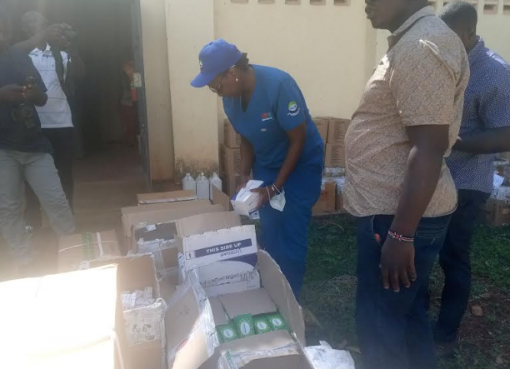
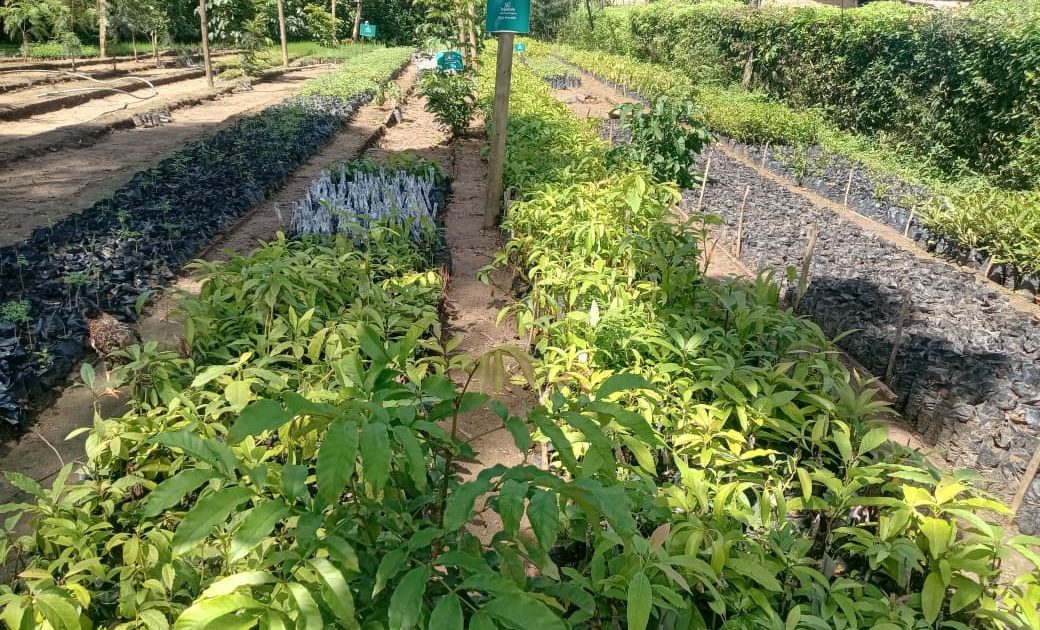
Speaking during the issuance of tree seedlings to farmers at the Ikonyero nursery in Kakamega County, Tupande Senior Communications Specialist Karigu Ekumbo said the seedlings will be distributed across the 34 counties where the organisation operates.
She noted that Tupande Kenya has already distributed 160 million tree seedlings this year through its 330 nurseries across the country, highlighting the scale of its contribution to the national reforestation agenda.
“Smallholder farmers are a critical constituency in the success of the national tree-planting campaign because they are the stewards of most of the country’s land,” she said.
Under the three-year partnership, Tupande Kenya has committed to large-scale seedling distribution, leveraging its 330 centres to ensure a sustainable supply of quality seedlings for farmers.
The seedlings include timber species, exotic varieties, and high-value fruit and nut trees such as avocado and macadamia, which are expected to provide both environmental and economic benefits to farmers.
Under the agreement, the Ministry of Environment, Climate Change and Forestry will also support Tupande Kenya’s transition from non-biodegradable nursery poly tubes to environmentally friendly biodegradable alternatives over the three-year period.
The two partners will also conduct joint annual awareness campaigns and technical training programmes to educate communities on sustainable planting practices, climate resilience, and the benefits of biodiversity conservation.
Karigu said Tupande Kenya has continued to support the national tree-planting drive by supplying free seedlings to registered farmers and creating employment opportunities within its nursery operations.
She revealed that more than 50 million seedlings have been distributed through schools, hospitals, churches, and direct farmer outreach programmes, including 5 million seedlings during the government’s national tree-planting day.
“The focus is to support farmers to plant trees within their farms to reverse deforestation and reduce greenhouse gas emissions. This mission aligns with the government’s vision of planting 15 billion trees by 2032,” she said.
Kakamega zone nursery supervisor Chrispinus Akinda said Tupande Kenya shifted from distributing seeds to registered farmers to operating nurseries after discovering that germination and survival rates were low when farmers handled seeds directly.
Akinda added that trees contribute significantly to soil health by increasing organic matter, which reduces the need for chemical fertilisers in agricultural production systems.
He noted that improved soil fertility through agroforestry practices enhances crop yields and supports sustainable farming in the long term.
By George Kaiga