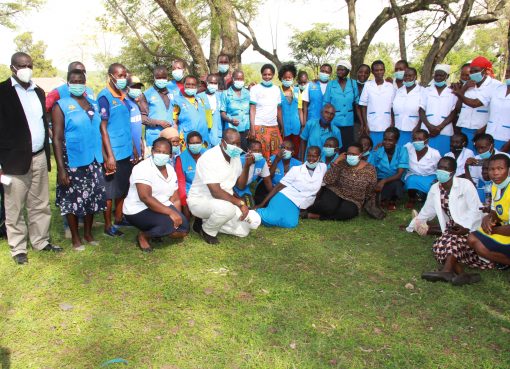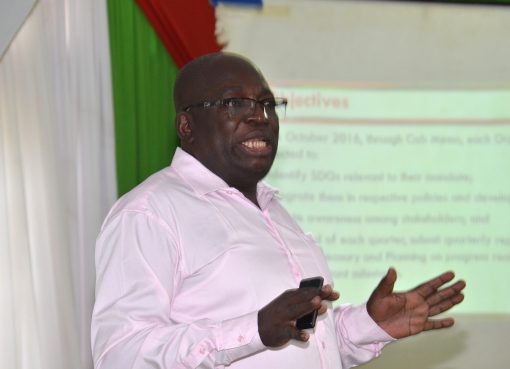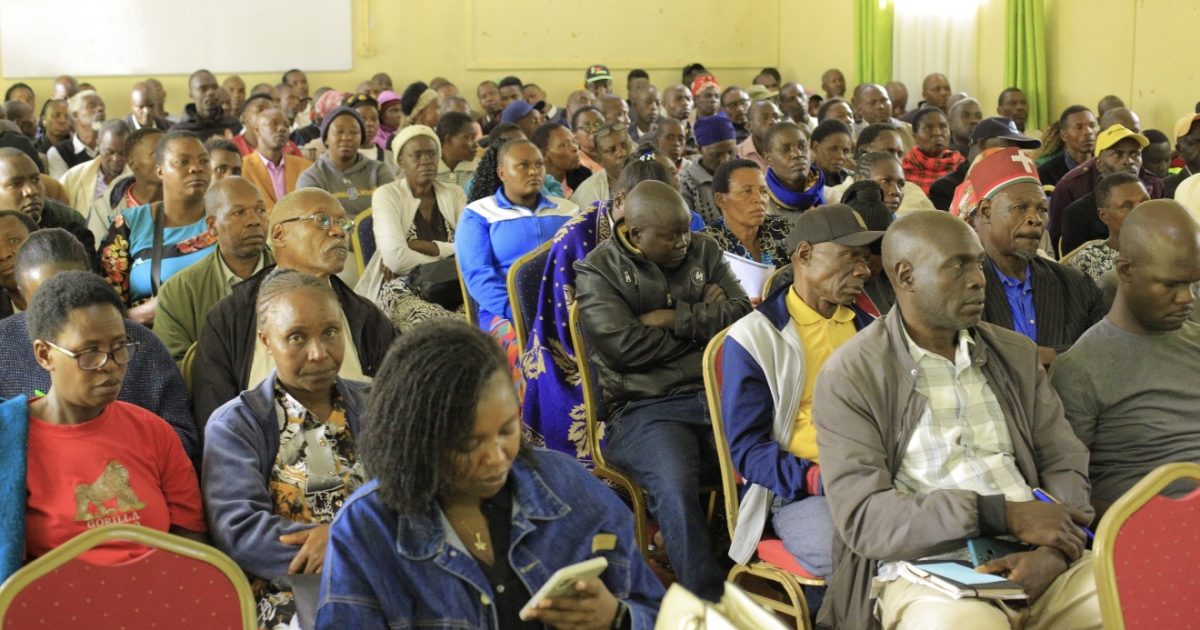
The State Department for Mining has conducted a public participation exercise in Kisii county on proposed bills, policies and regulations, aimed at attracting investment, enhancing safety and ensuring local communities benefit more from the mineral resources.
The instruments under review include the Draft Explosives Bill, 2026, the Minerals, Mining and Beneficiation Policy, the Mine Health, Safety and Environment Regulations and the Explosives (Licences and Fees) Regulations, 2026.
Speaking during the exercise at the Kisii Agricultural Training Centre on the outskirts of Kisii town, the Department’s Principal State Counsel Patricia Mabil said the Explosives Bill will repeal the existing Explosives Act, Cap 115 ,which has been in force for close to a century in order to address the realities of the current management of commercial explosives.
“The initial bill that we had was enacted in 1931 and it is time to review and update it to ensure it conforms with the changes that have occurred over the years,” Mabil noted.
She also pointed out the review of the Mining and Minerals Policy will promote value addition through setting up of mineral companies locally to ensure the minerals are processed into finished products within the country.
The Principal State Counsel noted the policy will support President William Ruto’s declaration that Kenya will no longer export raw minerals in order to increase returns from the country’s natural resources.
Mabil added the proposed Mine Health, Safety and Environment Regulations, 2026, will provide safer and more environmentally sustainable practices in the mining sector, particularly for individuals in Artisanal and Small-Scale Mining (ASM).
It is estimated that the ASM sector currently employs an estimated 14,000 people directly and supports the livelihoods of more than 800,000 Kenyans through mining-related economic activities.
However, the informal sector continues to face significant health, safety and environmental challenges, with frequent accidents among miners resulting in injuries and fatalities.
The National Land Commission Vice Chairperson and Mineral Rights Board Committee Member Dr. Julie Oseko who was in attendance said the reforms are aimed at positioning Kenya for investment opportunities in minerals.
“As the board, we are confident that the regulations and bills discussed here with the public will set the ground for improved services and investments in minerals,” noted Dr. Oseko.
Nyamira County Artisanal Mining Committee Chairperson Robin Achoki said the forum had provided an opportunity for the Mining Department to engage the residents on the proposed legal frameworks, thereby addressing regulatory gaps in the mining sector.
“Through devolution, as counties we are expected to play a key role in ensuring access to communal land for mining and licensing through participation in the County Artisanal Mining Committees,” added Achoki.
The reforms align with the national and continental goals including the Bottom-Up Economic Transformation Agenda (BETA), Kenya’s Vision 2030 and the African Union’s Agenda 2063.
Vision 2030 identifies the mining sector as a key driver in the economic growth of transforming Kenya into a newly industrializing, globally competitive, and prosperous upper-middle-income country.
The national long-term development blueprint notes the sector contributes about one percent to the gross domestic product (GDP) and has the potential to contribute up to 10 percent of the GDP by 2030.
by Mercy Osongo