Solar power is increasingly becoming the preferred source of energy for residents and small businesses in Kosele Trading Centre, Rachuonyo South Sub-county, as households embrace affordable and reliable clean energy solutions.
Many homes and small enterprises now depend on solar energy for lighting, charging mobile phones and powering small electrical appliances, reducing reliance on the national electricity grid and expensive alternative energy sources.
Solar systems work by converting sunlight into electrical energy through panels installed on rooftops or mounted on stands. The electricity is stored in rechargeable batteries, allowing users to power lights, radios, mobile phones and other small appliances even after sunset.
Jacob Ouma, a resident of Kosele, said solar energy has become both reliable and cost-effective for many households.
“I pay about Sh15 per day. As long as the solar panel is on the roof, I enjoy reliable lighting and I no longer worry about charging my phone because of power outages,” he said.
The growing popularity of solar energy in the area has been driven largely by Pay-As-You-Go (PAYG) financing models, which allow households to acquire solar systems through affordable daily or weekly mobile money payments before eventually owning them outright.
The financing model has enabled many low-income families to access electricity without the burden of large upfront installation costs.
Beyond meeting household energy needs, solar power is also improving business operations in Kosele Trading Centre, where the lack of adequate street lighting previously forced many traders to close their businesses early.
Mary, a local trader, said installing a solar lighting system has significantly increased her working hours and earnings.
“Before I got this light, I had to close my business by 7 p.m. because it became too dark and unsafe. With solar lighting, I now serve customers for longer and earn more income,” she said.
The expansion of the solar energy sector is also creating employment opportunities for young people.
Twenty-six-year-old Scholine Achieng’, a sales agent for a solar company operating in Kosele, said the growing demand for solar products has provided her with a reliable source of income.
“I earn commissions on every unit I sell. I demonstrate how the systems work, and many people are embracing solar because it is affordable and reliable,” she said.
While residents continue installing household solar systems, the Homa Bay County Government is investing in larger renewable energy projects through the Financing Locally-Led Climate Action (FLLoCA) programme.
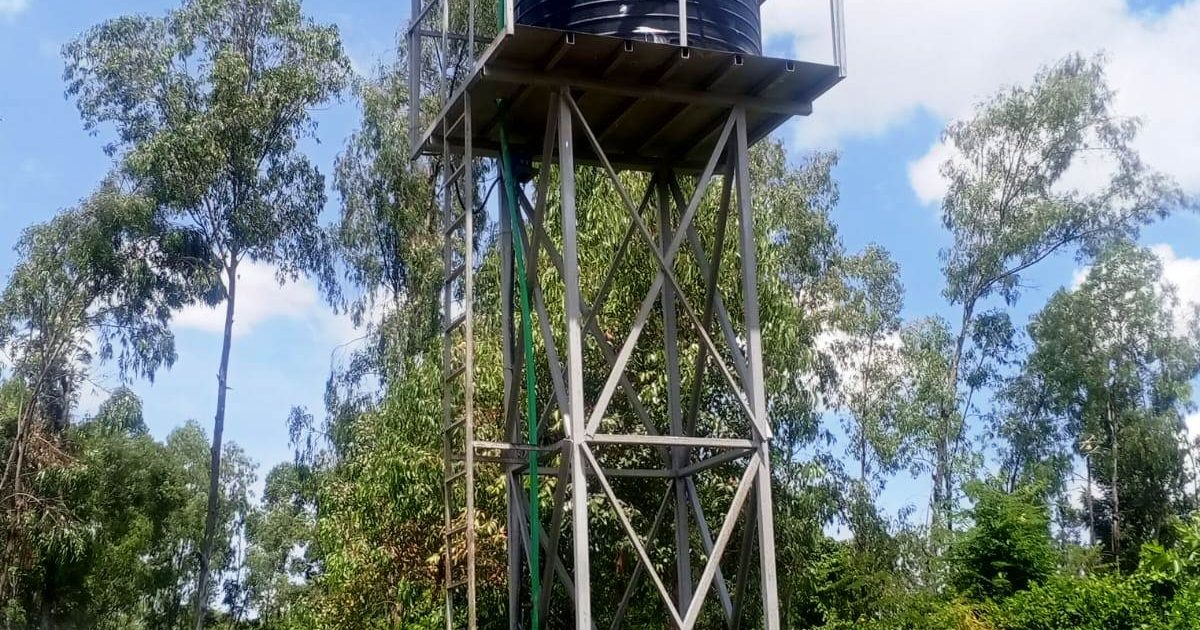
According to the Homa Bay County Climate Change Action Plan, the programme is supporting solar-powered public utilities, including the Ondiko Community Water Project, which operates entirely using solar-powered pumps.
The county is also investing in solar-powered market lighting and other public infrastructure to improve access to clean energy while enhancing climate resilience.
The combination of household solar adoption and county-led renewable energy projects is positioning Rachuonyo South as one of the areas embracing sustainable energy solutions.
As demand continues to grow, residents say solar energy is improving living standards, supporting businesses, creating green jobs and contributing to sustainable development across rural communities.
By Stephanie Awuor