In the remote communities of Marsabit County, a battle is being fought quietly but persistently; a battle to protect girls from female genital mutilation (FGM), a practice that has remained deeply rooted in some communities despite years of campaigns, legislation and public awareness.
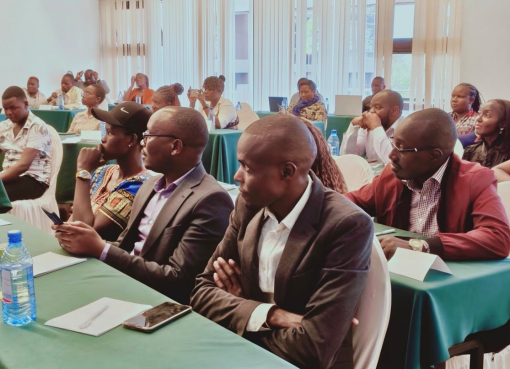
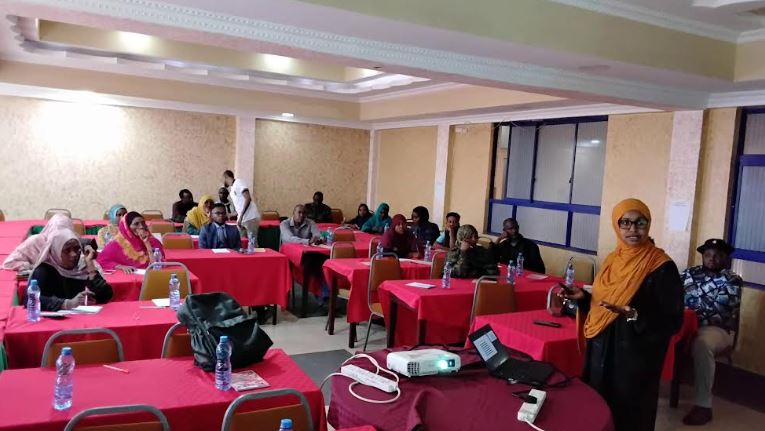
Speaking during a stakeholders’ coordination meeting organized by the Kenya National Commission on Human Rights (KNCHR), officials and community actors called for renewed efforts to combat FGM and strengthen the capacity of duty bearers to prevent and respond to cases.
The meeting, held in Marsabit town, brought together key stakeholders to take stock of progress made in the fight against FGM, identify challenges and gaps, and strengthen prevention and response mechanisms. Participants also discussed the reporting, investigation, arrest, and prosecution of FGM cases, as well as ways to improve coordination and referral pathways among duty bearers and stakeholders.
Stakeholders working to end FGM say the practice remains a major concern in the county, where its prevalence is reported at 83 percent.
Behind the statistics are girls and young women whose lives can be profoundly affected by a practice associated with serious health, social and psychological consequences.
For organizations and community activists fighting FGM, the challenge goes beyond changing attitude that have been passed from one generation to another.
Ibrahim Kassim, a Regional Service Officer with the Kenya National Commission on Human Right in the North Eastern region, said the high prevalence of FGM in Marsabit makes community mobilization and awareness efforts more urgent.
He said stakeholders must work closely with communities to challenge practices that violate the rights of girls and expose them to harm.
The campaign requires more than occasional meetings, Community leaders, parents, elders, teachers and young people must all be involved in conversations about the consequences of FGM and the need to protect girls.
Kassim called on community leaders to use gatherings and traditional initiation ceremonies as opportunities to encourage communities to abandon harmful practices and embrace traditions that do not endanger children.
For Lawyer Abdikadir Adan, a Senior Regional Services officer with the Kenya National Commission on Human Right in the North Eastern region in Wajir County, there is no ambiguity about Kenya’s position on FGM.
Adan said the practice is prohibited under Kenyan law, and urged those who continue to promote or facilitate it to stop.
He described FGM as an outdated cultural practices that has no place in today’s society, stressing that culture cannot be used as a justification for violating the rights of the girl child.
He called on parents, community leaders and young people to work together to ensure that girls are protected and that the law is respected.
Nuria Gollo, a Head of State Commendation (H.S.E) award winner, activist, teacher and campaigner against FGM in Marsabit, said some parents continue to subjects their daughters to FGM secretly.
The secrecy makes it difficult to identify victims, report cases and bring perpetrators to justice, she added.
Gollo said many children who undergo FGM are afraid to speak about what happened to them stressing that fear, stigma and pressure from families and communities can leave girls with little opportunity to seek help. She said mothers, elders, young people and schoolchildren must all be included in the campaign.
She said at the community level, discussions involving elders and parents can help challenge long-held beliefs and demonstrate that protecting children does not mean abandoning culture.
The importance of evidence and proper investigations was also highlighted during the meeting with Marsabit Central Sub County Children’s Officer Leackey Mukanzi saying one alleged case of FGM was recently taken to court but was dismissed for lack of evidence.
He said the case highlighted another challenge in the fight against FGM; ensuring that allegations are properly investigated and that survivors receive appropriate protection and support throughout the justice process.
For activists, however, every report must be taken seriously, while ensuring that investigations are fair, professional and guided by evidence.
As the campaign enters a new phase, stakeholders are increasingly looking to young people to become champions of change.
Young people can influence their peers, challenge harmful traditions and help spread accurate information about the dangers and consequences of FGM.
They are being encouraged to work with parents. Elders, community leaders, teachers and organizations to create communities where girls can grow up without fear of being subjected to FGM.
The message from stakeholders is clear: ending FGM cannot be left to government agencies and activists alone.
The fight against FGM in Marsabit is ultimately a fight for the future of girls. Ending FGM practice will require sustained community engagement, enforcement of the law, education, support of survivors and, most importantly, a willingness to question traditions that cause harm.
The battle may be difficult, but stakeholders say the goal remains unchanged: a Marsabit where no girl has to undergo FGM to be accepted by her community
By Anthony Melly