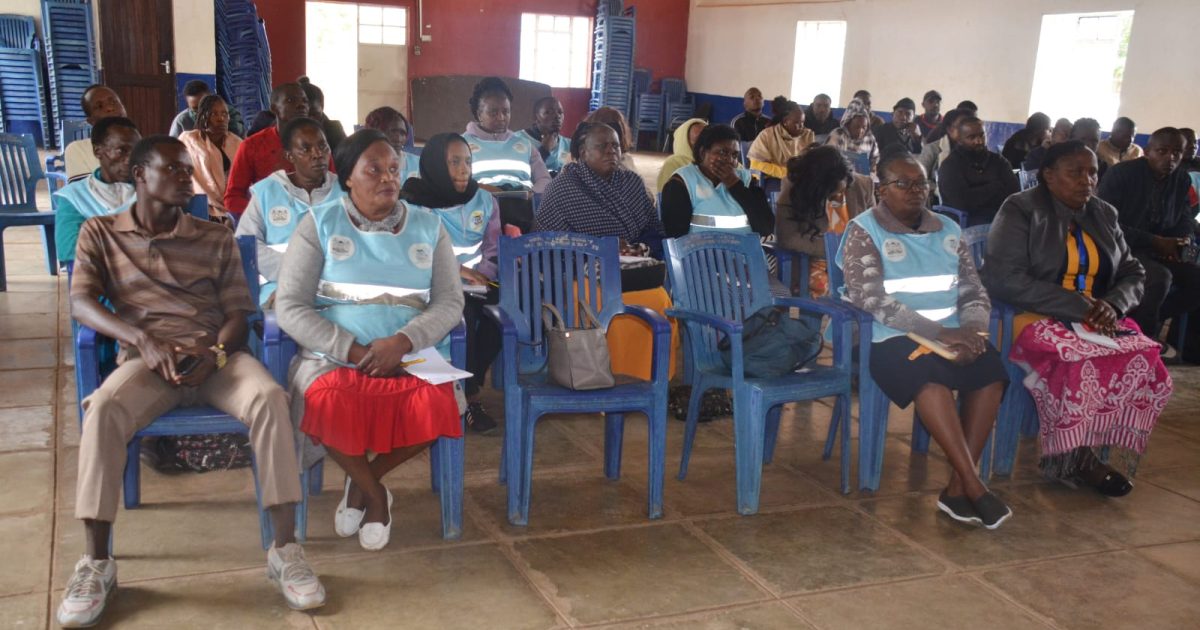
The fight against tobacco and drug abuse is increasingly becoming a shared responsibility as the State Department for Health, through consultant Felicity Global Holdings, convened a stakeholder engagement forum in Machakos to strengthen demand reduction strategies.
According to Albert Oluoch, a representative from the Ministry of Health who led a delegation of stakeholders from the National Police Service, the Judiciary, community health promoters and youth representatives, the meeting focused on developing coordinated strategies to reduce tobacco and drug demand.
Oluoch emphasized that effective interventions must begin with understanding why people use tobacco and related substances in order to design targeted and sustainable solutions.
He noted that identifying vulnerable groups and developing tailored awareness campaigns is critical in addressing addiction and its effects.
“We must first understand the demand for these products before we can successfully reduce their use, and every stakeholder has a role to play in implementing this,” he said.
Oluoch further observed that tobacco and nicotine products often act as a gateway to broader substance abuse due to their accessibility, affordability and the perception that they are less harmful than other drugs.
He also pointed to peer influence among young people as a major factor contributing to experimentation with substances, warning that this trend has led to serious health complications and underscores the need for sustained public education and preventive interventions.
Community Health Promoter Rose Musuki from Machakos Town highlighted the importance of community-based interventions, noting that Machakos County currently has 29 active community health units engaged in educating residents and promoting healthier lifestyles.
The meeting also featured a presentation by Public Health Consultant Dr. Victor Kibe, who stressed the importance of collaboration among stakeholders in achieving meaningful progress in tobacco and drug demand reduction.
Participants identified several social drivers of substance use, including curiosity, exposure to smoking at home and in schools, misinformation, unemployment, stress and increasing peer pressure among the youth.
They also expressed concern over widespread ignorance regarding tobacco and nicotine products, noting that many retailers, parents and young people underestimate the associated health risks, thereby contributing to rising consumption levels.
Machakos resident and community leader James Mutuku from Katheka Kai raised concerns over weak enforcement of existing regulations and corruption, which he said have contributed to the continued availability of tobacco products despite existing laws.
Mutuku and other participants further observed that lenient sentencing for repeat offenders has weakened deterrence efforts, calling for stricter enforcement to strengthen tobacco control measures.
Government officials indicated that legislative measures aimed at curbing tobacco and drug abuse are currently before the courts and awaiting implementation. They expressed optimism that once enacted, the measures will significantly strengthen the national response to substance abuse challenges.
By Anne Kangero and Celine Mutheu