Tana River County Government has approved a comprehensive refresher training programme for all County Enforcement Officers to enhance professionalism, discipline, and service delivery.
The officers, who are responsible for enforcing county by-laws, protecting public property, and maintaining public order, will undergo intensive capacity building to strengthen their effectiveness in serving residents.
County inspectorate officers are the primary law enforcement and compliance personnel for the 47 county governments.
Their responsibilities include enforcing local regulations, collecting county revenue, maintaining public order, and inspecting businesses to ensure compliance with trade licenses, public health standards, and physical planning laws
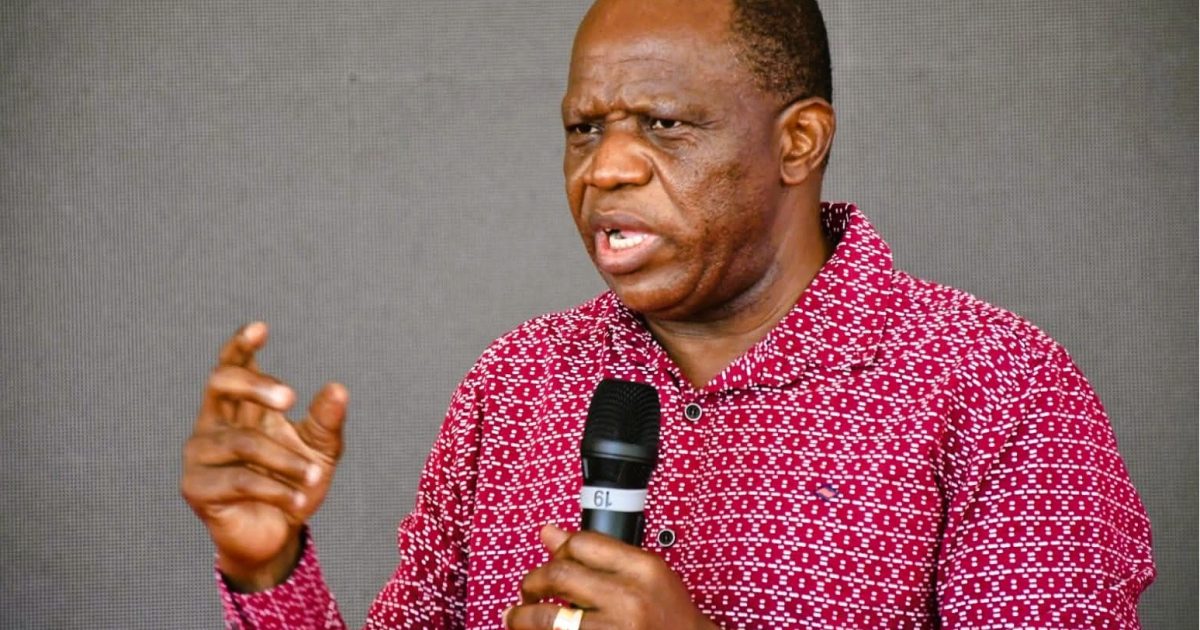
Area Governor Maj (Rtd) Dhadho Godhana says as part of the decision, no new enforcement officers will be recruited in the 2026/2027 financial year.
He said in the 2024/2025 financial year 90 new enforcement officers joined the ranks after rigorous training at the Mombasa County Inspectorate College.
Godhana said instead, the devolved government will focus on equipping and empowering the existing workforce to deliver better services.
Godhana said he was not satisfied with the current level of professionalism within the enforcement department, noting that several shortcomings had made further ‘drilling’ necessary.
Drawing from his military background, having served in the Kenya Defence Forces up to the rank of Major, the Governor emphasized the importance of discipline, continuous training, and operational excellence in public service.
The county boss acknowledged the critical role the enforcement officers play in enforcing county laws and safeguarding public order.
He said enforcement officers are expected to uphold the highest standards of discipline, accountability and service as they discharge their responsibilities.
Godhana warned the county inspectorate officers against laxity, corruption, and the harassment of informal traders.
By Hussein Abdullahi