Kilifi and Chonyi Sub-Counties have recorded a significant decline in teenage pregnancies, following a three-year community health intervention project targeting adolescents and their families.
According to data released by county health officials, teenage pregnancy rates dropped from 21 per cent to about 15 per cent over the implementation period.
The figures also indicate fluctuations, with the rate falling to nearly 12.5 per cent at one point before stabilising at around 14 per cent.
The Sexual and Reproductive Health and Rights (SRHR) project was implemented between 2022 and 2025 through a partnership between the Community Health Promotion Fund (CHPF), Germany’s Federal Ministry for Economic Cooperation and Development (BMZ), and local stakeholders in Kilifi South and Chonyi Sub-Counties.
It focused on improving access to sexual and reproductive health information while strengthening communication between parents and young people. Its objectives included reducing teenage pregnancies and improving access to family planning services.
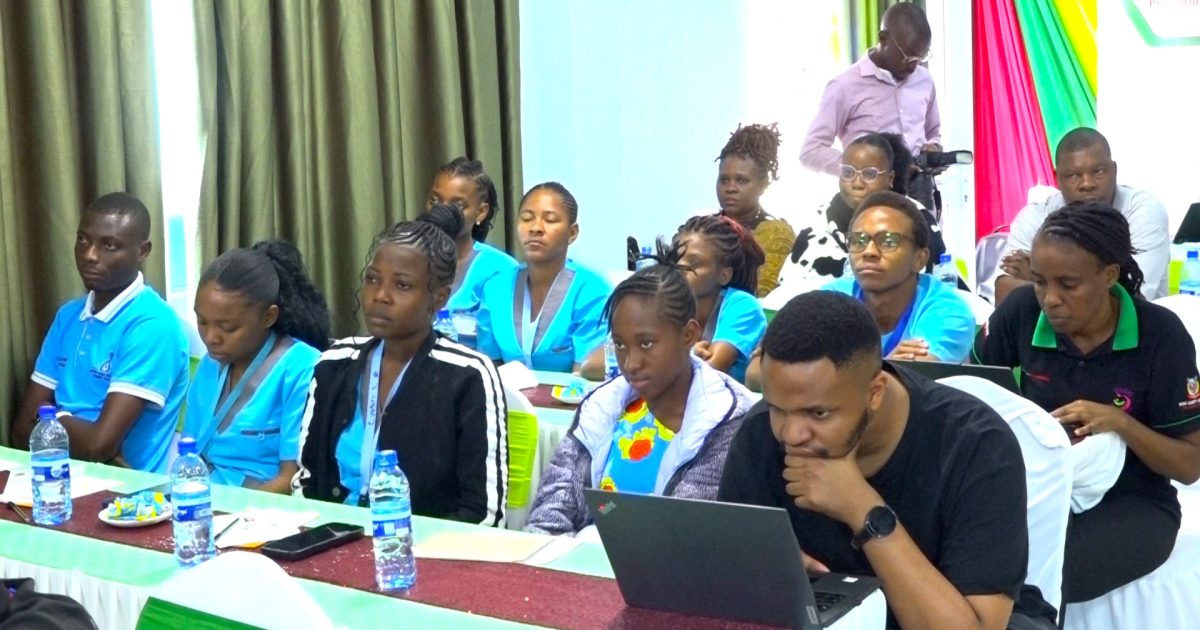
Speaking during a stakeholder forum marking the conclusion of the initiative at Mtwapa Township, Kikambala Division Assistant County Commissioner Minika Hamisi said the programme has brought notable changes within the community.
She noted that before the project’s rollout three years ago, Kilifi South recorded high levels of teenage pregnancies. However, since the pilot programme began, the numbers have steadily declined.
Hamisi attributed the progress to increased awareness among adolescents on sexual and reproductive health, including the importance of abstinence and making informed choices. She added that improved awareness has also contributed to a reduction in school dropout rates among girls.
“When a young girl becomes pregnant, it disrupts her education. Today, we are seeing positive change, girls are staying in school and are more open to discussing issues such as menstruation with their parents,” she said.
She urged local administrators, including chiefs, assistant chiefs and village elders who participated in the programme, to sustain the momentum by continuing community dialogues on reproductive health.
CHPF Trustee Reuben Waswa echoed her sentiments, noting that the project has not only reduced teenage pregnancy rates but also empowered young people to express themselves and address challenges related to sexual health.
“Parents are now better equipped to guide their children without fear or cultural barriers that previously hindered such discussions,” he said.
Waswa added that although the three-year project has officially ended, its activities will continue under CHPF programmes to ensure sustained impact across the county.
Kilifi County Reproductive and Adolescent Health Coordinator, Kenneth Miriti, said the initiative has been instrumental in strengthening the county’s efforts to address adolescent health challenges.
He highlighted Chonyi Division as one of the areas that recorded remarkable improvement, with teenage pregnancy rates dropping from 19.9 per cent to 12.5 per cent following the intervention.
“The support from CHPF has been critical in reducing cases, especially in high-burden areas,” Miriti said.
CHPF Programme Manager Adah Alela said the organisation’s approach combines community research with targeted interventions to address pressing health challenges.
“Teenage pregnancy has been a major concern in Kilifi since 2022. Through this project, we have made significant progress, thanks to strong partnerships with government administrators, development partners and the community,” she said.
Alela emphasised the need to sustain the gains and expand the programme to other parts of the county, noting that addressing teenage pregnancy requires continuous, collaborative efforts.
By Sadik Hassan