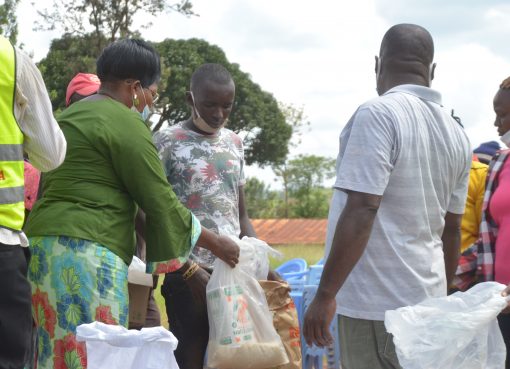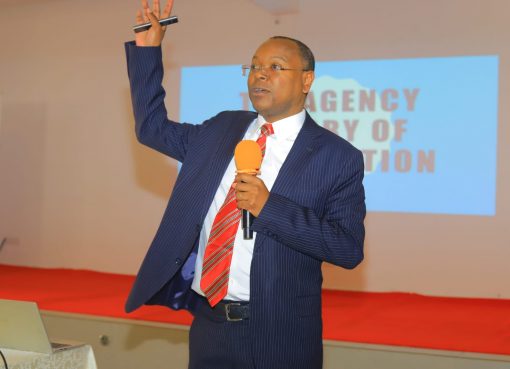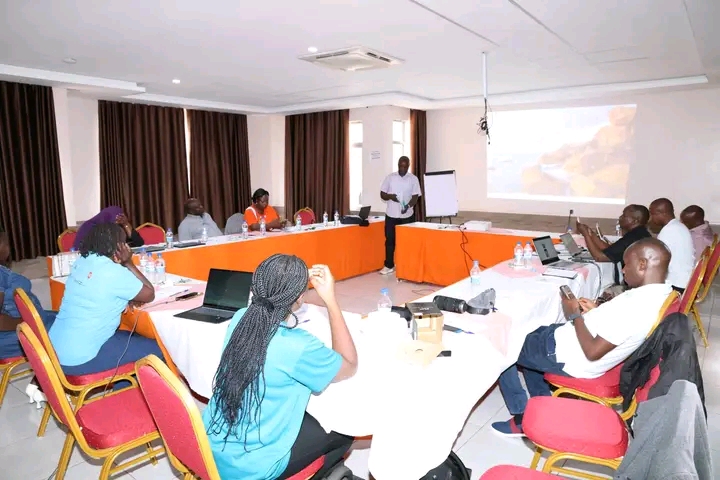
The County Government of Trans Nzoia has under the Kenya Devolution Support Programme II (KDSPII) trained its Grievance Redress Mechanism (GRM) committee to assist in fast trucking development in the region.
The two-day workshop, funded by the World Bank and the County Government through the State Department of Devolution, equipped officials with skills to handle public complaints during project implementation.
Opening the session, the KDSPII KRA2 Focal Person, Pheobi Buchunju, said the training was timely as the county awaits funding for key projects.
The projects to be implemented include upgrading Milimani Estate Road to bitumen standard, renovating the Kitale Museum, and improving services at Tulwet Health Centre.
“This mechanism is key when implementing projects. While the World Bank and the County are working on development, residents’ lives and daily activities should not be disrupted,” Buchunju said.
She said the GRM provides an avenue for individuals and communities to lodge complaints if projects negatively affect them, their environment, or their community.
Jonathan Bului of the National Coordination and Project Implementation Unit (NCPIU), State Department for Devolution, applauded the county for establishing the committee.
He took participants through social risk management, the legal framework for grievances, and constitutional provisions on citizen complaints.
“The main objective of this training is to help participants understand the legal basis for grievance redress. Social risk management is not a one-time effort but a continuous journey throughout the project lifecycle,” Bului said.
Meanwhile, he cited gaps in social risk management as a barrier to effective grievance handling and called for a multi-sectoral approach.
County GRM Focal Person Enock Nyaroo presenting the draft framework hailed KDSPII for the support which enabled the county to establish the committee, adding that it would boost complaint resolution.
“With this framework, we can now handle grievances more effectively. It will help us resolve issues amicably and ensure projects move forward smoothly,” Nyaroo said.
Participants said grievance handling in many counties was fragmented, with departments managing complaints separately, as they called for a single county-wide GRM system to serve as a one-stop shop.
County officials said acknowledging challenges was the first step to strengthening grievance redress and ensuring projects benefit communities without causing harm.
By Isaiah Nayika