The Turkana County Government, in collaboration with the National Drought Management Authority (NDMA), has concluded a three-day County El Niño Contingency Planning meeting, aimed at strengthening preparedness, coordination, and response mechanisms, ahead of the forecast El Niño rains during the October–December 2026 season.
The contingency planning process seeks to ensure that the county government has appropriate interventions and coordination mechanisms in place to mitigate the potential impacts of the forecasted rains before, during, and after the season, while strengthening the county’s capacity to respond effectively to El Niño-related emergencies.
The planning comes against the backdrop of Turkana being listed among the counties identified as potentially vulnerable to the effects of the anticipated rains.
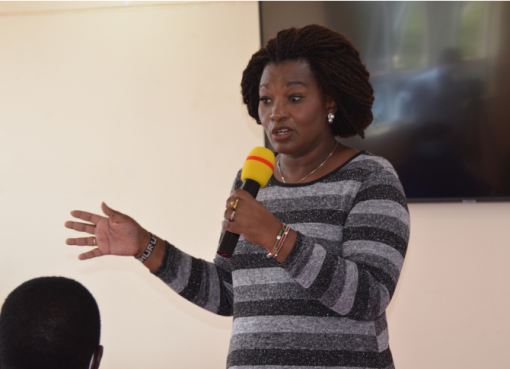
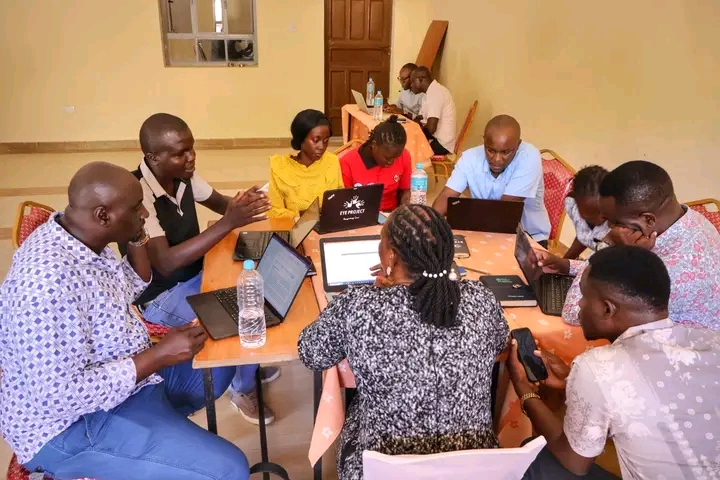
The multi-sectoral meeting brought together the County Steering Group (CSG) to review potential risks, identify priority interventions, and strengthen coordination across sectors for early action.
Speaking during the meeting, County Drought Coordinator at NDMA, Lordman Lekalkuli emphasised the importance of strengthening donor coordination and aligning development partners’ interventions with government-led response mechanisms.
“There was a need to establish a clear framework that would allow development partners to participate in post-disaster rapid needs assessments alongside government agencies, ensuring that information and data generated during assessments are aligned and support coordinated decision-making,” he added.
He further called on civil society organisations and non-governmental organisations to align community groups and field-level interventions with the established central coordination structure to promote effective delivery of coordinated assistance during emergencies.
On his part, NDMA Assistant Director, Drought Response, Isako Mamo, said Turkana needs an operational document to guide resource mobilization and interventions to mitigate the potential effects of El Niño during the OND season.
He called for the fast-tracking of the contingency plan to facilitate its dissemination to relevant stakeholders for timely support and response.
Deputy Director of Disaster Risk Management Moses Nawoton said the contingency planning process is key to ensuring that the county is adequately prepared to anticipate, prevent, and respond to the potential impacts of the expected El Niño rains.
“Our focus is to strengthen coordination across sectors and ensure that interventions are put in place early enough to protect communities and minimise the effects of emergencies. This is especially in areas prone to flooding,” he added.
The next steps include forwarding the consolidated plan and budgets to the CSG for validation and approval, then to the Governor, who will present it to the Executive Cabinet before it is subjected to a supplementary budget for accommodation and implementation with support from development partners, pending the formation and sitting of a centralized committee.
There will be close monitoring and evaluation before, during, and after the impending El Niño to track changes, review progress, and coordinate plans.
This contingency plan is a resource mobilization document, and the county government is calling on national government and development partners to support existing gaps, co-plan, co-fund and co-implement.
The sectors represented included Livestock; Agriculture and Irrigation; Water; Education; Health; Peace and Security; Social Protection and Social Services; Lands and Municipality; Climate Change and Environment; Communication; Roads, Public Works and Mining; Fisheries; Children Services; and Coordination, among many others.
The strategic planning workshop was supported by @Catholic Relief Services (CRS), SND-AHN, Tupado Kenya, Save the Children Kenya, ADRA International. Other partner’s participated include, Welthungerhilfe, SAPCONE, World Food Programme, International Rescue Committee, World Vision Kenya, PAIR Kenya, AIC Health Ministries, UNICEF Kenya, IPDR and the Diocese of Lodwar, Kenya Red Cross Society among others.
By Peter Gitonga