Government development projects in Vihiga County are recording steady progress despite challenges including inadequate power and water supply, pending bills, and heavy rainfall, according to a County Implementation Coordination Management Committee report.
The committee, chaired by Vihiga County Commissioner Jeremiah Gicheru, reviewed the progress of 15 government development projects across the county during a meeting and identified interventions needed to address challenges slowing their implementation.
The meeting brought together government officers under the National Government Development-County Implementation Coordination Management Committee and was followed by site visits to selected projects to assess their progress and challenges on the ground.
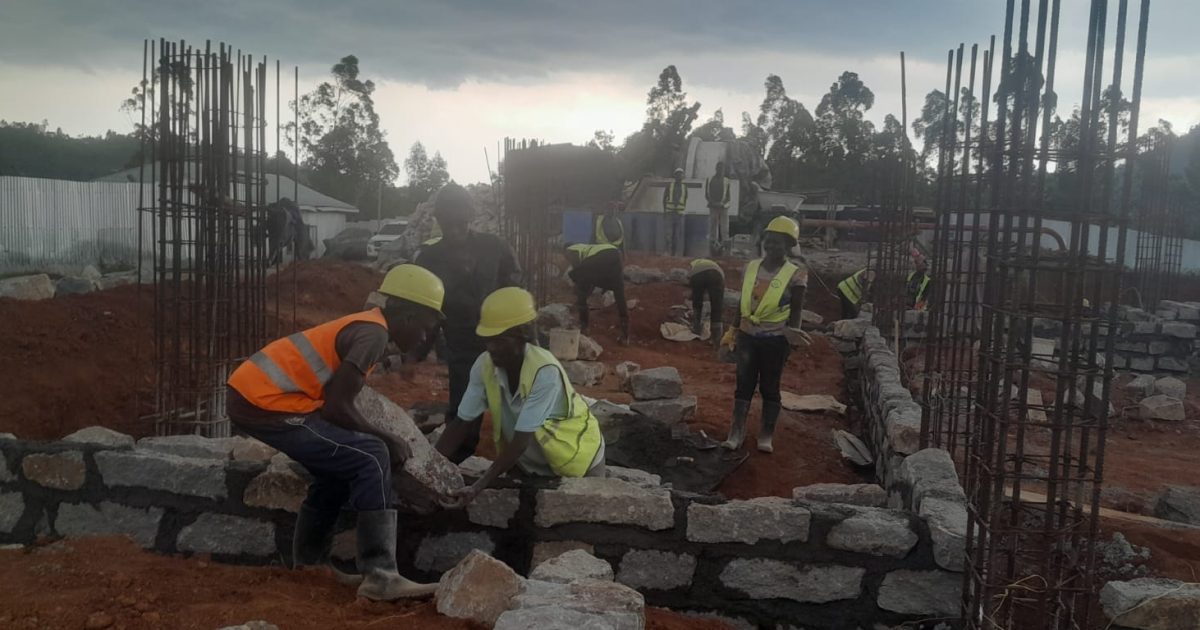
Among the projects inspected was the ongoing Kidundu Stadium, where construction works were found to be progressing well.
The stadium, which sits on 20 acres, is 19 per cent complete and is expected to be completed by June 2027. Construction commenced on June 1, 2026.
Phase One of the project comprises a football pitch and athletics facilities, while Phase Two will include additional facilities such as a swimming pool and other amenities.
Officials said inadequate water and electricity supply were among the challenges affecting the project, although there were no major challenges involving the surrounding community.
The team also visited the Kenya School of Government (KSG) campus at Boyani, where construction is 25 per cent complete.
Works are ongoing on the administration block, auditorium, cafeteria, hostel block, and staff quarters, with the committee commending the progress achieved so far.
However, heavy rainfall experienced in the mornings and afternoons has slowed construction works, with the contractor experiencing delays because of adverse weather conditions.
During the progress briefing, County Director of Housing Teresia Ooko presented the status of 15 national government development projects being implemented across the county.
Ooko said the 220 housing units under the Affordable Housing Programme (AHP) are nearing completion, having reached 98.5 per cent.
Other projects, she added, include Esibuye Market, which is 47 per cent complete; Esirulo Market at 75 per cent; Lwanda Modern Market at 45 per cent; Vihiga KMTC hostel, which has a capacity of 580 beds, at 12.49 per cent; Mbale Modern Market at 30 per cent; Majengo Market at 42 per cent; and Banja Market at 40 per cent.
Additionally, the Ebunangwe TVC hostel is 32.4 per cent complete, while works at Gambogi Market are ongoing. Cheptulu Market stands at 15 per cent, Sabatia TVC hostel at two per cent and Serem Market at 4.5 per cent.
Chavakali Market, however, is yet to pick up, Ooko said.
The committee was also briefed on projects under the National Equipment Support Programme (NESP) by
County Biomedical Engineer Elizabeth Kamusa, who said ultrasound machines had been delivered to Emuhaya and Sabatia Sub-County hospitals and were fully operational, improving access to timely diagnostic services.
She said the facilities were, however, facing challenges related to power supply. At Emuhaya Sub-County Hospital, the vendor-hospital agreement also needs to be resolved to facilitate smooth operations.
The committee further reviewed the construction of the County Aggregation and Industrial Park, a joint project funded by the National and Vihiga County governments.
The project is 25 per cent complete and has a contract sum of Sh496,028,151. A total of Sh68,165,122 has been certified to date.
Electricity connection remains one of the challenges affecting the project, although the official representative said the matter was being addressed in collaboration with Kenya Power.
The County Commissioner led the committee during the site visits, which were intended to establish whether projects were progressing according to their approved timelines and to identify challenges requiring intervention by relevant government agencies.
Officials said close coordination among government agencies was necessary to resolve bottlenecks affecting implementation and ensure contractors and other stakeholders deliver projects within the stipulated timelines.
By Rose Wasike